+1 617 404 2125
Bronzeville




Search



| 📌 Address | Bronzeville, Chicago, IL, USA |
| ⏰ Opening Hours | 24 hours |
| 💸 Entrance Fee | Free |

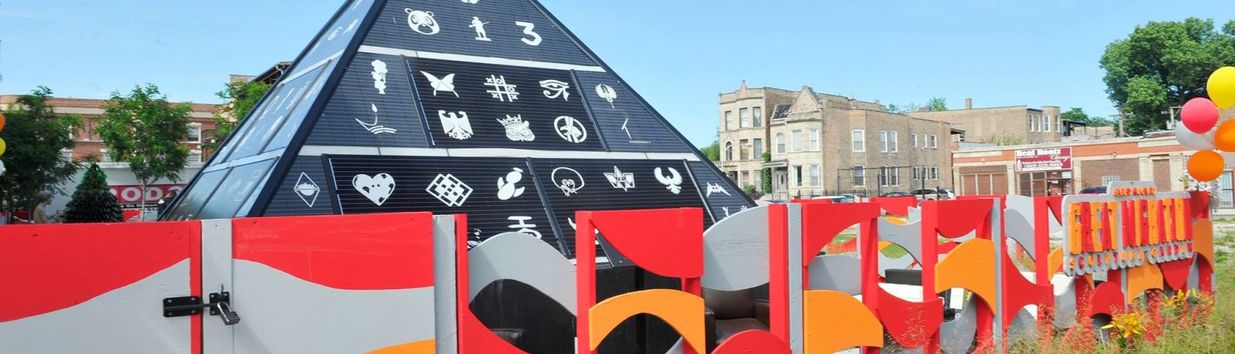
Bronzeville is not just an attraction; it's a vibrant neighborhood on the South Side of Chicago steeped in rich African American history and culture. Often referred to as the "Black Metropolis," this area was the intellectual and cultural hub of Chicago's African American community during the early 20th century. It's a place layered with tales of jazz legends, civil rights activists, and a great migration story that is as much a part of the fabric of Chicago as the winds off Lake Michigan.
Discover the best of Chicago on our Private Walking Tour! Explore top spots like Cloud Gate (The Bean), Navy Pier, Chicago Cultural Center, and Riverwalk with y...
Bronzeville's history is a profound tale of Renaissance and revival. In the early 1900s, during the Great Migration, many African Americans moved from the Southern United States to the North in search of better economic opportunities and to escape racial discrimination. They settled in this particular part of Chicago, carving out a space that became known for its thriving business, arts, and music scenes.
Historically, Bronzeville was the heart of the Chicago's jazz scene, with venues like the Sunset Café and the Dreamland Café showcasing legends such as Louis Armstrong and Cab Calloway. During its heyday, the neighborhood was home to many notable residents, including the famous poet Gwendolyn Brooks, civil rights activist Ida B. Wells, and boxer Jack Johnson. The period's passionate energy for cultural, political, and social advancement coined Bronzeville as a nexus for African American culture, akin to the Harlem Renaissance of New York City.
Unfortunately, the mid-20th-century saw a decline in Bronzeville's prominence due to economic challenges, but recent revitalization efforts have aimed to restore and honor the neighborhood's historic significance. New housing developments, historic preservation, and cultural initiatives are breathing new life into Bronzeville, making it an important place to visit for those looking to understand the pulse of Chicago's African American community.
Bronzeville is significant for manifold reasons. It represents the resilience and creativity of the African American community in Chicago, showcasing their ability to forge a rich cultural identity despite facing numerous adversities. The neighborhood serves as a living museum of African American history, offering visitors a tangible link to the past through historic sites, monuments, and collections of oral histories shared by its residents.
As a testament to social change, Bronzeville is a place where you can walk the same streets where influential leaders once mobilized for civil rights and where jazz musicians set the nights ablaze with soulful tunes. Its importance also stems from being a prime example of urban renewal and community-driven efforts to reclaim and celebrate its historic legacy.
The neighborhood plays a crucial role in the tapestry of Chicago's rich history, embodying the strength of a community that could create a cultural haven in the midst of discrimination and segregation. It's where the past meets the present, a blend of historical importance with a vision for a future that honors its deep roots and contributions to American culture.


When you're in Bronzeville, you're amidst historical landmarks and cultural heavyweight sites. You might start off by visiting the Bronzeville Visitor Information Center to collect informative resources and find out about the latest exhibits and events. Don't miss the opportunity to take a walking or bike tour, which can offer you intimate insights into the neighborhood's historical and cultural landmarks.
History buffs will appreciate landmarks such as the Chicago Defender building, once home to the legendary African American newspaper that played a crucial role in the Great Migration and civil rights movement. Literary enthusiasts may wish to trace the steps of Gwendolyn Brooks, the first African American to win a Pulitzer Prize, and explore other sites important to the Chicago Literary Hall of Fame.
Finally, no visit to Bronzeville is complete without savoring the local cuisine, which can range from soul food to contemporary African American fusion. Dining in Bronzeville is not just about eating; it's about experiencing a slice of the neighborhood's storied history and culture, one plate at a time.
| 📌 Address | Bronzeville, Chicago, IL, USA |
| ⏰ Opening Hours | 24 hours |
| 💸 Entrance Fee | Free |
Bronzeville is known for its significant role in the Great Migration, where thousands of African Americans moved from the South to Chicago. It's historically a cultural and economic hub of African American life in the city, with notable jazz clubs, historical landmarks, and cultural institutions.
Some must-visit places in Bronzeville include the Bronzeville Children's Museum, the Monument to the Great Northern Migration, the Black Metropolis National Heritage Area, and the historic Parkway Ballroom.
Yes, Bronzeville hosts several events and festivals throughout the year including the Bronzeville Summer Nights festival, which celebrates local businesses and artists, and the annual Bud Billiken Parade, which is one of the largest African American parades in the United States.
To learn about the history of Bronzeville, you can visit the DuSable Museum of African American History, take a guided walking tour of the neighborhood, and explore the Bronzeville Historical Society.
Bronzeville offers a variety of dining options with soul food, barbecue, and seafood restaurants being popular among them. Places like Pearl's Place, Chicago's Home of Chicken & Waffles, and Miss Lee's Good Food are local favorites.