


 +1 617 404 2125


10 Instagrammable Spots in Ho Chi Minh City


BY Jess Leak
8 days ago


Ho Chi Minh City, also known as Saigon, combines historic landmarks, lively markets, colorful architecture and a modern skyline. For a guided introduction, explore our Ho Chi Minh City Instagram tour, then use this guide to plan a photo route that fits your interests and schedule.
To find quieter street scenes between major landmarks, read our Ho Chi Minh City hidden alleys guide, then explore these ten photogenic spots for practical framing, timing and etiquette tips.
Our Best Selling Tour
- All-Inclusive
- Ho Chi Minh City Instagram Tour: The Hidden Gems(54 Reviews)
If you find yourself in Ho Chi Minh City then you must join us on a Ho Chi Minh City Instagram Tour: The Hidden Gems. This popular, all-inclusive Ho Chi Minh Ci...
US$109/pp Learn more

1. Nguyen Hue Café Apartment
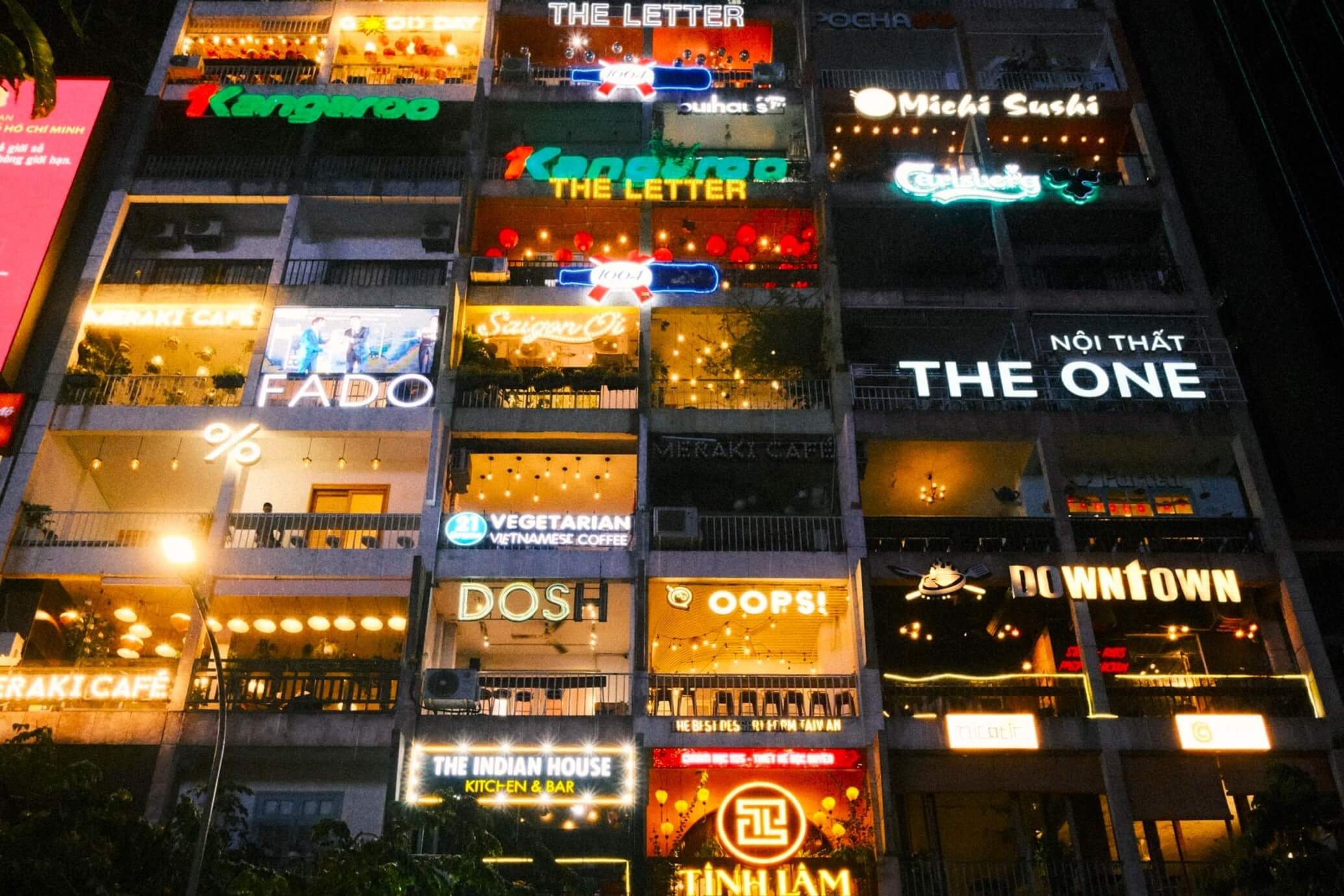
At 42 Nguyễn Huệ, the Café Apartment gives you two complementary photo subjects: its tall, weathered façade facing the pedestrian boulevard and the café-lined balconies inside. From the street, frame the building with the broad promenade to show its contrast with the polished downtown towers. Inside, the repeating balconies and shop signs create strong lines; take care not to block the stairs or other visitors. The building is a mixed-use property with homes and businesses, so treat it as a place people live and work, not a public photo studio.
The building is known for its mix of cafés, small shops and creative businesses, although tenants and opening hours change. Think of the visit as a chance to explore a distinctive old apartment block that has taken on a new commercial life, rather than a curated attraction with a fixed set of exhibits. If you want a view over Nguyễn Huệ Walking Street, choose a café that welcomes visitors and order something before photographing from its customer area.
For the cleanest exterior composition, try the open space across the boulevard and include the full façade; a slightly wider lens helps show the stacked balconies. Inside, look for repeating railings, weathered textures and glimpses toward the street. Visit in daylight for architectural detail or after sunset for illuminated shop fronts, but check which cafés are open and ask before photographing inside. Keep stairways clear, avoid photographing residents without consent, and follow any building or business rules. For a quieter walk through the city’s older lanes, see our Ho Chi Minh City hidden alleys guide.
2. Ben Thanh Market

If you want to capture the bustling lifestyle of Saigon in just one photo, do it in Ben Thanh Market. Although the market has become more touristy over the years, it’s still worth a visit as you can get some iconic photos here.
Ben Thanh Market is one of the city’s most recognizable landmarks, and its central pavilion gives photographers a clear architectural subject amid the movement of downtown Saigon. For a strong exterior frame, step back far enough to include the clock and roofline, then wait for a pause in traffic and pedestrians rather than standing in the roadway. A level horizon and a straight-on composition emphasize the symmetry; a closer crop can focus on the clock and entrance details. Inside, the market’s aisles offer color, signs, produce and everyday activity, but conditions are busy and vendors are working. Ask before photographing a person or stall, keep walkways open, and consider buying from vendors you photograph.
The south-facing entrance and its clock are the classic market portrait, while the surrounding streets provide broader views that place the building in the city. Morning light can make the façade easier to photograph, but the market and nearby roads can still be active; allow time to find a safe place to stand. If you are visiting for shopping as well as photos, browse the indoor aisles and nearby food stalls, compare prices politely, and carry small cash for purchases. Check current opening arrangements locally before planning around a specific hour. For more background and visitor context, see our guide to Ben Thanh Market.
3. Tan Dinh Church
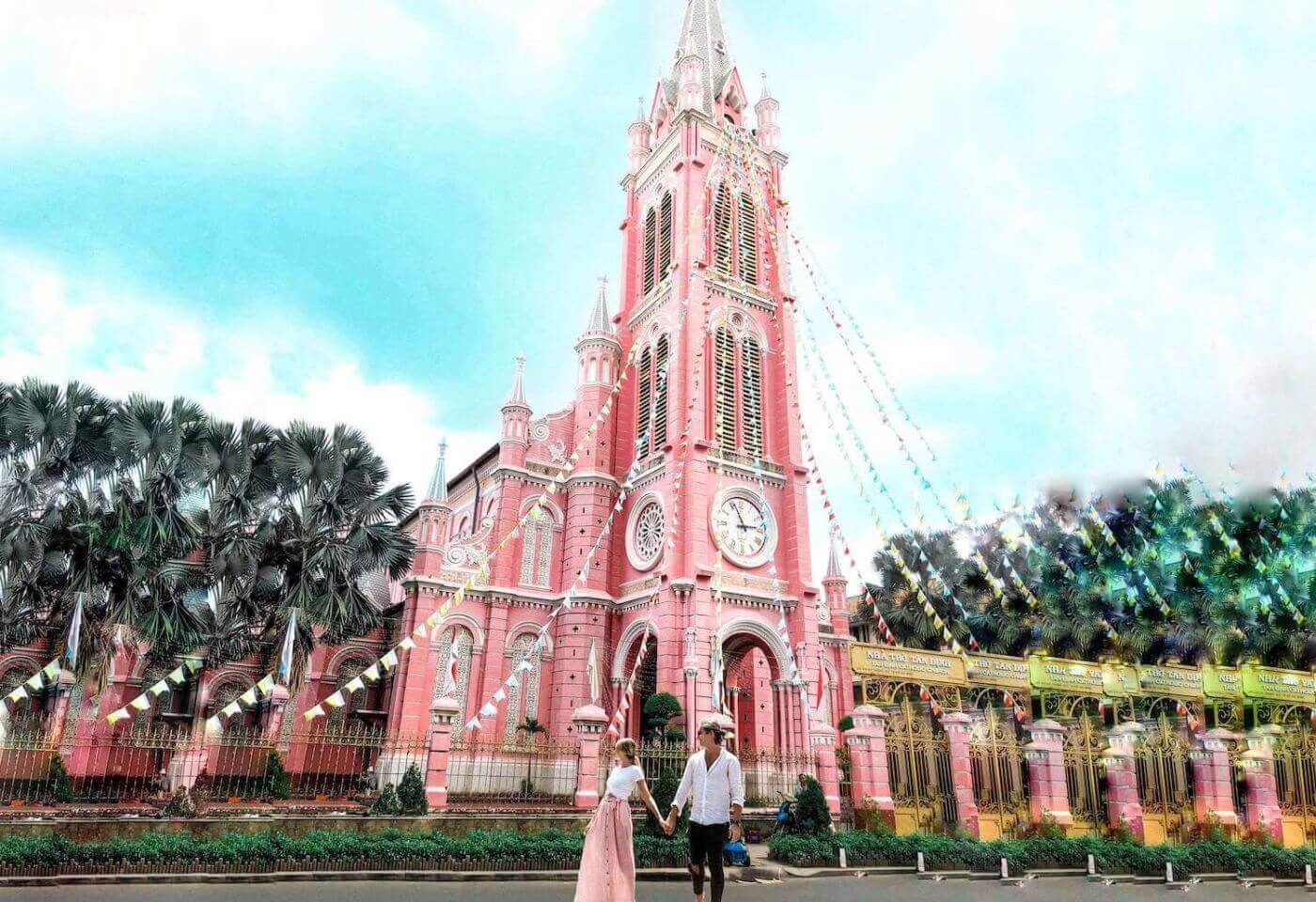
More than a religious destination, Tan Dinh Church attracts both Vietnamese and foreign visitors due to its charming pink color. This is why it's also known as ‘The Pink Church’.
Tan Dinh Church is immediately recognizable for its pink exterior, pale trim and tall central tower. Instead of treating the color as the whole photo, use the façade’s arches, columns and vertical lines to build a more deliberate composition. From the opposite side of the street, a portrait orientation can emphasize the tower; a wider horizontal frame can show the full frontage and its urban setting. The church remains an active place of worship, so access can vary around services and events. Check local notices before visiting, dress respectfully, and photograph from public areas without blocking entrances, traffic or worshippers. Our Pink Church guide has more visitor context.
For a calmer exterior photograph, try an early visit on a day without a major service, while remembering that neighborhood streets are never guaranteed to be empty. A phone’s 2× lens can help isolate the tower and decorative details without stepping into the road; use the standard lens for a complete view of the façade. Look for soft daylight that keeps the pink paint from appearing too saturated, and take a few frames as pedestrians pass naturally rather than asking strangers to pose. Do not assume interior access: church rules and service schedules may change. Keep a respectful distance, avoid flash near worship, and follow any posted guidance.
4. Thien Hau Temple

Another iconic Instagram-worthy destination that can’t be missed is Thien Hau Temple. Built-in the 19th century, the temple represents important religious traditions for the Chinese community living in the South of Vietnam.
Located in Chợ Lớn, Thiên Hậu Temple offers a different visual language from the city center: a traditional tiled roof, carved details, courtyards and an interior shaped by ongoing worship. The entrance and roofline make strong exterior subjects, while the interior rewards patient observation of textures and details rather than hurried wide shots. Light inside may be dim, so steady your phone, avoid flash and respect any restrictions around altars or offerings. The temple is a living religious site and a place of community significance. Check current access before traveling, dress modestly, speak quietly and never interrupt worship for a photograph. Read our Thiên Hậu Temple guide before your visit.
Photograph the details that tell a story: roof ornaments, carved woodwork, incense coils where photography is permitted, and the way natural light falls across the courtyard. Ask staff if you are unsure whether a particular area or ceremony may be photographed; some visitors come to pray, and privacy takes priority over a shot. Cover shoulders and knees as a considerate choice, remove hats where appropriate, and keep voices low. If you are exploring Chợ Lớn more broadly, the Saigon Chinatown Adventure can help you connect the temple with the district’s food, history and streetscape.
Our Top Trending Tours
-
All-Inclusive

-
All-Inclusive
-
All-Inclusive

5. Bui Vien Street

No trip to Saigon is complete without a visit to Bui Vien Street. This is where you can capture the energy of the nightlife in Ho Chi Minh City!
Bui Vien is best understood as a nightlife street whose look changes with the hour. In daylight, storefronts and street geometry are easier to see; after dark, signs and venue lighting create a vivid, high-contrast scene, but crowds and traffic also make photography more challenging. Choose a wide frame from a safe pedestrian area, or focus on one illuminated sign rather than trying to capture everything at once. Keep your phone and belongings secure, stay aware of motorbikes, and never step into the road for a shot. Ask permission before photographing staff, performers or identifiable visitors, especially in bars and restaurants.
For a cleaner nighttime image, steady your phone against a fixed surface where permitted, lower exposure slightly to retain sign detail, and take several frames as the crowd moves. If the street feels too busy, photograph a quieter side detail or return at another time; no social post is worth obstructing people or taking risks. Bui Vien is only one part of the city’s evening scene. Pair it with a planned meal or a guided Ho Chi Minh City foodie experience, and confirm current operating hours before setting out.
6. Ho Chi Minh City Museum of Fine Arts
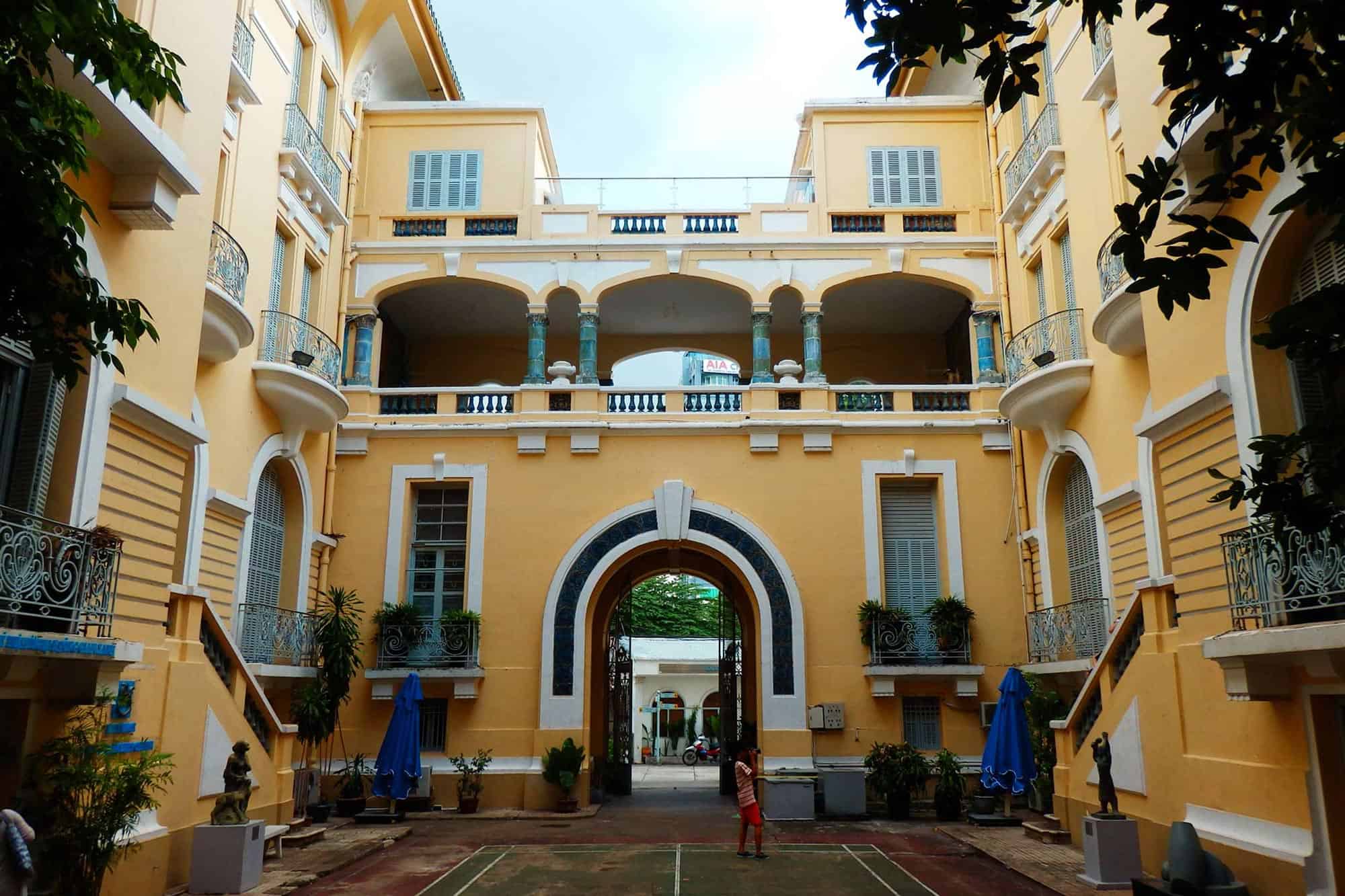
The Ho Chi Minh City Museum of Fine Arts combines a landmark building with changing displays, so check current exhibitions, opening arrangements and photography rules before you go. The exterior’s warm tones, balconies and decorative details create a strong architectural subject; inside, staircases, corridors and window light can add depth to photos when photography is allowed. Take a moment to look for a frame that layers a doorway or railing in the foreground with the gallery beyond, rather than photographing only the artwork.
Keep the visit comfortable for other guests: avoid flash, do not touch works, and ask staff before using a tripod or taking portraits. A phone is easier to use discreetly in narrow rooms, and a slower pace lets you notice details without blocking circulation. Check the museum’s visitor information before your visit.
7. Ho Chi Minh City Museum
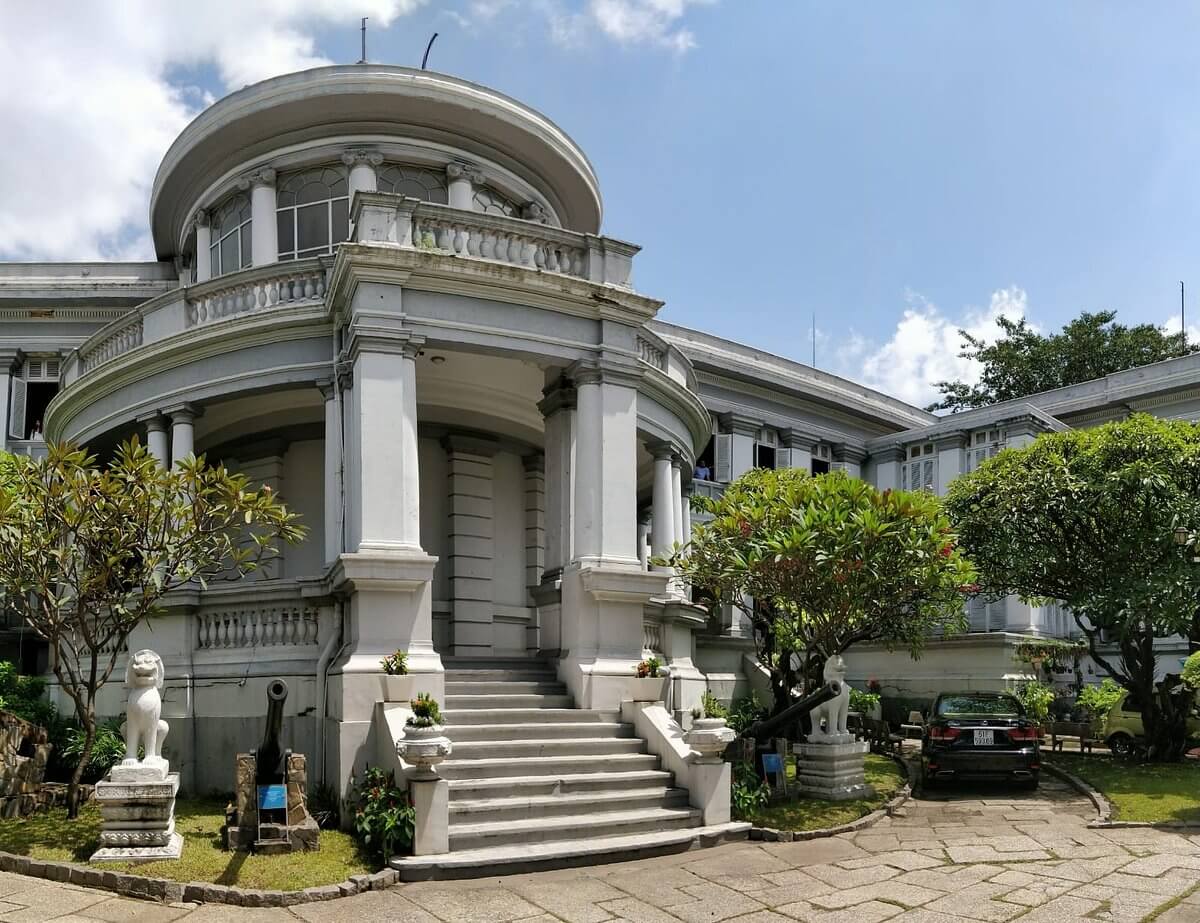
Set in a historic building, the Ho Chi Minh City Museum gives you a chance to photograph architectural details alongside exhibits about the city’s past. The exterior, gardens and interior stairways offer different compositions, while the display rooms can add context to a trip focused on Saigon’s history. Because exhibit access and photography rules may differ by room or event, check the museum’s current notices and ask staff before taking pictures indoors. Build your image around the architecture and atmosphere rather than photographing labels or visitors without permission.
A good approach is to make a few wide establishing frames first, then move closer for windows, railings and surface details where photography is allowed. Keep walkways clear and avoid flash around exhibits. If you are planning a broader historic itinerary, connect this stop with the city’s historic sites and leave travel time between locations. If you want local stories between landmark stops, consider a Ho Chi Minh City historical motorbike tour.
8. Independence Palace
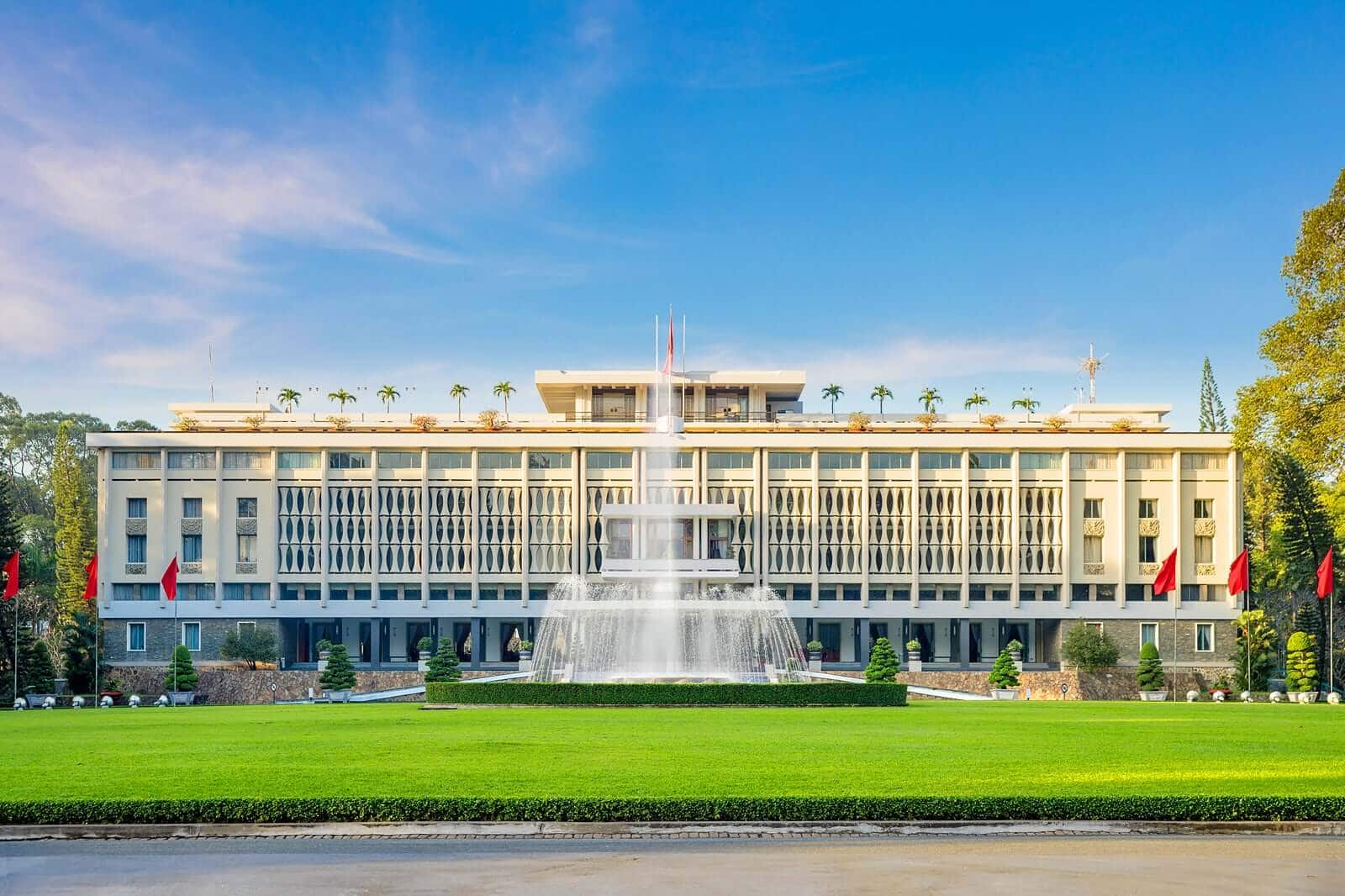
Independence Palace is one of the city’s most distinctive settings for architectural photography, with a broad modernist façade, formal gardens and carefully preserved interiors. Start outside: a centered view gives the building a composed, symmetrical feel, while a side angle brings the surrounding grounds into the frame. Inside, look for the interplay of geometric lines, patterned floors, furniture and window light where photography is permitted. The palace is a historic site and public attraction, so ticketing, visitor routes and camera rules can change; confirm current details before traveling and follow staff instructions.
Plan enough time to move through the grounds without rushing, and avoid treating rooms as a staged backdrop if other visitors are present. A wide lens can help in larger interiors, but a phone’s standard lens often keeps architectural lines more natural. If you want to connect the palace with other landmark stops, consider a Ho Chi Minh City sightseeing tour and check its current route details.
9. Saigon Central Post Office
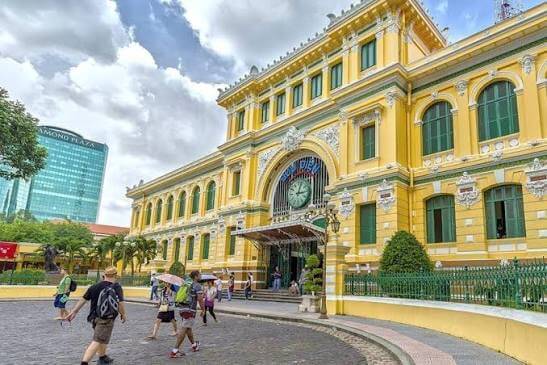
The Saigon Central Post Office is a working civic landmark as well as a popular architectural stop. Its pale exterior and central clock are easy to recognize, while the interior’s high ceiling, arched structure and long sightlines can make a compelling frame when visitor access allows. Photograph the façade from a public area and use the entrance to draw the eye into the hall; keep verticals straight so the arches feel balanced. Inside, remember that people may be mailing parcels, working or visiting for practical reasons, so keep a low profile and avoid blocking counters or queues.
Check current access and any photography guidance before you go. If the hall is busy, choose a detail such as a clock, map or repeating arch rather than trying to photograph around people. Pair this stop with nearby downtown architecture on a walk or a small-group city tour, and allow time for traffic between neighborhoods.
10. Bạch Đằng Riverside and the Saigon River
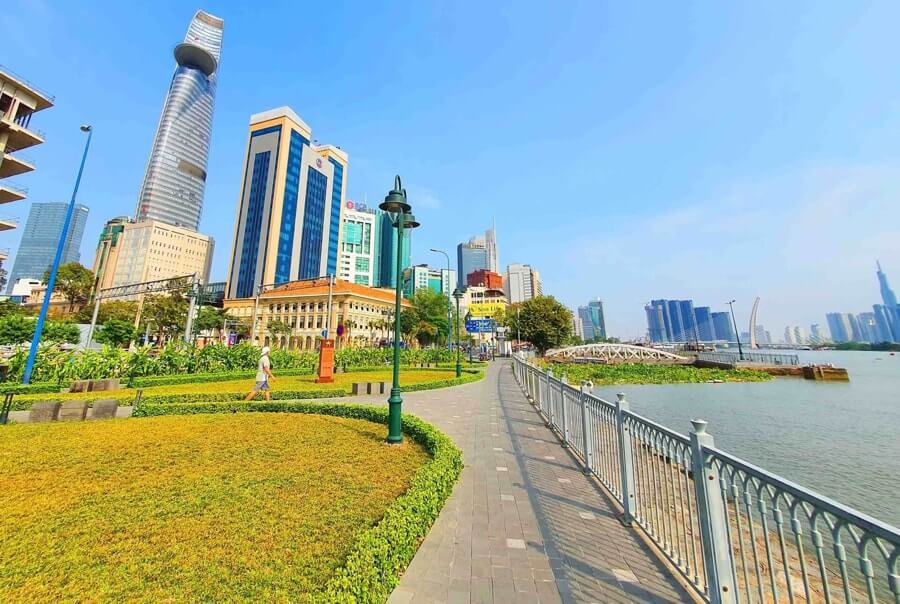
For a more open cityscape, head to the Bạch Đằng waterfront and look for views that connect the river, boats and downtown skyline. The riverfront gives you visual breathing room after busy streets, and the changing light can create soft reflections or a warm evening atmosphere. Compose with a railing, pier edge or passing vessel in the foreground to add depth, but stay behind barriers and use only public viewing areas. If you are interested in taking a boat, check the current Saigon Waterbus route and operating schedule directly before planning around a departure; services and conditions can change.
This is a good place for wide landscape frames, silhouettes and quieter portraits, provided you respect other visitors’ privacy. Keep the horizon level and take a few frames at different exposures if the sky is bright. For a guided way to see downtown landmarks, browse Ho Chi Minh City sightseeing tours and confirm the current itinerary before you go.
Photo Tips for Instagrammable Spots in Ho Chi Minh City
Light changes the character of each location, so build flexibility into your photo plan. Morning can be useful for softer light and less intense heat, but busy landmarks and streets are not guaranteed to be quiet. Late afternoon often brings warmer tones to façades and the river, while night photography works best when you can hold your phone steady and protect highlights from bright signs. Check the weather on the day and keep a simple indoor alternative, such as a museum, in mind for heavy rain.
For stronger images, decide what the frame should say before you take it: architecture, color, street life or detail. Use the grid to keep vertical lines straight, step back instead of standing in traffic, and try both a wide establishing photo and a tighter detail. Clean your lens, use the standard lens for natural proportions, and avoid digital zoom when possible. Take a moment to check the background for signs, clutter or people who may not want to be photographed. If a site is crowded, move on and return later rather than blocking a walkway.
How to Plan a Ho Chi Minh City Photo Route
The ten locations are spread across different neighborhoods, so do not assume they all fit into one walking day. Choose a cluster and leave time for traffic, meals and breaks. A central architecture route could combine the Café Apartment, Ben Thanh Market, Independence Palace, the Central Post Office and the Bạch Đằng waterfront. Check opening access for indoor stops, then decide whether to walk, use a ride service or join a small-group city tour for the longer connections.
For a separate half-day, group Thiên Hậu Temple with other Chợ Lớn streets and food stops; Tan Dinh Church and the two museums may work better as a different outing depending on your starting point and transport. Build the sequence around current opening times rather than chasing every landmark. If you prefer a guide, browse the city’s cultural tours and sightseeing tours, and compare itineraries before booking. For food-led outings, compare Ho Chi Minh City food tours as well.
Respectful Photography and Practical Etiquette
Photographing a place well includes understanding how it is used. Churches and temples are active worship spaces; museums and the Central Post Office have rules and people going about their day; the Café Apartment includes homes and independent businesses. Look for posted guidance, ask staff when unsure, and request consent before close-up portraits. Do not use flash around artworks or worship, and do not photograph children or private moments without permission. Avoid tripods or equipment unless the venue allows them. In busy streets, keep your belongings close, step aside to frame a shot, and never enter the roadway or block people for a photo.
Ho Chi Minh City Photography FAQs
Which Ho Chi Minh City locations are best for Instagram photos?
Start with the locations that match your style: landmark architecture around the center, street scenes at Ben Thanh or Bui Vien, the pink façade at Tan Dinh Church, and the carved details of Thiên Hậu Temple. Museums and the riverfront add quieter options. Choose based on access, timing and respectful photography rather than popularity alone.
What is the best time to take photos in Saigon?
Morning and late afternoon can offer softer light, while evening suits illuminated streets and the waterfront. Weather, crowds and venue hours vary, so treat these as planning windows rather than guarantees. Check conditions and opening times on the day.
Can visitors take photos inside temples and museums?
Rules differ by site, room and event. Look for signs and ask staff before photographing indoors, especially near exhibits, altars or worshippers. Avoid flash unless it is clearly permitted, and follow any request to stop.
Can I visit all ten places in one day?
It is possible to visit several, but fitting in all ten can feel rushed because they are in different neighborhoods and some have set access hours. Choose a central route and a separate Chợ Lớn or District 3 outing if you want time for photos.
What should I bring for a photo day in Ho Chi Minh City?
Bring a charged phone or camera, a compact power bank, water, a lens cloth and a light rain layer in wet weather. Keep gear simple in crowded areas, protect your device from rain, and use a small bag you can keep close.
Make the most of your Ho Chi Minh City photo trip
A memorable photo itinerary balances iconic architecture with everyday scenes and gives you enough time to experience each neighborhood respectfully. Use these ten spots as a starting point, verify access on the day, and leave room for a café, a meal or a street that catches your eye. For more ideas, explore our Ho Chi Minh City photo tour and local foodie experience, then shape the day around your own pace.
Recommended Articles


Get your VACATION on!
Expertly curated emails packed full of vacation inspiration, travel tips and more!