


 +1 617 404 2125


Top 10 Hidden Alleys in Ho Chi Minh City (Saigon)


BY Shafira
18 days ago


We don't have to tell you Ho Chi Minh is a must-visit if you're planning a trip to Vietnam. The vibrant metropole has everything a tourist could ever dream of. Modern skyscrapers and Buddhist pagodas, finger-licking street food, more rooftop bars than you can count (including tasty cocktails), and for the shopaholics, did we mention the luxury boutiques yet?
You won't be bored in Vietnam's biggest city for a second! After all, there is a reason why its nickname is the 'Pearl of the Far East.'
Our Top Trending Vietnam Tours


One crucial thing, though, is that you look further than all the big tourist attractions and activities. If you want to get to know a city and experience it like a local, it's in the details.
So get away from the hustle and bustle in the main streets every once in a while and take your time to discover the network of little alleys that weave through the city. Graffiti, flowers, Little Japan or Chinatown, Ho Chi Minh City has it all!
1. Hẻm 15B Lê Thánh Tôn (Little Japan)
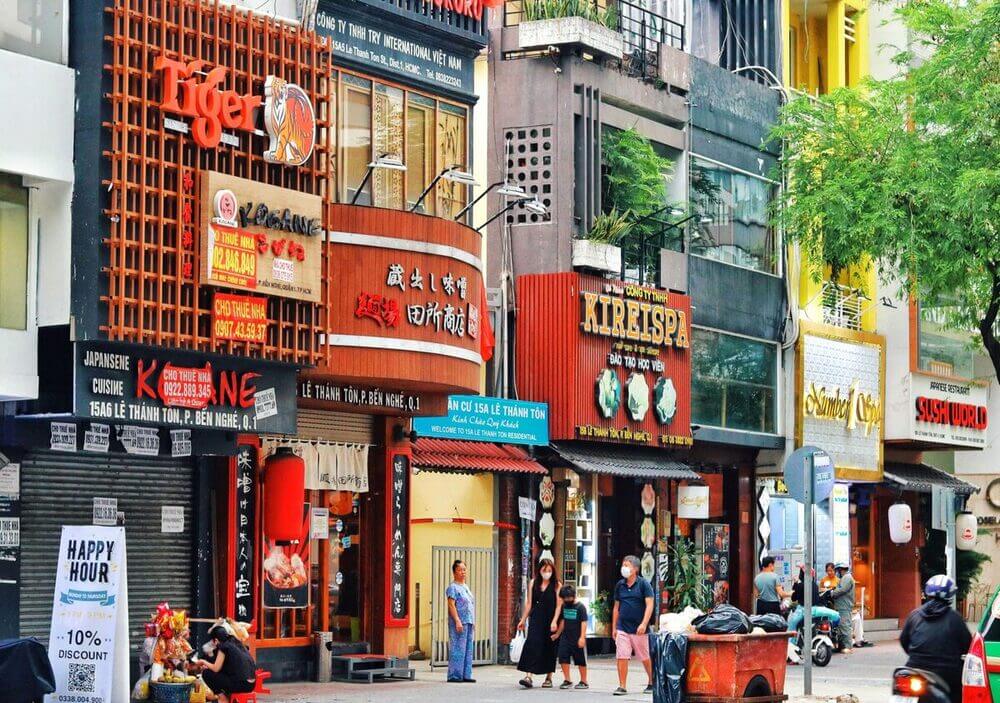
The 15B Lê Thánh Tôn lanes are often called Saigon’s Japan Town. The nickname reflects a concentration of Japanese restaurants, shops and services along narrow mixed-use streets. It is a lived-in neighborhood, not a themed attraction, so the experience depends on which businesses are open during your visit.
The lanes are known for Japanese restaurants, signboards and lanterns, but this is a mixed-use part of the city, not a theme park. Look for a place to eat or browse that is open on the day, and remember that residential doors sit alongside businesses. Individual venues change, so check current listings before setting out. Its businesses and street details can change, so verify the shops and eateries open during your visit.
Spend time on the surrounding lanes as well as the most photographed entrance. The Le Thanh Ton pocket is a cluster of businesses and narrow passages rather than a curated Japanese-themed attraction, so the experience depends on the day, time and individual venues that are open. Visit during a time that suits the shops or restaurants you actually plan to use, keep doorways clear, and treat residential entrances as private. If you want to compare this stop with the city’s larger landmarks, use our Ho Chi Minh City guide to shape the rest of your day.
2. Hào Sĩ Phường (Chợ Lớn)
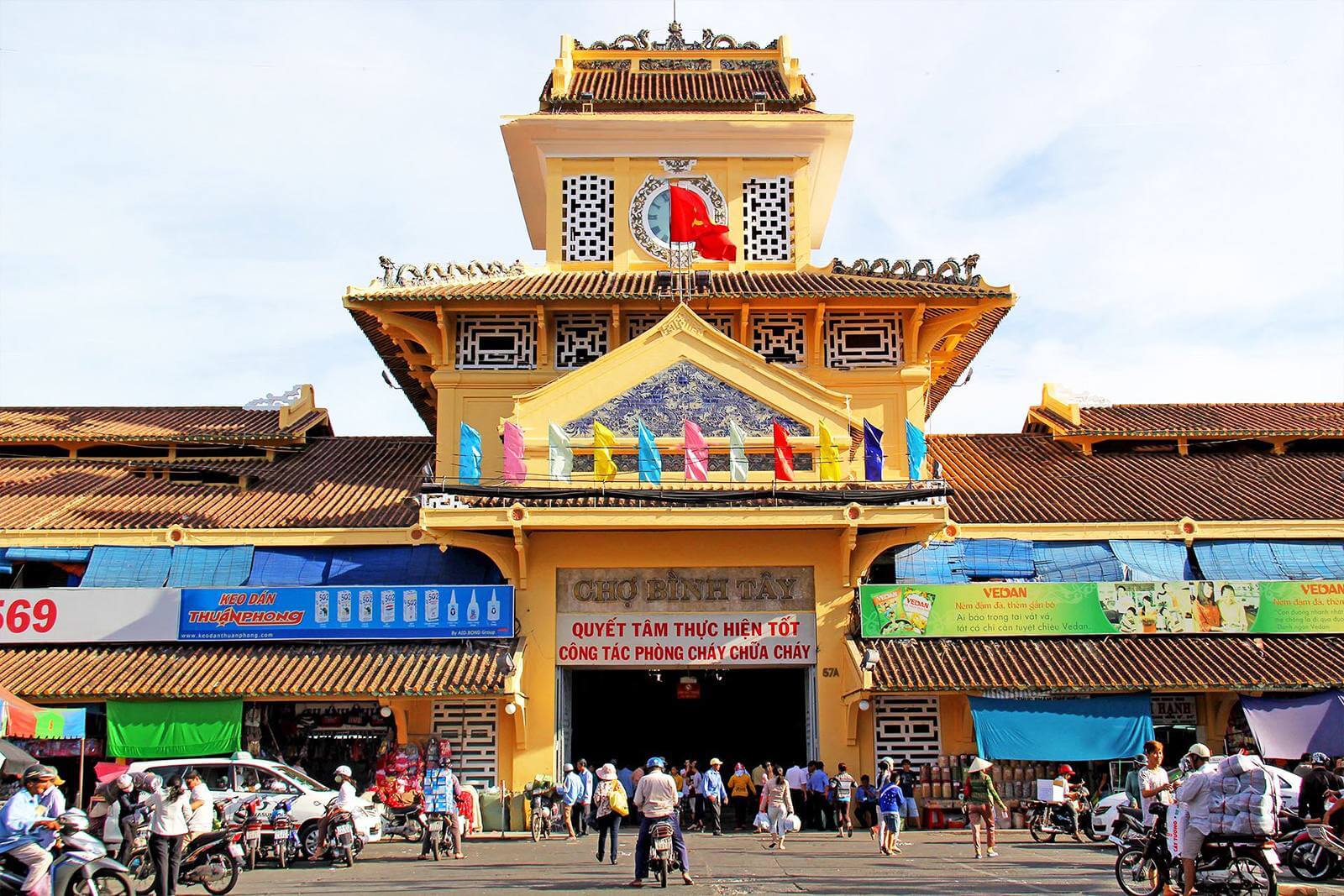
Many cities worldwide have their own Chinatown, and Ho Chi Minh City is no exception to that rule. But, while the rest of the town seems to develop and change overnight, time seems to stand still over here.
Hào Sĩ Phường is a well-known residential lane in Chợ Lớn, recognized for its compact rows of homes, balconies and Chinese-language signs. Its long history is part of its appeal, though the exact age and development of the lane should be confirmed through a reliable local source before quoting a number. It remains a lived-in place, so visit quietly and respect residents’ privacy.
Compared with the main streets, the compact passage offers a closer view of neighborhood architecture and daily routines. Residents may be home or moving through the lane, so stay on public routes and avoid peering through open doors.
Food options in the broader Chợ Lớn area vary by venue; check what is available on the day rather than expecting a particular stall or menu.
Hào Sĩ Phường is best approached as a lived-in lane in the city’s Chợ Lớn area, not as a set built for visitors. Walk slowly, notice the balconies, stairways, signs and the way homes and small businesses share a compact space. If residents are using the passage, give them priority and do not enter buildings or courtyards unless invited. Food availability changes from one doorway to another, so avoid promising a particular dish at a specific stall without checking it first. For broader context and a guided route that includes Chinatown sights, see our Saigon Chinatown Adventure.

Our Best Selling Tour
- All-Inclusive
- Ho Chi Minh Local Foodie Experience(2 Reviews)
The food scene in Ho Chi Minh is booming, and there’s no better way to experience it than on our Ho Chi Minh Local Foodie Experience. Join us to indulge in th...
US$109/pp Learn more
3. Alley 200 Xóm Chiếu
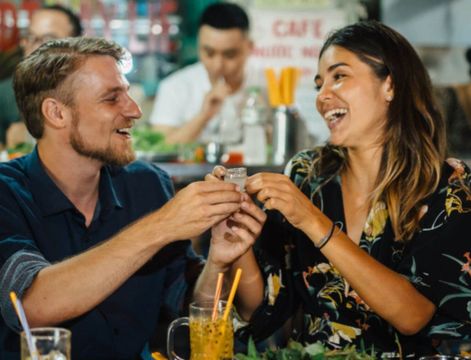
For a food-focused stop, consider Alley 200 Xóm Chiếu in the area formerly known as District 4. The lane is associated with local food stalls, but its vendors and busiest hours can change; check what is open before making a special trip. It is a compact shared passage, so explore on foot and allow local traffic to pass.
Depending on what is open, you may find Vietnamese comfort food and snacks at local stalls. Browse the menus, ask what is available that day, and choose something that suits your appetite instead of expecting the same dishes at every visit.
Check a current map pin for the alley entrance before setting out. If you use a taxi or ride-hailing app, choose a recognizable nearby drop-off point and walk the final stretch if vehicles cannot enter.
Think of this as a compact food lane, not a scheduled attraction with guaranteed menus. Vendors and busy periods can vary, and the narrow space is shared with residents and local traffic. Arrive with time to browse, order from stalls that are open, and step aside while people pass. If you are using a ride-hailing app, set the pin to a clearly identifiable nearby entrance and confirm the final few minutes on foot rather than assuming a driver can enter the lane. Our Ho Chi Minh City tour guide can help you fit a food stop into a wider city itinerary.

More Hidden Alleys and Local Lanes to Explore
The first three stops show different sides of Saigon’s alley life: Japanese-inspired businesses, a residential lane in Chợ Lớn, and a food-focused passage in District 4. The next seven add flower-market activity, small café lanes, photogenic corners, and neighborhood streets. Treat this as a list of ideas to choose from, not a route you must complete in one day. Conditions and businesses change, so check current access before making a special trip.
4. Hồ Thị Kỷ Flower Market and Food Lanes
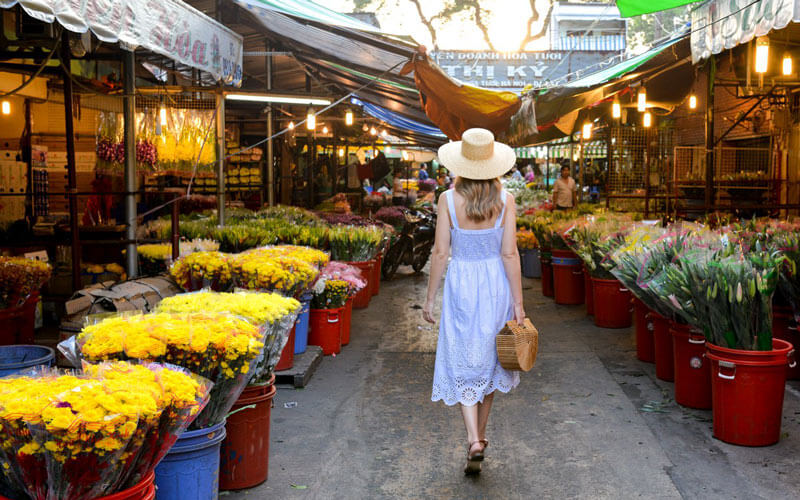
Hồ Thị Kỷ is a working flower-market area with narrow adjoining lanes, not simply a night market built for sightseeing. The market is known for its wholesale and retail flower trade, and food vendors occupy nearby passages. That mix gives the area a different rhythm from the city-center alleys: flowers, delivery activity, small shops and food counters share a compact network of streets. The market is in the former District 10 area; the current ward name is Vườn Lài. Its recognized location is Alley 52, Hồ Thị Kỷ Street. See other Ho Chi Minh City attractions if you want to pair it with nearby sights.
Come with enough time to look around without obstructing work. If you visit during a busy delivery period, give carts and motorbikes room, and avoid stepping into a stall or handling flowers unless invited. The market can be active at different hours, but the wholesale trade and food scene do not follow a single visitor timetable; verify the atmosphere and operating hours you want before setting out. If you are more interested in food, arrive when eateries you have checked are open. If you are there for flowers, observe the trade respectfully and remember that the vendors are working. A daytime visit and an evening visit can feel like different experiences, so choose according to your priorities rather than expecting one visit to cover everything. The ForeverVacation Saigon Chinatown Adventure also lists Hồ Thị Kỷ Flower Market as one of its stops; check tour details if you prefer a guided visit.
5. The Huỳnh Văn Bánh–Trường Sa Neighborhood Alleys
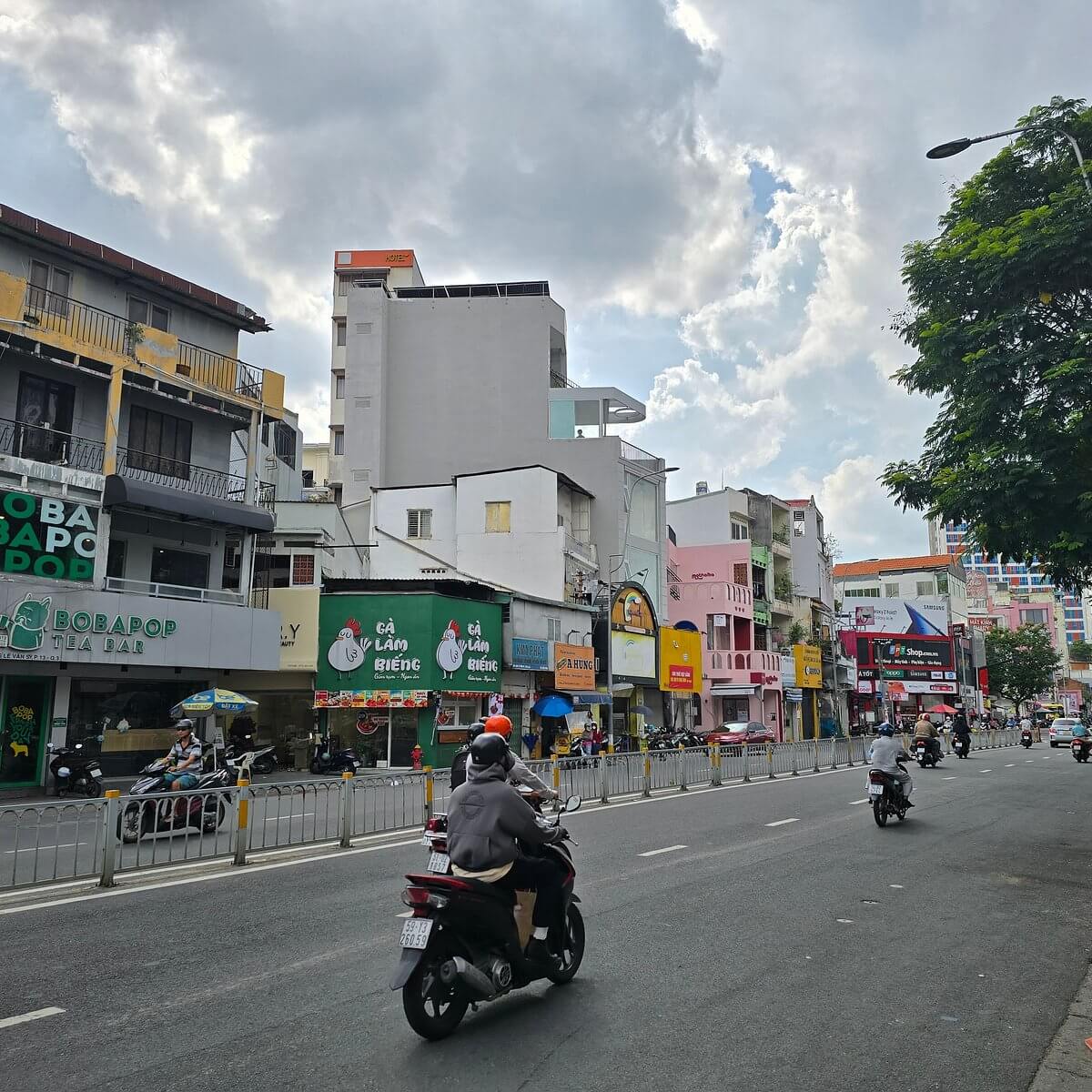
Instead of searching for one named “hidden alley” here, use the Huỳnh Văn Bánh–Trường Sa area as a neighborhood walk. Independent local travel writing describes a web of smaller lanes around this part of Phú Nhuận, where everyday cafés, informal eateries, pagodas, shrines and small markets sit close together. The appeal is in how the street changes from one turn to the next: a busy road gives way to a shaded lane, then a small shopfront or a quiet residential stretch. This is a good choice for travelers who want to observe ordinary urban life rather than visit a single photo landmark. For a broader overview before you set off, read our Ho Chi Minh City travel guide.
Because this is a network rather than a formal attraction, do not enter a passage just because it looks interesting on a map. Check that it is a public through-lane, turn back if it becomes clearly private, and avoid photographing people in their homes or at work without permission. Some routes are narrow and used by residents on scooters, so pause in a safe spot rather than walking side by side across the lane. Choose a short loop, note a main-road exit before wandering, and plan a café stop only after confirming it is currently open. The experience is best when you move slowly and stay curious without treating people’s homes as scenery.
6. Alley 144 Pasteur
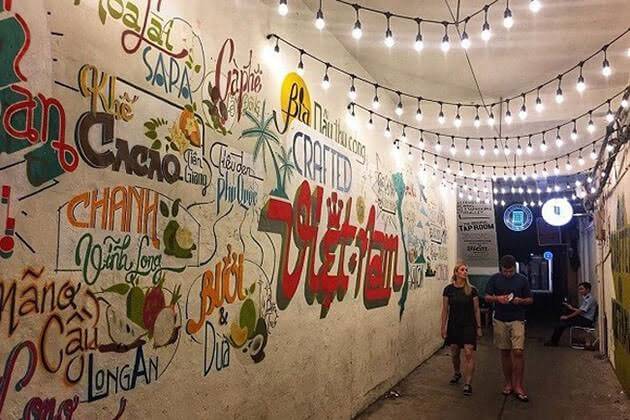
Alley 144 Pasteur is often mentioned as a colorful photography stop in central Ho Chi Minh City. It works best as a brief detour while exploring the surrounding streets, not as a full sightseeing destination. The passage is known for painted walls and a vivid visual backdrop, which can make it appealing to visitors looking for a different city photograph. Its character may change as buildings are repainted or businesses change, so think of the alley as an urban snapshot rather than a permanent installation. Pair it with a walk through nearby central landmarks using the city’s Ho Chi Minh City guide.
Before taking a photo, check that you are not blocking residents, shop entrances or people moving through the lane. A quick, considerate visit is more appropriate than setting up a long photo session in a shared passage. Go in daylight if you want to see the colors clearly, and avoid assuming that every wall or doorway is public property just because it appears in travel photos. The alley’s main draw is its compact scale and contrast with the busier street outside; combine it with other nearby stops rather than traveling across town solely for one wall. Confirm the current appearance and access locally, especially if a recent image is important to your plans.
7. Alley 59 Nguyễn Du
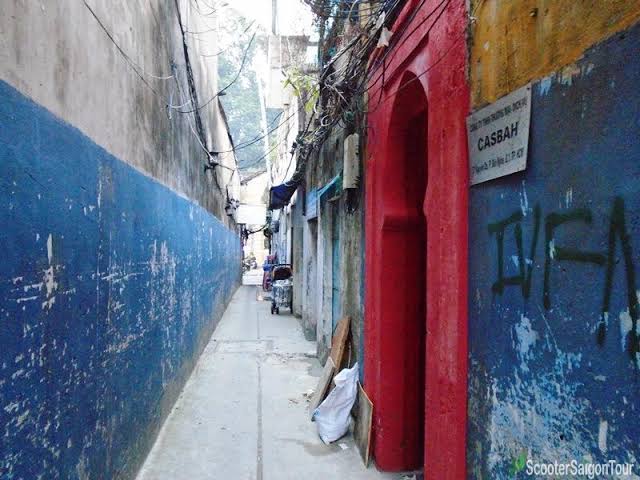
Alley 59 Nguyễn Du is another small photo-oriented lane, noted in a Vietnamese news feature for its dark blue wall. It offers a more contained stop than the larger market and food areas in this list. The appeal is the strong color and the intimate scale: a short passage can provide a visual pause between the city’s larger streets. As with any residential or mixed-use alley, the surroundings are part of a working neighborhood, so the blue wall should be one detail in a respectful visit rather than an invitation to linger in front of people’s homes. For more photo ideas around the city, browse the Ho Chi Minh City Hidden Gems tour.
Keep expectations practical: paint may fade or be changed, access may depend on local conditions, and there may be little to do beyond looking and taking a quick photograph. Check that the entrance is open and the lane is suitable for visitors on the day. Do not touch walls, move belongings or ask residents to pose. If there are people passing, step aside and let them through. This stop pairs naturally with other central-area lanes, but it is not an official attraction with visitor facilities, posted hours or guaranteed access. A short, quiet visit is the right scale.
8. The Beer Alley Area off Phạm Ngũ Lão
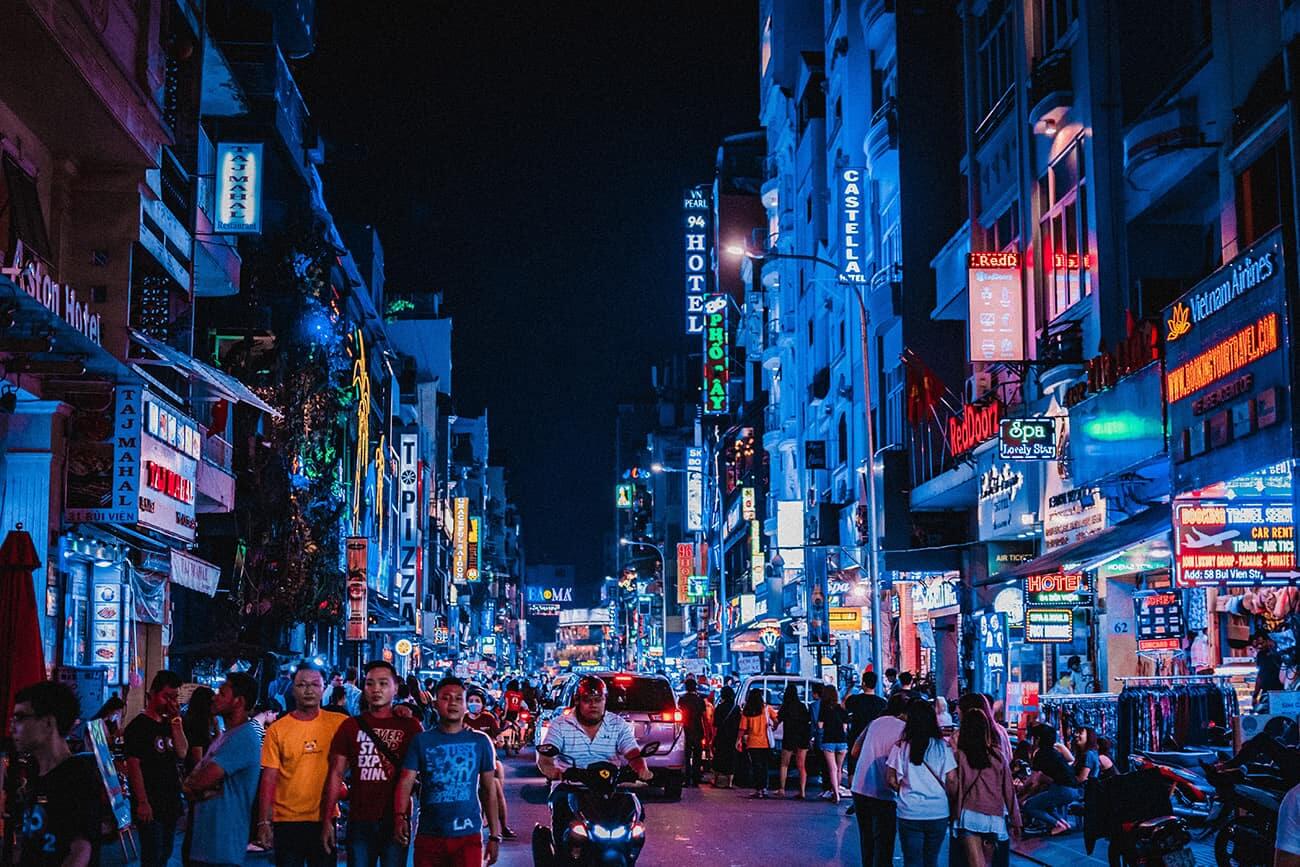
Small lanes around Phạm Ngũ Lão have a different personality from a quiet residential alley. The “Beer Alley” label is used for compact nightlife passages with bright signs and bars, close to the city’s backpacker district. This is a place to consider if you want an energetic evening, a quick look at the nightlife streetscape, or a drink at a venue that is open and suits your group. It is not an example of a traditional market lane, and it may be loud, crowded or commercially oriented at peak hours. Use our Ho Chi Minh City city-tour page to explore other ways to experience the city after dark.
Choose a specific venue rather than assuming every bar in the lane is the same, check its current hours and prices, and agree on a meeting point if your group gets separated. Keep valuables secure in busy areas, use licensed transport or a reputable ride-hailing app at the end of the night, and avoid accepting unsolicited offers that make you uncomfortable. If nightlife is not your priority, visit earlier or choose another stop from this guide. The alley’s appeal is the concentrated evening atmosphere, but it should not be presented as a quiet hidden gem. Keep noise low when entering or leaving residential side passages nearby.
9. The Coffee Lane at 15/29 Nguyễn Thị Minh Khai
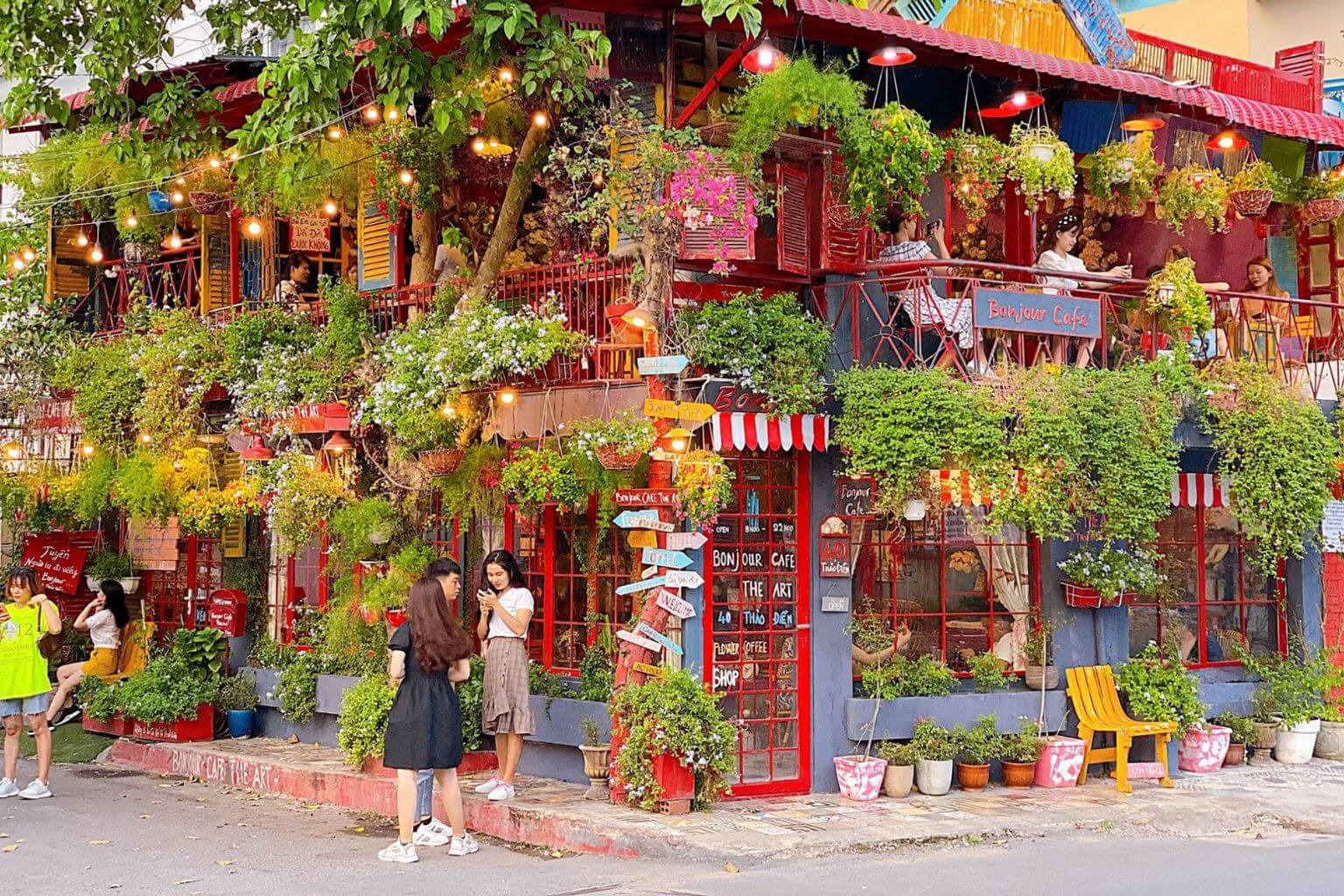
A small coffee lane at 15/29 Nguyễn Thị Minh Khai has been documented as a cluster of cafés with a quieter feel than the city’s main thoroughfares. It is a useful candidate for a rest stop between sightseeing, especially if you want to see how cafés and small businesses occupy narrow urban spaces. Rather than expecting one famous coffee shop to define the lane, check which cafés are currently operating and choose one that welcomes visitors. Menus, opening times and tenants can change, so confirm the details before adding a particular business to an itinerary. If you are planning multiple city stops, the main Ho Chi Minh City tours page can help you compare transport and guided options.
Once you arrive, keep the entrance and walking route clear, order directly from the café you choose, and stay within the customer area. A narrow shared passage is not a place to block traffic while deciding where to go. If the cafés are busy or the lane feels private, choose another coffee stop on a public street. This suggestion is more about the small-scale café setting than a must-see landmark, so it is worth visiting only if it fits naturally into your route. Treat any café name or opening hour in older travel coverage as a lead to verify, not as a guarantee.
10. Hẻm 51 Cao Thắng
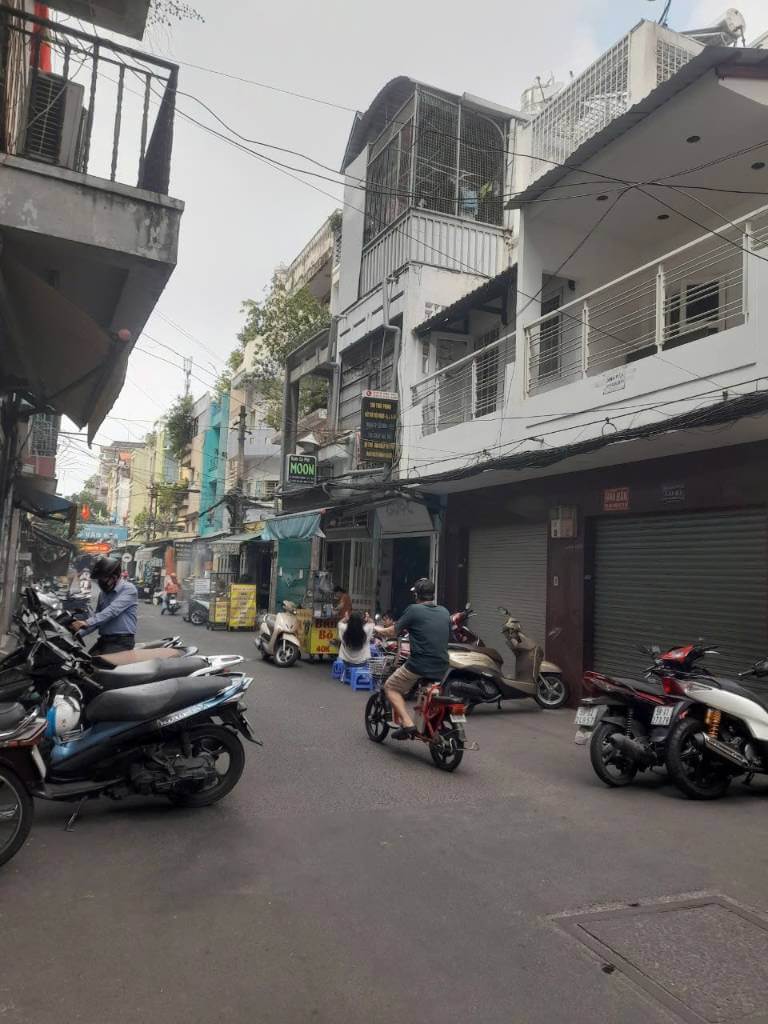
Hẻm 51 Cao Thắng is a food-focused candidate to consider for travelers who want to explore beyond the best-known tourist streets. A local food-studies article identifies the Cao Thắng lane among Ho Chi Minh City’s food alleys and mentions snacks such as bánh flan, fried dough, dumplings and chive cakes in the surrounding food scene. Those references are useful context, but they should not be treated as a current menu: individual vendors can move, close or change what they serve. The reason to include the lane is the chance to browse a compact neighborhood food cluster, not a promise that every named dish will be available on every visit.
Arrive with an open mind and choose a stall that is visibly open and serving customers. Ask about ingredients or portion sizes if needed, carry small cash as a practical backup, and follow the vendor’s queue or ordering routine. Avoid standing in a doorway or photographing diners without permission. Because exact stall locations and business hours can shift, confirm a current local map listing or ask a trusted local source before traveling specifically for this alley. If the food scene is your main interest, compare it with the broader options on our Ho Chi Minh City tours page, including the food experience featured in this article.
How to Plan an Alley Walk in Ho Chi Minh City
These ten entries are spread across different parts of the city and do not form one continuous walking route. Pick two or three places that match your interests, then group them by area and check the travel time between them on the day. Hào Sĩ Phường and Hồ Thị Kỷ fit naturally into a broader Chinatown and market day; the central photo lanes are better combined with nearby city-center sights; and the Phú Nhuận neighborhood lanes make more sense as a short local walk than as a cross-city checklist. Consult the current Ho Chi Minh City attractions list for additional places to pair with your route.
Choose your route by what you want to experience
- For food: Start with Alley 200 Xóm Chiếu, Hồ Thị Kỷ or Hẻm 51 Cao Thắng, but verify which vendors and stalls are active before making a special trip.
- For neighborhood character: Choose Hào Sĩ Phường or a short, clearly public lane in the Huỳnh Văn Bánh–Trường Sa area. Keep the visit quiet and brief where homes are close to the passage.
- For photos: Consider the 15B Lê Thánh Tôn area, Alley 144 Pasteur or Alley 59 Nguyễn Du. Check current access, take a quick photo without blocking the route, and move on.
- For cafés or nightlife: Check the Nguyễn Thị Minh Khai coffee lane or the Phạm Ngũ Lão nightlife lanes, depending on the atmosphere you want and the businesses currently open.
Use map pins carefully. Alley numbering can be confusing, and drivers may not be able or allowed to enter a narrow passage. Set a pin at a recognizable street entrance, confirm the drop-off with the driver, then walk the final stretch if the lane is accessible. Do not rely on an old blog post for current ward names, business hours or directions. If you are unsure, ask your hotel or a local guide to confirm the entrance before you leave.
What to bring and when to go
Wear comfortable shoes with a grip suitable for uneven pavement, bring water, and carry a small amount of cash alongside a contactless payment option. A lightweight rain layer can help in wet weather; avoid carrying bulky luggage into narrow lanes. Markets are often most interesting when trade is active, but that can also be the busiest time for vendors and delivery traffic. Food alleys tend to feel different from morning to evening, and nightlife lanes are liveliest after dark. Choose the time based on the specific place and experience you want, and check current opening information rather than assuming a fixed schedule.
Alley Etiquette and Safety
Many Ho Chi Minh City alleys are part of people’s everyday routes and home environments. Visitors are guests in shared spaces. Keep to one side when people pass, avoid blocking doorways, and step out of the way of scooters, bicycles, delivery carts and vendors. Do not enter a home, courtyard, shop back room or temple area unless it is clearly open to visitors or you have been invited. Ask before photographing a person, their home or their business; a public-looking lane does not automatically make every resident comfortable being photographed.
Use a calm voice, take your rubbish with you, and do not leave food or belongings where they can obstruct the path. Follow posted signs and local requests, and turn around if a lane becomes private, closed or uncomfortable. In crowded food areas, keep phones and wallets secure and pay attention while crossing streets or walking near moving traffic. At night, stick to routes and venues you have checked, travel with companions if that suits you, and arrange a reliable way back to your accommodation. These simple habits protect both visitors and the people who live and work in the alleys.
Ho Chi Minh City Alley Visitor Questions
What does “hẻm” mean in Ho Chi Minh City?
Hẻm is the Vietnamese term commonly used for an alley or narrow lane branching from a larger street. The word can describe many different spaces, from commercial passages with cafés and food stalls to residential lanes used mainly by local households. Not every hẻm is a visitor attraction, and access can vary. Treat each one according to its signs, use and local context.
Are Ho Chi Minh City’s alleys open to tourists?
Some lanes contain public businesses or are regularly visited, while others are primarily residential or have restricted access. A lane appearing on a map or in a photo does not guarantee that it is open to visitors. Check current access, follow signs, and turn back if residents or staff indicate that visitors should not continue.
Which alleys are best for food?
Hồ Thị Kỷ is known for its flower-market and food-lane setting. Alley 200 Xóm Chiếu and Hẻm 51 Cao Thắng are other food-focused candidates in this guide. Vendors and menus change, so verify current activity before you go and choose stalls that are visibly open and serving customers.
What is the best time to visit the alleys?
There is no single best time for every alley. Markets, cafés, food lanes and nightlife areas have different rhythms. Check the current operating hours of any business you plan to visit. For residential areas, choose a considerate daytime visit and avoid creating noise or congestion during early or late hours.
Can I take photos in residential alleys?
You can photograph public street scenes where permitted, but be considerate. Avoid photographing people, homes, doorways or private spaces without permission, and never block the lane for a photo. If someone asks you not to take a picture, respect that request and move on.
Can I visit all ten alleys in one day?
It is better to choose a few stops and group them by area. The locations are spread across the city, and a rushed checklist would leave little time to enjoy the markets, food or neighborhood details. Use the Ho Chi Minh City travel guide to build a realistic wider itinerary.
Explore Beyond the Main Streets
Ho Chi Minh City’s alleys are not all alike: some are known for food or flowers, some for cafés and nightlife, and many are simply part of daily neighborhood life. Keep the three original recommendations, add the seven candidates that best match your trip, and verify current access before setting out. A thoughtful visit—curious, brief where appropriate, and respectful of residents—will show you more than treating every lane as a photo stop. For more ideas across Vietnam, browse our Vietnam destination guide.
Recommended Articles


Get your VACATION on!
Expertly curated emails packed full of vacation inspiration, travel tips and more!