+1 617 404 2125
Chocolate Hills




Search


| 📌 Address | Chocolate Hills, Bohol, Philippines |
| ⏰ Opening Hours | 8:00 AM - 5:00 PM |
| 💸 Entrance Fee | Free |

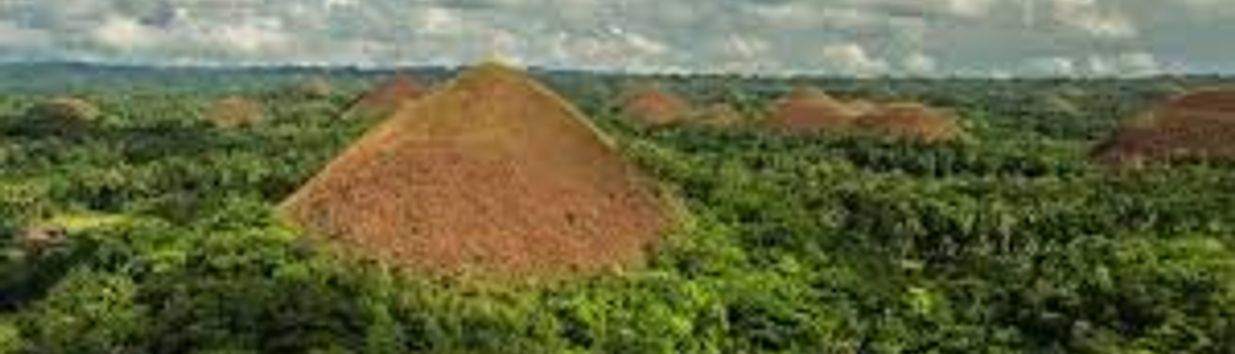
Imagine an ocean of perfectly conical hills stretching as far as the eye can see, their grass-covered slopes changing colors with the seasons, from vibrant green to rich brown. This is the Chocolate Hills of Bohol, an extraordinary geological formation and one of the Philippines' most iconic landscapes. Named for their resemblance to Hershey's Kisses, particularly during the dry season when the vegetation browns, these symmetrical mounds have puzzled and delighted visitors for centuries.
Experience the best of the city on our Old Manila Timewalk Tour! Journey from bustling markets and iconic jeepneys to centuries-old walls and colonial landmarks...
There are at least 1,268 hills spread over an area of more than 50 square kilometers – some even say there might be as many as 1,776! While most hills range from 30 to 50 meters in height, the tallest hill towers at 120 meters. The unique topography of the Chocolate Hills is a profound sight that captures the imagination and defies expectations, and it's nestled right here in our beautiful province of Bohol.
While the Chocolate Hills are not man-made historical structures, their history dates back to ancient geological processes. They are believed to have formed from marine limestone on the seabed as a result of thousands of years of weathering and erosion. A relatively young geological formation, the hills are thought to be only around 2.5 million years old.
Over the years, locals have woven tales around these hills, including legends that speak of giants and epic battles. One such tale tells of a giant named Arogo who cried after losing his mortal love, and his tears then turned into these hills. These stories, passed down through generations, add to the mystique of the Chocolate Hills and form a rich tapestry of cultural heritage.
Scientifically speaking, though, the hills are the result of uplifted coral deposits and the action of rainwater and erosion. This romantic and mystical past, entwined with science, creates a compelling narrative that is as layered as the hills themselves.
The Chocolate Hills are important not only for their unique geological features but also as a symbol of the natural beauty found in the Philippines. They are a quintessential part of Bohol's identity and arguably the province's most famous tourist attraction, drawing visitors from around the world. One cannot truly say they've visited Bohol without seeing the Chocolate Hills—it's like going to Paris and not seeing the Eiffel Tower!
Aside from their visual spectacle, the hills play a vital role in local folklore and tourism economy. They have been declared the country's third National Geological Monument and proposed for inclusion in the UNESCO World Heritage List. As a geological phenomenon, the Chocolate Hills provide scientists with insights into the formation of karst landscapes, making them important for educational and research purposes.
Furthermore, as a flagship tourist destination, they support the livelihoods of local communities and promote environmental preservation. In a way, the hills connect the realms of tourism, culture, and science, conjuring a sense of wonder that is universally significant.
Visiting these hills is about embracing the landscape's splendor and discovering its secrets. You can start your journey at the Chocolate Hills Complex in Carmen, which offers a viewing deck for panoramic views. The climb to the deck might be steep, but the 360-degree vista at the top is worth every step—truly, a breathtaking perspective that's best experienced at sunrise or sunset.
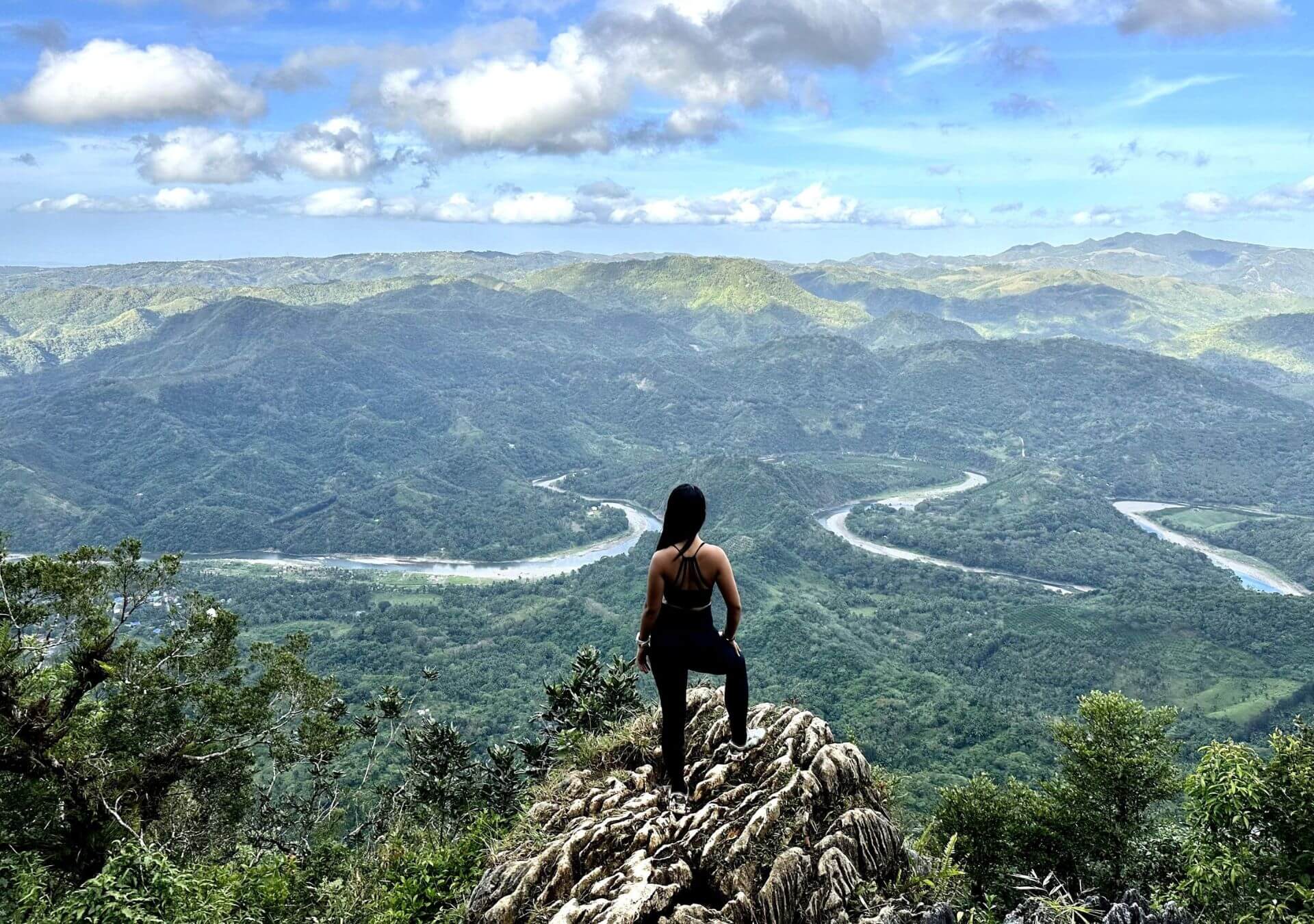

For adventurers, there's the Chocolate Hills Adventure Park, where you can zip-line across the hills or traverse hanging bridges. It's a way to see the hills from different angles and elevations, pumping adrenaline through your veins as you soar or tread above the scenic landscape. If you prefer a more relaxed pace, why not take an ATV tour? It allows you to navigate through the hills' pathways and explore areas that are off the beaten track.
Don't forget about the local flora and fauna, either. The habitat here is incredibly diverse – you might come across a Philippine Tarsier Conservation Area on your way to the hills, where these adorable tiny primates thrive. Remember, too, that the hills offer an ever-changing tapestry; depending on when you visit, the hills' colors shift from green to brown, offering a different kind of beauty with each season.
| 📌 Address | Chocolate Hills, Bohol, Philippines |
| ⏰ Opening Hours | 8:00 AM - 5:00 PM |
| 💸 Entrance Fee | Free |
The Chocolate Hills are a geological formation in Bohol, Philippines, consisting of over 1,200 perfectly cone-shaped hills spread over an area of more than 50 square kilometers. They are named 'Chocolate Hills' because the grass that covers the hills turns brown during the dry season, making them resemble chocolate mounds.
The Chocolate Hills are believed to have been formed from marine limestone on the ocean floor, uplifted above the sea and then sculpted by erosion. There are various geological theories, including limestone weathering patterns and uplift of coral deposits, to explain the exact process of their formation.
Yes, the most popular viewing deck for the Chocolate Hills is located at the Chocolate Hills Complex in Carmen, Bohol. There is another viewpoint located at Sagbayan Peak, which offers panoramic views of the hills with recreational facilities.
The best time to visit the Chocolate Hills is during the dry season, from November to April, when the hills are most likely to have their iconic chocolate brown color. However, the location is open all year round and offers a different scenic beauty in the green season.
Yes, there are several local legends about the origin of the Chocolate Hills. One of the most popular ones tells a story of two feuding giants who threw rocks, boulders, and sand at each other. After exhausting themselves, they became friends, but the mess they left behind turned into the Chocolate Hills.