+1 617 404 2125
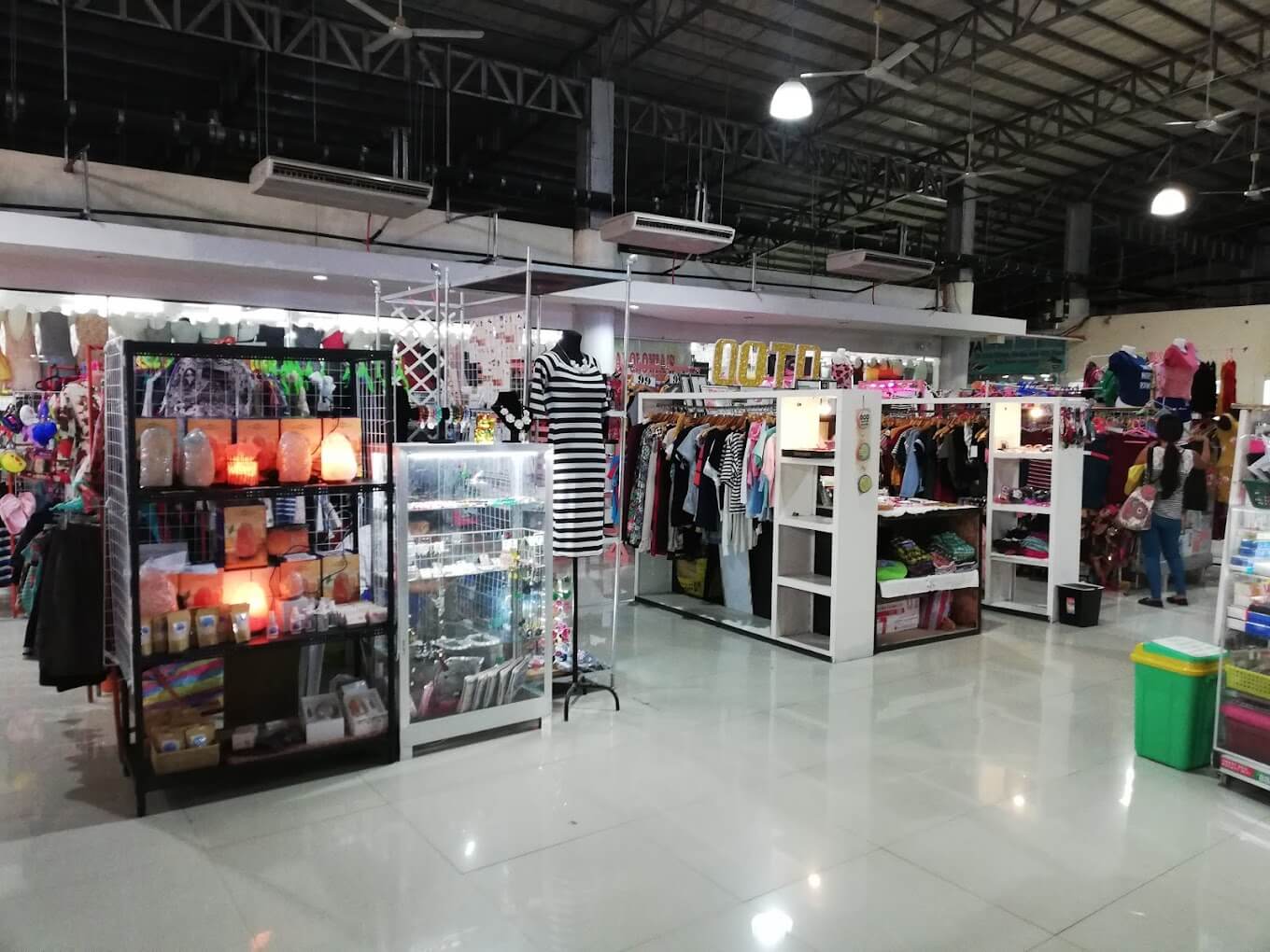
Dimiao Livelihood Center





Search


| 📌 Address | J546+MCW, Dimiao, Bohol, Philippines |
| ⏰ Opening Hours | 8:00 AM - 5:00 PM |
| 💸 Entrance Fee | Free |

The Dimiao Rafflesia Conservation Center is a specialized facility nestled in the verdant landscapes of Bohol, Philippines, dedicated to the conservation and study of the Rafflesia, a rare and extraordinary species of flowering plants. These plants are renowned for producing the largest individual flowers in the world. Notably, the species found in this center, such as Rafflesia schadenbergiana, are endemic to the Philippines and have a unique parasitic lifestyle, attaching themselves to host vines from the genus Tetrastigma.
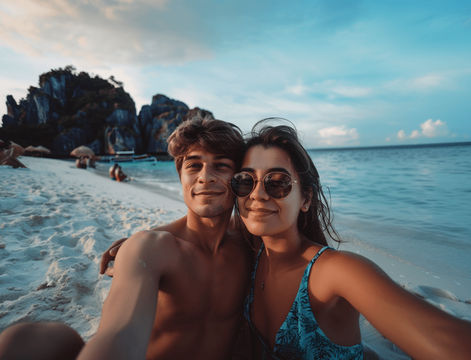
Explore El Nido in style with our Private Inland Beach Tour! Relax at Las Cabañas, Nacpan, and Lio Beach—each offering crystal-clear waters, golden sands, an...
Unlike many other botanical gardens you might be familiar with, the Dimiao Rafflesia Conservation Center doesn't just showcase plants; it plays a crucial role in protecting these floral giants from the brink of extinction. It's a place of research and environmental education where visitors can experience the majesty and mystery of Rafflesia flowers in their natural habitat.
The center is an off-the-beaten-path destination, providing an unforgettable encounter with these enigmatic blooms for those curious enough to venture here. Join me, and let’s explore the intriguing world of Rafflesias in one of the few places on Earth where these wonders thrive.
While the Rafflesia flowers have been a part of Filipino biodiversity for centuries, the Dimiao Rafflesia Conservation Center is a relatively recent development. It was established as a response to the growing awareness of the Rafflesia's endangered status and the critical need to preserve their natural habitats. Dimiao, in particular, has been recognized as a hotspot for Rafflesia because several species are found within its domain.
The center symbolizes a concerted effort by local governments, conservationists, and scientists to ensure that future generations may still witness the grandeur of the world's largest flowers. These efforts reflect a broader commitment to ecological preservation and sustainable tourism in Bohol, which is home to a diverse range of endemic species and natural attractions.
The conservation center has become a focal point for research and education, providing invaluable data on the growth patterns, ecological requirements, and conservation strategies for Rafflesia species. It has also helped to promote eco-friendly practices among locals and visitors alike, sensitizing them to the delicate balance of the ecosystem in which these flowers thrive.
The Dimiao Rafflesia Conservation Center's importance lies not only in preserving the Rafflesia species but also in its role as a beacon of biodiversity conservation. The center serves as a living library of Rafflesia genetics, ecology, and the species' interaction with its environment. Did you know that each Rafflesia flower can take up to ten months to mature from bud to bloom, and then it only lasts for a few days? It's a fleeting marvel worth protecting.

The Rafflesia's survival is precarious due to its complex life cycle and its dependence on a specific host plant to grow. By protecting these flowers, the center also safeguards the broader ecological network that sustains a variety of plant and animal life in this region. Moreover, the Rafflesia is a source of local pride and has potential for ecotourism, which can be a sustainable economic driver for communities around Dimiao.
Understanding the Rafflesia also has broader scientific implications. It's a natural laboratory that helps researchers understand parasitic plant relationships and adaptations. The center helps to coordinate global conservation efforts, serving as a critical node in the global network of botanical conservationists. And for us here, it's a reminder of the fragility and resilience of nature, teaching us valuable lessons about the importance of coexistence.
Visiting the Dimiao Rafflesia Conservation Center is an opportunity to see the Rafflesia flowers up close. The ideal time to visit is between the months of November and April, when the likelihood of catching a Rafflesia in bloom is highest. I always recommend that guests bring their cameras, as the sight of these enormous flowers is something you’ll want to capture and remember.
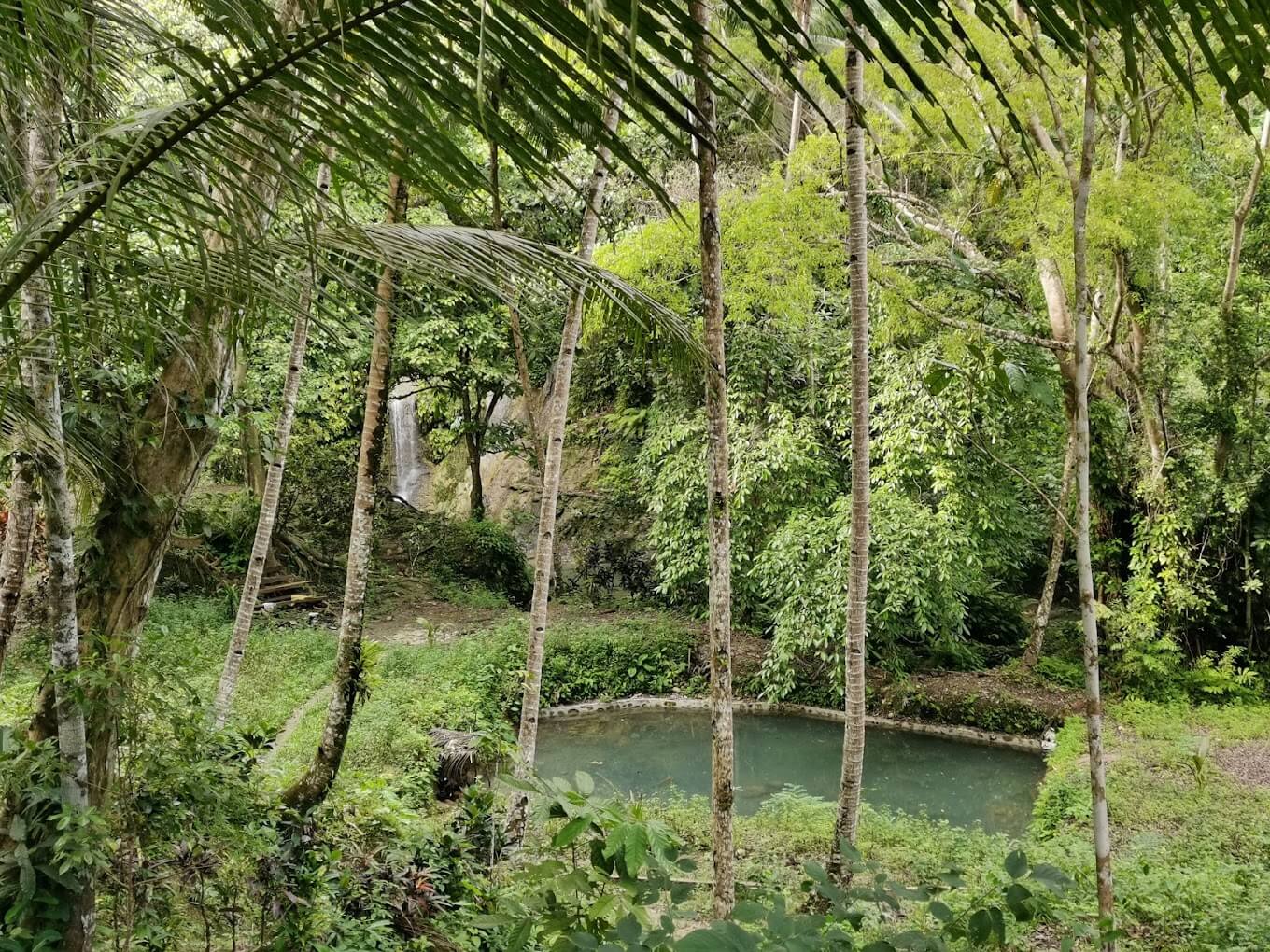
Guided tours are the way to go here, as the local guides are incredibly knowledgeable and will lead you along the trails, highlighting not only the Rafflesias but also the array of flora and fauna endemic to Bohol. You might even spot some wildlife if you're lucky. And I must say, the charm of the trek through the lush green forestry is as delightful as the destination itself.
Aside from basking in the presence of the Rafflesia, the center encourages visitors to participate in educational talks where they can learn about the plants' biology and the efforts toward their conservation. It's a beautiful learning experience for both kids and adults. And finally, before you leave, make sure to stop by the ecological exhibits which provide in-depth information on the rich biodiversity of Bohol. Here you can also find unique souvenirs that support conservation efforts—a great way to take a piece of the experience home with you.
| 📌 Address | J546+MCW, Dimiao, Bohol, Philippines |
| ⏰ Opening Hours | 8:00 AM - 5:00 PM |
| 💸 Entrance Fee | Free |
The Dimiao Rafflesia Conservation Center is a facility dedicated to the conservation and research of the Rafflesia species, particularly the Rafflesia schadenbergiana, which is known for producing one of the largest flowers in the world.
The center is located in the town of Dimiao on the island of Bohol, Philippines. It aims to protect the natural habitat of the Rafflesia flower and educate visitors about this unique and rare species.
Visitors can learn about the Rafflesia’s biology and its importance to the ecosystem, view the flowers when they are in bloom, and explore the surrounding area which may include guided tours to see the flowers in their natural habitat.
The blooming of Rafflesia flowers is not season-specific but is sporadic throughout the year. Therefore, it is best to check with the center before visiting to increase the chances of seeing a flower in bloom.
Yes, there may be a nominal entrance fee to support the conservation efforts. Visitors are expected to follow guidelines to protect the delicate Rafflesia flowers and their habitat, such as sticking to designated paths and not touching the flowers.