+1 617 404 2125
Boston Harborwalk




Search



| 📌 Address | Boston Wharf Rd, Boston, MA 02210, USA |
| ⏰ Opening Hours | 8:00 AM - 5:00 PM |
| 💸 Entrance Fee | Free |

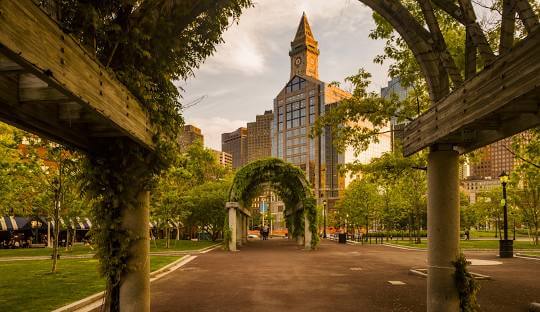
Imagine a path that skirts the water's edge, bridging the modern bustle of city life with the timeless rhythm of the tides. This is the Boston Harborwalk, a public walkway that unfurls alongside the shores of Boston Harbor. Sprawling over 43 miles, the Harborwalk meanders through various neighborhoods, from Charlestown to Dorchester, offering an intimate glimpse of the city's maritime soul. Along this pathway, you'll encounter parks, art installations, cafes, and historical sites, each narrating a different chapter of Boston’s coastal story.

Step back in time on our Boston Walking Tour! Explore iconic landmarks like Boston Commons, Paul Revere’s House, and the Old North Church with a friendly loca...
As an integral part of the city's landscape, the Harborwalk serves both as a recreational haven and a functional conduit, connecting locals and visitors alike with the waterways that have shaped Boston’s identity. Whether you fancy a leisurely stroll, a brisk run, or are simply seeking a quiet spot to drink in the views of the Atlantic, the Harborwalk caters to all, wrapped in the charisma of its urban-coastal setting.
The genesis of the Boston Harborwalk dates back to the 1980s, a visionary project conceived to revitalize Boston's waterfront. Confronted with a coastline that had been largely inaccessible due to industrial use and urban development, the city sought to reclaim this precious space for public enjoyment. Over the decades, the Harborwalk has evolved, shaped by community efforts, thoughtful urban planning, and environmental restoration.
It's a manifestation of the city's commitment to inclusivity and open space, birthed from the era when Boston decided that its shores should be shared and celebrated, not concealed. The Harborwalk's growth has been marked by partnerships between private property owners, public agencies, and community advocates, who together have worked to stitch this linear park into Boston's urban fabric.
As someone with a deep-seated affinity for this city, I've watched the Harborwalk become not just a pathway, but a living timeline, where historic wharfs and contemporary structures coalesce. It's a testament to the city's forward-thinking approach to urban design and a chronicle of its ever-evolving relationship with the sea.
Boston Harborwalk isn't just a scenic detour; it's a vital artery in the city's urban ecosystem. It's a platform where the narrative of Boston's maritime history is told, where the preservation of public waterfront space is practiced, and where the community's connection with the natural environment is reinforced.
This ribbon of walkway is important for its ability to integrate urban life with nature, providing an essential recreational space for city dwellers. It brings to life the concept of a "living shoreline"—an interactive space where land and water coexist harmoniously, and where the health of the ecosystem is continually nurtured.
As the Harborwalk threads through historic districts and emerging neighborhoods, it serves as a cultural conduit, elevating the value of waterfront access and engaging citizens in the ongoing narrative of their city. These aspects underline the importance of the Harborwalk as more than a pathway—it's a bridge to the living history and ecological presence of Boston Harbor.
Undoubtedly, the activities along the Boston Harborwalk are as diverse as the sections of the trail itself. At the northern end, you'll find the USS Constitution and the accompanying museum in Charlestown Navy Yard, where American naval history comes vividly to life.
Move along to the central waterfront, and one can explore the New England Aquarium or hop on a harbor cruise. There's also the Institute of Contemporary Art, a bastion of modern art, housed in an architecturally striking building overlooking the water.
In East Boston, the Piers Park offers some of the most stunning panoramic views of the downtown skyline, a perfect backdrop for photographers and romantic strolls. Meanwhile, further down the trail, in the Seaport District, green spaces like the Martin's Park and the Lawn on D provide vibrant urban oases for picnics and outdoor activities.



Interspersed among these attractions are numerous eateries and pop-up installations, enhancing the Harborwalk experience. For birdwatchers and nature enthusiasts, the Belle Isle Marsh Reservation presents a serene escape, transporting visitors into an urban wild that's teeming with life. And let's not overlook the smaller historical plaques and public artworks that dot the Harborwalk, which together weave a fabric of stories awaiting discovery.
Regardless of your interests, the Boston Harborwalk offers a slice of Boston that is rich in experience and steeped in the essence of the city. It's a place where every step charts a course through history, culture, and nature—a true urban odyssey. The best part? The unfolding chapters of this journey are written by those who walk it, as the Harborwalk is a living entity, ever-changing with the tides and the tales of the people who cherish it.
| 📌 Address | Boston Wharf Rd, Boston, MA 02210, USA |
| ⏰ Opening Hours | 8:00 AM - 5:00 PM |
| 💸 Entrance Fee | Free |
The Boston Harborwalk is a public walkway that follows the edge of piers, wharves, beaches, and shoreline around Boston Harbor, providing access to the water's edge and connecting various neighborhoods and attractions.
The Boston Harborwalk spans about 43 miles along Boston's waterfront, offering views of the harbor and access to many of the city's historical and cultural sites.
Yes, the Boston Harborwalk passes by several historical sites, such as the USS Constitution, the Boston Tea Party Ships and Museum, and the Paul Revere House, reflecting Boston's rich maritime history.
Yes, there are numerous restaurants and cafes along the Boston Harborwalk, offering a variety of dining options with scenic views of the harbor.
Visitors can enjoy a range of activities along the Boston Harborwalk, including boat tours, sailing, fishing, visiting parks and playgrounds, and attending seasonal events and festivals.