+1 617 404 2125
Fort San Pedro




Search


| 📌 Address | 7WR4+X7J, A. Pigafetta Street, Cebu City, 6000 Cebu, Philippines |
| ⏰ Opening Hours | 8:00 AM - 5:00 PM |
| 💸 Entrance Fee | PHP 30 |

Immersed in the heart of Cebu City, Philippines, Fort San Pedro serves as a silent sentinel of history, guarding secrets of the past with its ancient walls. This military defense fortress, triangular in shape, stands as a significant landmark representing the Spanish colonization in this part of the world. It is not just any fort; it's a cultural symbol, a museum, and a park all at once, housed within the city known as the Queen City of the South.

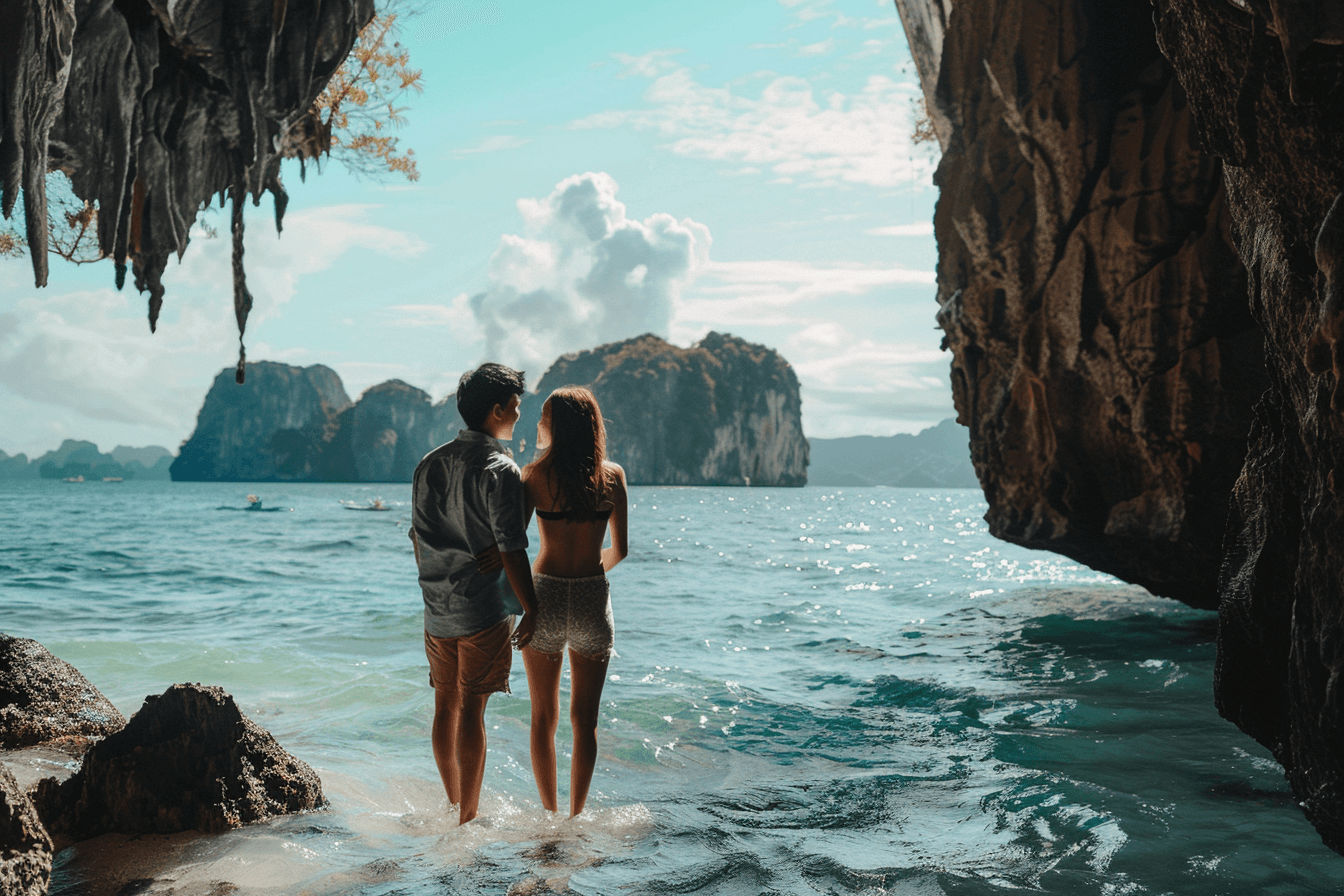
Experience El Nido's beauty on our Private Small Lagoon & Beach Lovers Tour (Tour D)! Visit stunning spots like Small Lagoon, Cadlao Lagoon, Nat Nat Beach, and ...
Fort San Pedro isn't just a quick tourist stopover. It's an encapsulation of a bygone era, offering a serene escape from the bustling city life surrounding it. The moment you step through its gates, you're transported to the 17th century, where history whispers from each cannon and corner of its storied bastions.
The foundations of Fort San Pedro date back to 1565, built under the command of Miguel López de Legazpi, the first Spanish governor of the Philippines. What started as a simple wooden structure, intended to fend off native uprisings and protect Spanish galleons from pirates, evolved over time into the bastion of stone it is today. It’s a living piece of history that’s witnessed not just military action but also the changing governance of Cebu, transitioning from Spanish to American hands, and finally to the Filipinos themselves.
The fort has seen transformations throughout its existence. It’s been a stronghold, a prison, a city zoo, and since 1937, a museum. The walls of this fort have stories to tell — tales of wars, surrenders, and peacetime tasks. As Cebuanos, we've lived with these stories; they were told to us by our grandparents, and they form a tapestry of our shared heritage.
Fort San Pedro is an emblem of resilience and history. It represents Cebu's strategic role in the Philippines' maritime history, as well as the diverse colonial influences that have shaped our city's character. Cebuanos revere this landmark as a tangible memory of the struggles and triumphs that have marked our storied past. It's a poignant reminder of the tumultuous history we've endured — from indigenous resistance to foreign occupation, and ultimately, our journey toward independence and self-governance.
But its importance isn't just rooted in history. For locals and visitors alike, Fort San Pedro is a cultural hub, a place where education and relaxation converge. It's where students come to learn about the Philippines' colonial past, where artists find inspiration, and where families enjoy tranquil afternoons amid the gardens and ruins.
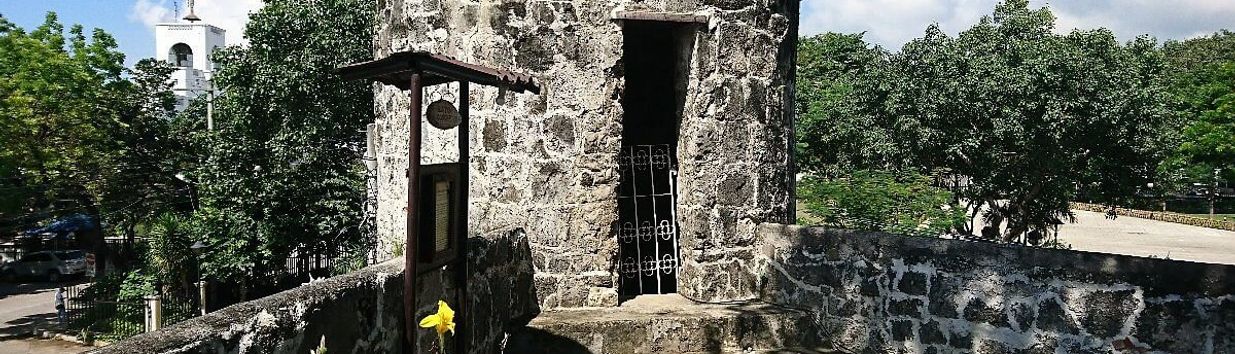
Once inside the fort, a wealth of activities awaits. Walk along the ramparts and touch the canons once used to defend the city. Admire the well-preserved architecture, which is a mix of Spanish and indigenous designs, a reminder of the collaboration and conflict that defined the era. Inside the museum, you can peruse an eclectic collection of artifacts ranging from Spanish documents, paintings, sculptures, and antique weaponry — each with its own story to tell.

The inner courtyard, with its verdant garden, provides a picturesque setting for a leisurely stroll or a restful break. Plaques around the fort give you a self-guided tour of the history of Cebu and its pivotal moments. And though the hustle and bustle of Cebu City envelops the fort, within its walls, there’s an undeniable sense of peace that allows for reflection on the complexities of history and heritage.
For those with a keen interest in photography, Fort San Pedro is a dream. The contrast of the old stone against the vibrant greenery, the way light plays through the iron grates, and the panoramic views of the city from the top of the bastions — these are the sorts of scenes that beg to be captured and remembered.
| 📌 Address | 7WR4+X7J, A. Pigafetta Street, Cebu City, 6000 Cebu, Philippines |
| ⏰ Opening Hours | 8:00 AM - 5:00 PM |
| 💸 Entrance Fee | PHP 30 |
Fort San Pedro is a military defense structure in Cebu, built by the Spanish under the command of Miguel López de Legazpi, the first governor of the Captaincy General of the Philippines. It is the oldest triangular bastion fort in the country.
Fort San Pedro is located in the area now called Plaza Indepedencia, in the city of Cebu, Philippines.
Visitors can explore the fort's walls, the museum that showcases Spanish artifacts, paintings, and sculptures, and walk through the well-maintained garden that surrounds the fort.
Fort San Pedro is a landmark of Filipino history, serving as a symbol of the Spanish period in the Philippines and a testament to the country's lengthy colonization.
Yes, there is a minimal entrance fee required for visitors to enter Fort San Pedro, which is used for the maintenance and conservation of the historic site.