+1 617 404 2125
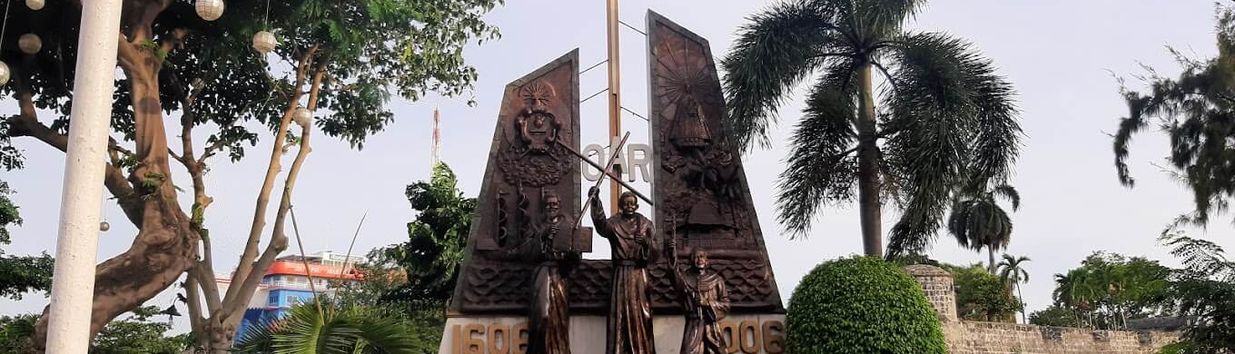
Plaza Independencia




Search


| 📌 Address | CSCR Tunl, Cebu City, 6000 Cebu, Philippines |
| ⏰ Opening Hours | 8:00 AM - 5:00 PM |
| 💸 Entrance Fee | Free |

Plaza Independencia is more than just a public square in the heart of Cebu City; it's a canvas of the city's heritage and a testament to the Visayan spirit. Surrounded by strong fortifications of Fort San Pedro and marked with an obelisk at its center, this plaza breathes the air of history and culture amidst modernity. The plaza has witnessed centuries roll by from the Spanish era to the present day, each leaving its indelible mark.
It's a place where locals converge for relaxation and social events, and where you can truly grasp the essence of Cebuano life. From the laughter of children playing to the slow pace of elder strollers, this is where city's pulse can be felt most vibrantly.
Discover the very best of Manila in just one day with our Ultimate Manila Discovery Tour! Step inside the historic walls of Intramuros, pay tribute at Rizal Par...
The origins of Plaza Independencia are closely tied to the historic Fort San Pedro, the oldest and smallest Spanish outpost in the Philippines. Initially, the plaza was known as 'Plaza de Armas,' an open space designated for military exercises in the 17th century. But don’t let its peaceful demeanor today fool you; it has been, over the centuries, witness to significant tumults and triumphs for the nation.
In the late 19th to early 20th century, the plaza became 'Plaza Libertad' following the proclamation of Philippine independence from Spain. The name "Independencia" reflects the Filipinos' aspirations and unyielding spirit for freedom. The plaza was not just an observer but participated in the rich narrative of Cebu, from Spanish colonization to the saga of national hero Dr. Jose Rizal's visit, and even the American occupation.
Plaza Independencia is a cornerstone of Cebuano identity. As Cebu is often recognized as the birthplace of Christianity in the Far East, the plaza juxtaposes this religious milestone with the secular quest for self-governance and self-determination that defined the Filipino nation. Each cobblestone path, each carefully tended garden, and the very air seems to whisper stories of the past to anyone who walks here.
Moreover, the importance of Plaza Independencia can also be seen through its daily role in the lives of Cebuanos. It's a melting pot where various socio-economic classes merge, highlighting the societal fabric of Cebu. It's where history isn't just a lesson from the books but a lived experience – for me, and for everyone who has ever called Cebu home.
Meandering through Plaza Independencia, there is an array of activities to engross yourself in. Breathe in the serenity in the early mornings with Tai Chi practitioners, or visit in the evenings when the plaza comes alive with local vendors and musicians. The stark white obelisk dedicated to the Philippines' first national hero, Lapu-Lapu, offers a connection to the country’s pre-colonial history.
For history buffs and the curious-minded, a visit to Fort San Pedro provides an intimate look into the military architecture of the Spanish era. Strolling around, you'll notice the well-maintained lawns perfect for picnics and paths ideal for joggers and cyclists. While here, try to discover the site's secret corners – telltale traces of the diverse cultural imprints left by previous colonizers.

| 📌 Address | CSCR Tunl, Cebu City, 6000 Cebu, Philippines |
| ⏰ Opening Hours | 8:00 AM - 5:00 PM |
| 💸 Entrance Fee | Free |
Plaza Independencia is a historic public square in Cebu, known for its significance in Philippine history and its role as a popular gathering place for locals and tourists alike.
Plaza Independencia is located in the heart of Cebu City, adjacent to the Cebu Port Area and near the famous Fort San Pedro.
Plaza Independencia has played a major role in Philippine history, serving as a symbol of independence and freedom from Spanish, American, and Japanese colonizers at different points in time.
Yes, there are several key landmarks, including the Obelisk dedicated to Legazpi, the first Spanish governor-general of the Philippines, and the Independence Flagpole, among others.
Visitors can enjoy a variety of activities at Plaza Independencia such as picnicking, relaxing in its verdant gardens, attending public events and cultural shows, or simply taking a leisurely walk around the area.