+1 617 404 2125
Santo Nino Church




Search


| 📌 Address | VFGG+2QM, Moalboal, Cebu, Philippines |
| ⏰ Opening Hours | 8:00 AM - 5:00 PM |
| 💸 Entrance Fee | Free |

The Santo Niño Church, formally known as the Basilica Minore del Santo Niño, holds a special place in the heart of Cebu City. It's not just any church, but a historical and religious landmark where the antique image of the Santo Niño de Cebu, the Holy Child Jesus, is enshrined.
This venerable structure is renowned for its significant role in Philippine Christianity, actively serving as a place of worship and pilgrimage for both locals and travelers from around the globe. Have you ever felt the fervor of faith permeate through ancient walls? That's what a visit to Santo Niño Church is like—I assure you, it's a spiritual experience unlike any other.

Experience El Nido's beauty on our Private Small Lagoon & Beach Lovers Tour (Tour D)! Visit stunning spots like Small Lagoon, Cadlao Lagoon, Nat Nat Beach, and ...
The history of Santo Niño Church is intertwined with the very birth of Christianity in the Philippines. Erected on the very spot where the image of Santo Niño, gifted by the explorer Ferdinand Magellan to Queen Juana of Cebu in 1521, was found after a fire in 1565, the church stands as a testament to the resilience of faith.
To the uninitiated, it might seem like just an old building, but every stone and mural tells a story of colonialism, trade, and the syncretism of indigenous beliefs with Catholicism. The original church was constructed under the command of Miguel Lopez de Legazpi, the Spanish leader who colonized the islands, making it the oldest Roman Catholic church established in the country.
Did you know that the church has weathered not only centuries but also numerous natural disasters? Through earthquakes and fires, it has been rebuilt and renovated several times, each event adding a layer to its long narrative, culminating in its declaration as a basilica minore by Pope Paul VI in 1965.
Santo Niño Church is more than just a historical monument; it's the spiritual heart of Cebu and even considered the cradle of Christianity in Asia. The church's significance lies in its representation of the enduring nature of faith amidst adversity and change. It symbolizes the syncretization of Catholic rituals with Filipino traditions, making it a unique blend of cultures.
The annual Sinulog Festival, which is one of the most colorful and vibrant festivals in the Philippines, originates from here. The festival is held in honor of the Santo Niño and is marked by street parades, dances, and a grand procession. It's a sight to behold, with devotees and revelers alike lost in the rhythmic drum beats and the chants of 'Pit Senyor!' Can you imagine the streets pulsating with energy and dressed in a kaleidoscope of colors?
Furthermore, the Santo Niño image itself is deeply revered among Filipino Catholics. It's believed to be miraculous, and many devotees attribute personal miracles to the Santo Niño, further engraining the church's importance in their spiritual life. This adds an intimate, palpable layer to its significance, doesn't it?
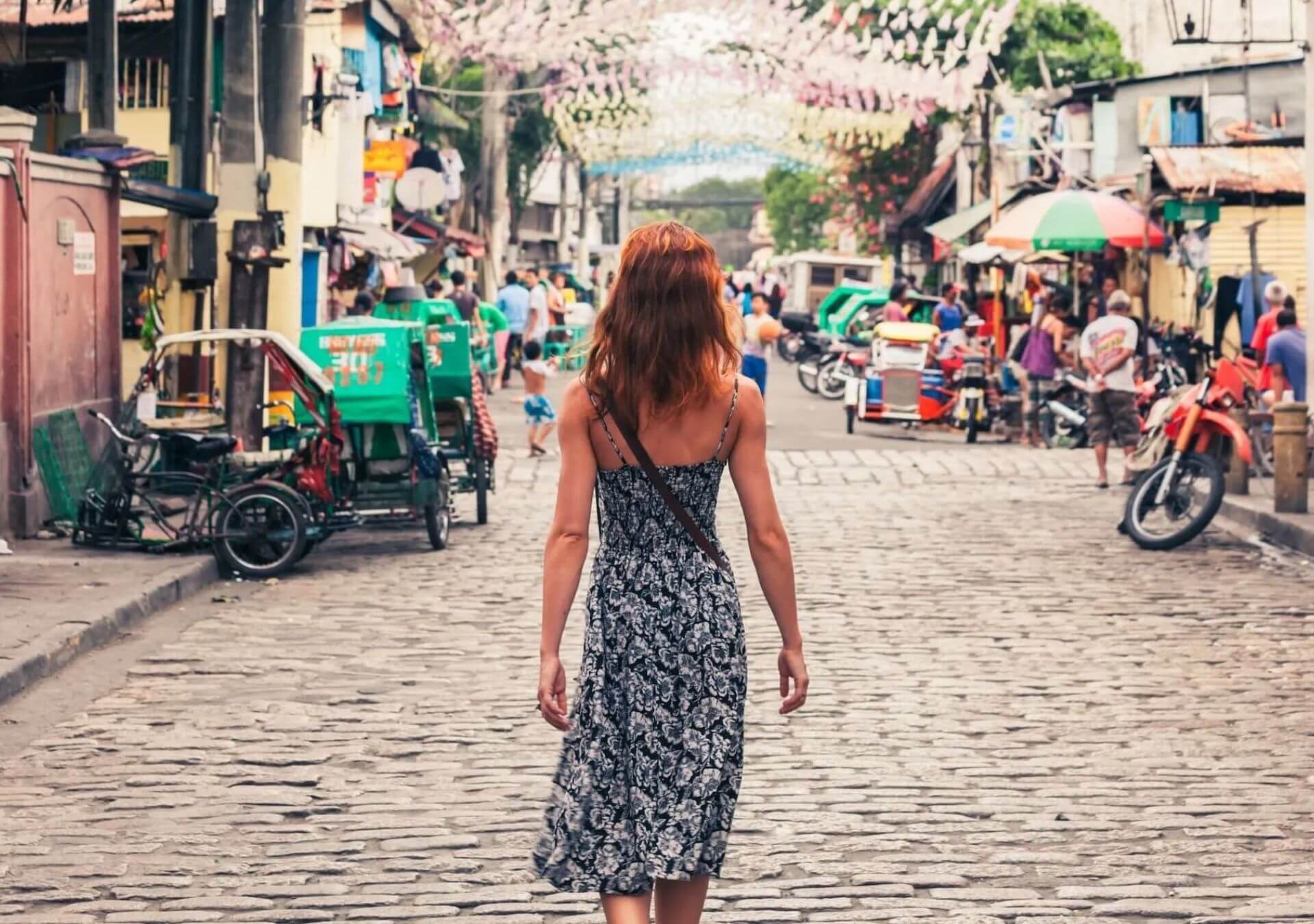

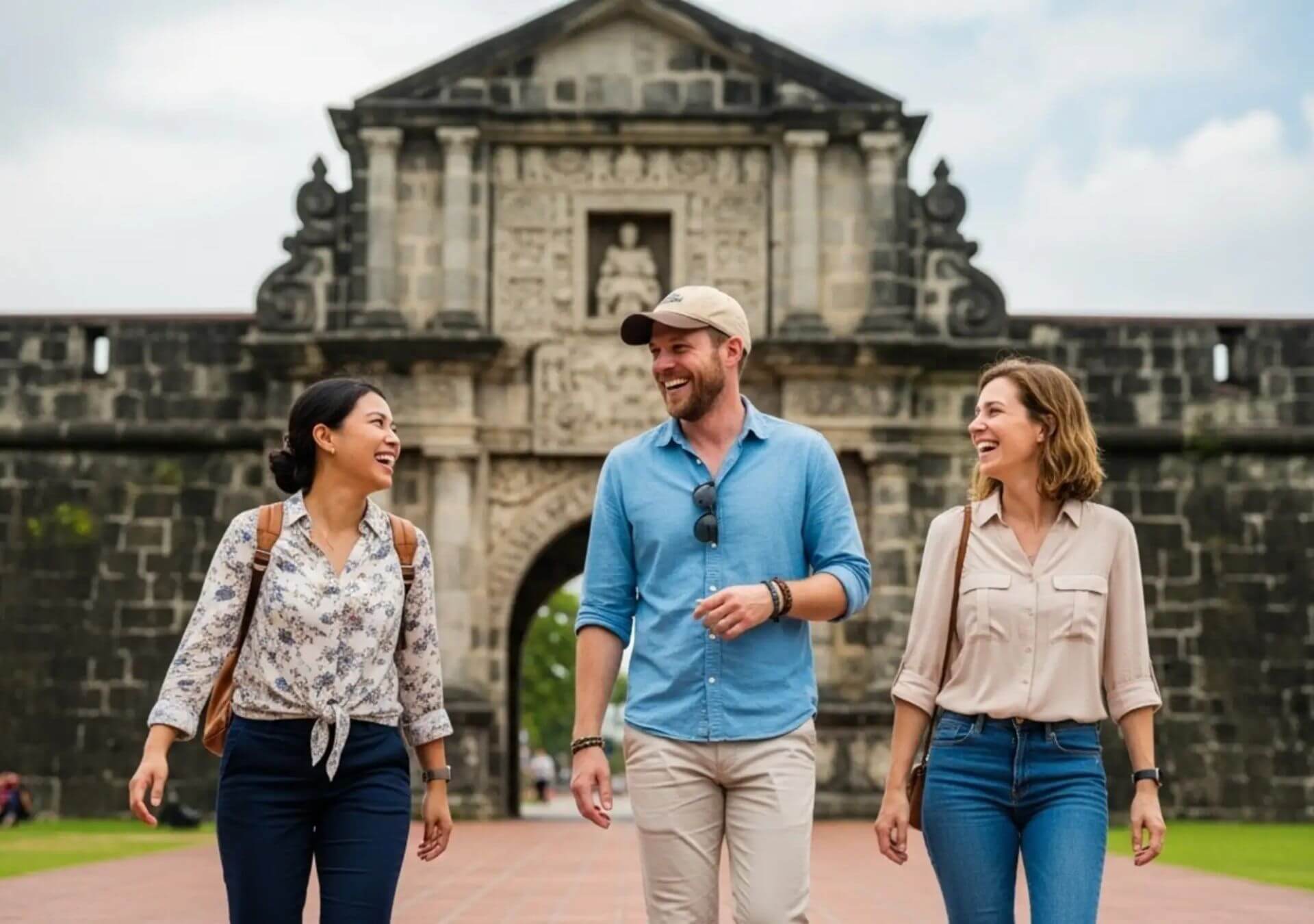
Visiting Santo Niño Church, you'd be stepping into a repository of spiritual heritage and artistry. First and foremost, the Magellan's Cross, housed in a chapel adjacent to the basilica, is a must-see. This is a symbol of the beginning of Christianity in the Philippines, and the cross presented by Magellan is encased within another wooden cross for protection and commemoration. It's a moment to reflect on a pivotal point in history, don't you think?
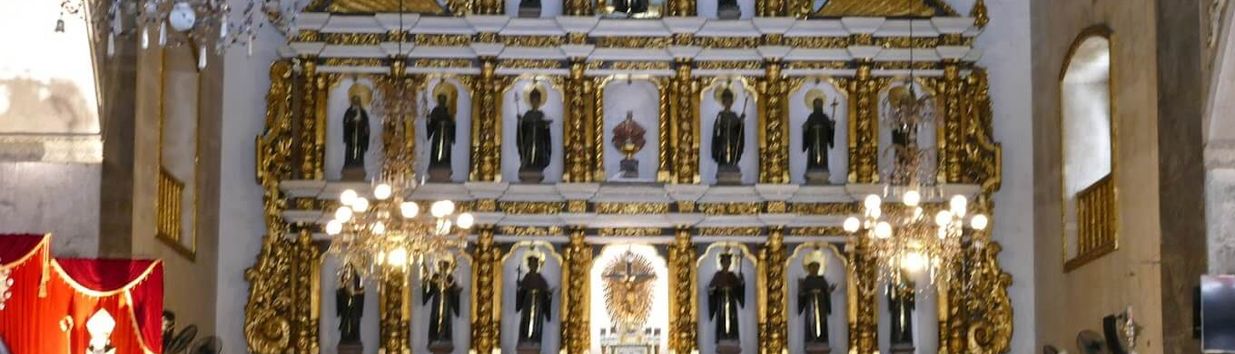
Inside the church, the religious art and architecture offer a feast for the eyes. The painted ceilings, the gilded altar, and the centuries-old Santo Niño statue itself are key highlights. You can also participate in the novena masses, especially on Fridays, which sees an influx of devotees attending the mass and offering prayers, a tradition that has been ongoing for generations. Have you ever witnessed a sea of candles flickering with the whispered prayers of the faithful?
Additionally, the museum inside the basilica complex houses a collection of religious artifacts, vestments, and old furniture that give insights into the church's storied past. Outside, the surrounding area buzzes with local vendors selling candles, religious figurines, and a variety of local snacks to savor. End your visit with a quiet stroll in the courtyard, where the sound of the fountain mingles with the city's hum, allowing for a meditative respite before stepping back into the bustle of Cebu.
| 📌 Address | VFGG+2QM, Moalboal, Cebu, Philippines |
| ⏰ Opening Hours | 8:00 AM - 5:00 PM |
| 💸 Entrance Fee | Free |
The Santo Niño Church, also known as the Basilica Minore del Santo Niño, is one of the oldest and most significant churches in the Philippines. It houses the revered statue of the Santo Niño, a representation of the infant Jesus Christ, which is a celebrated religious relic believed to have miraculous powers.
The Santo Niño Church is located in the heart of Cebu City, Philippines. It is situated on Osmena Boulevard and is a prominent landmark and place of worship in the city.
The Mass times at Santo Niño Church can vary, but typically there are multiple services throughout the day, including early morning and evening Masses. It is recommended to check the official website or contact the church directly for the most current schedule.
Yes, visitors are welcome to tour the Santo Niño Church when Mass is not in session. The church features historical architecture and religious artifacts that attract tourists and pilgrims alike.
Photography inside the Santo Niño Church is generally permitted, but it is advised to be respectful and discreet, especially during Mass or other religious ceremonies. Flash photography may be prohibited to preserve the solemn atmosphere and to protect delicate art and relics.