+1 617 404 2125
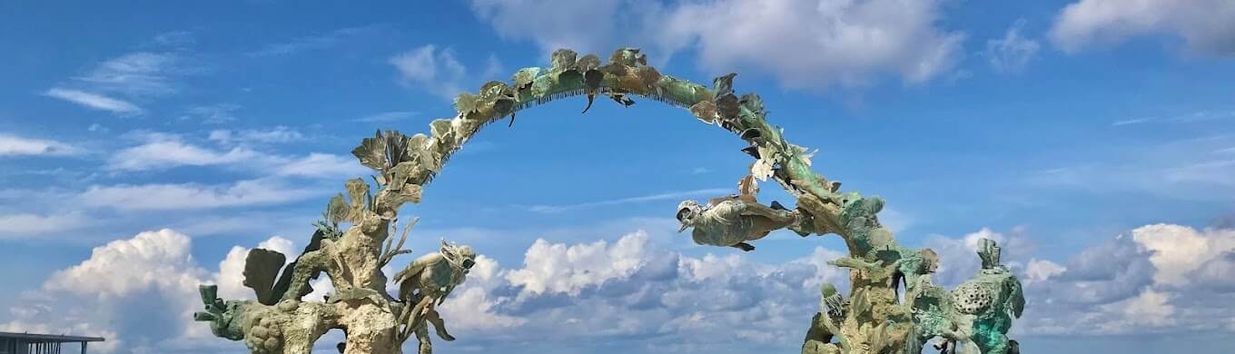
Coral Reefs Monument




Search


| 📌 Address | Avenida General, Av. Rafael E. Melgar 101, Centro, 77600 Cozumel, Q.R., Mexico |
| ⏰ Opening Hours | 8:00 AM - 5:00 PM |
| 💸 Entrance Fee | Varies |

Immerse yourself in the natural beauty and underwater marvels at Cozumel's Coral Reefs Monument. This isn't just any typical attraction—it's an aquatic sanctuary, a vivid tapestry where nature's most vibrant colors come alive beneath the waves. Here at Cozumel, a picturesque island off the Caribbean coast of Mexico, the Coral Reefs Monument signifies a protected area where the coral reef ecosystems are preserved, allowing a plethora of marine life to thrive. This place holds a special spot in the hearts of divers, snorkelers, and marine biologists for its rich biodiversity and breathtaking underwater landscapes.

We couldn't make our Mexico City tours without thinking about the foodies! They say that food is a window to a culture's soul, and we have to agree; our Mexico ...
When we speak of the Coral Reefs Monument, we're talking about more than just corals. It's an intricate ecosystem that supports a wide variety of species, including endangered ones. It's not merely the corals that you visit; it's an entire underwater world you experience. The monument area includes several reefs, each with its own unique qualities and residents, from the famous Palancar Reef to the lesser-known, yet equally enthralling, Colombia Reef.
The history of Cozumel's Coral Reefs Monument is as rich and textured as the reefs themselves. Cozumel has been a beacon for marine life and those who wish to observe it for eons, but it was only in recent history that the importance of conservation efforts has come to the forefront. The region gained a considerable amount of attention in the 1960s when famed oceanographer Jacques Cousteau declared the waters around Cozumel to be one of the most beautiful scuba diving areas in the world. This spotlight ignited the island's popularity as a diving destination.
However, with popularity came the increased responsibility to protect these fragile ecosystems. Recognizing the need for conservation, local and federal authorities began to take steps to preserve this marine haven. The establishment of the Reefs National Marine Park of Cozumel in 1996 marked a significant effort to safeguard the reefs. The park includes a major portion of the Mesoamerican Reef System, the second-largest barrier reef system in the world, and by extension, the Coral Reefs Monument within it. Thanks to ongoing conservation initiatives, the monument and surrounding reefs continue to be a sanctuary for marine biodiversity.
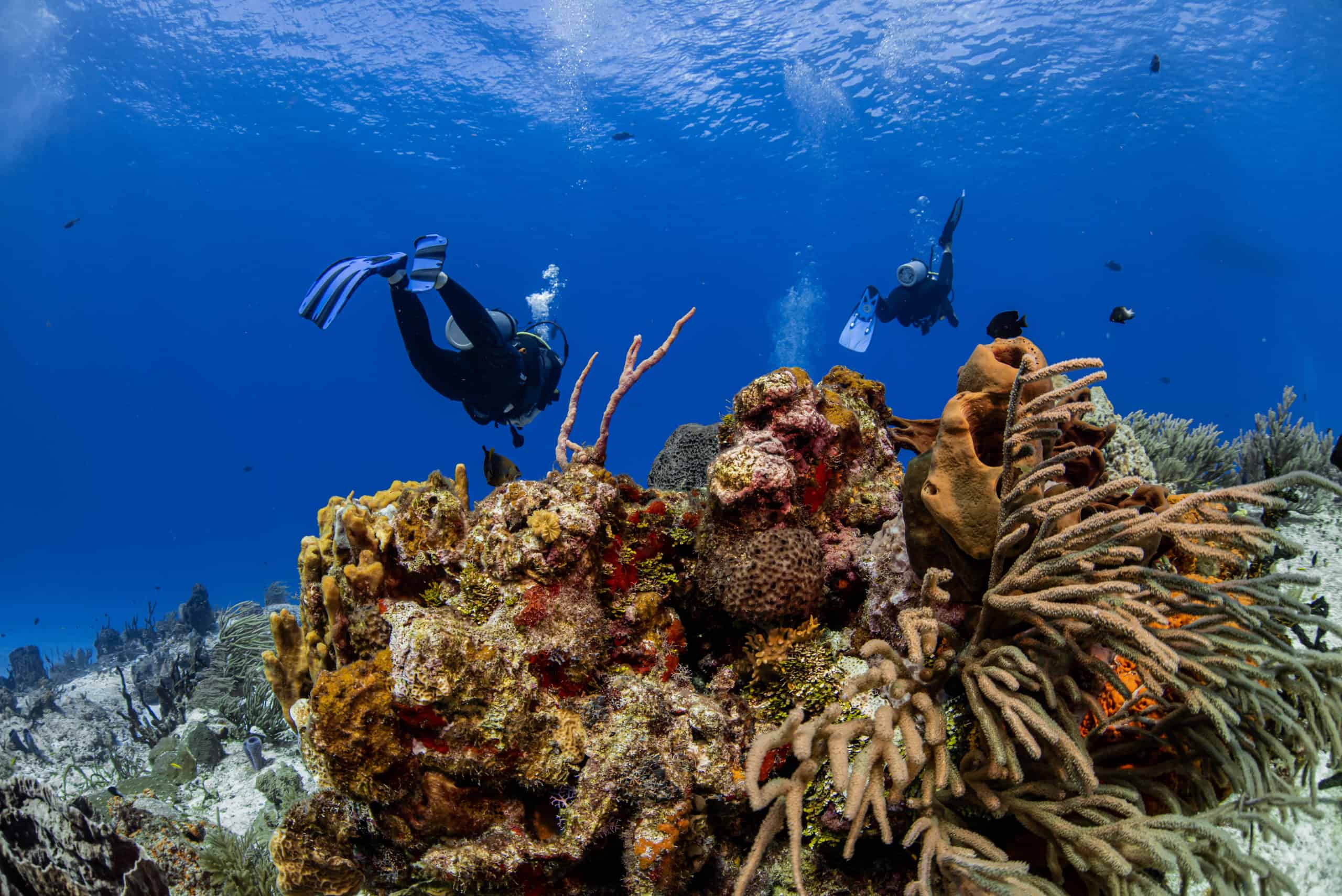
The importance of the Coral Reefs Monument extends beyond its spectacular visual appeal. Biologically, coral reefs are known as the "rainforests of the sea" for their astonishing biodiversity. The reefs around Cozumel host a myriad of marine creatures, from the tiniest of colorful reef fish to turtles, nurse sharks, and even eagle rays. This biodiversity turns the area into a living laboratory that allows scientists to study marine life and the effects of environmental change.
Culturally and economically, the Coral Reefs Monument is a cornerstone for Cozumel. It attracts tourists from around the world, providing livelihood for local communities through ecotourism and related industries. This in turn fosters a deep-rooted connection between the locals and their environment, encouraging conservation efforts. The health of the reefs is directly tied to the island's well-being, emphasizing why preserving them isn't merely an ecological desire but a socioeconomic necessity.
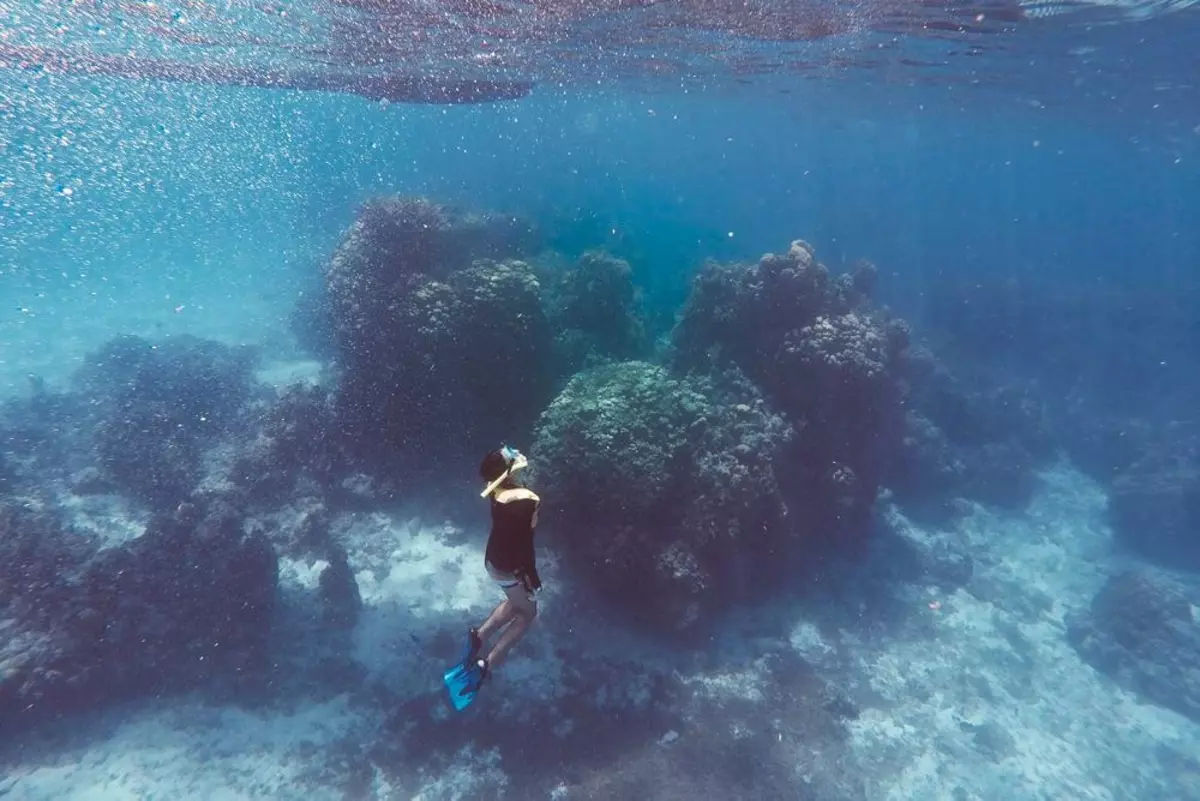
Visiting the Coral Reefs Monument is a must-do for anyone coming to Cozumel. For starters, diving and snorkeling are the most popular activities. With clear visibility often exceeding 100 feet, you can explore the vibrant underwater landscapes that are teeming with life. For those certified, diving into the deeper reefs will reveal larger sea creatures and the mesmerizing topography of the ocean's floor, including dramatic drop-offs and underwater caverns.


But there's more than just diving. If you prefer to stay above the surface, glass-bottom boat tours are a fantastic way to observe the magic of the reefs without getting wet. These boats allow you to gaze into the underwater world, marveling at its wonders in comfort. Moreover, educational tours with marine biologists can deepen your understanding of the reefs' ecosystems and their significance to our planet's health.
On land, there are plenty of activities too. You can visit the local museum to learn about the history and science of the reefs or take part in conservation programs that might include beach clean-ups or seminars on sustainable tourism. After a day spent underwater or learning about the marine environment, you can relax on the island's pristine beaches, watch the sunset paint the sky, and understand why Cozumel's Coral Reefs Monument is a cherished gem in the Caribbean Sea.
| 📌 Address | Avenida General, Av. Rafael E. Melgar 101, Centro, 77600 Cozumel, Q.R., Mexico |
| ⏰ Opening Hours | 8:00 AM - 5:00 PM |
| 💸 Entrance Fee | Varies |
The Coral Reefs Monument in Cozumel is a tribute to the island's rich marine life, particularly celebrating the vibrant coral reefs that are a cornerstone of the local ecosystem and a major attraction for divers and snorkelers.
Tourists can visit the Coral Reefs Monument by participating in guided diving or snorkeling tours that take them to the protected marine areas where they can witness the beauty of the coral formations up close.
Yes, Cozumel is known for its efforts in marine conservation, and there are multiple initiatives in place to protect the coral reefs, including education programs, regulated diving practices, and research activities.
Visitors to the Coral Reefs Monument can expect to see a diverse array of marine life, including colorful fish, sea turtles, rays, and the intricate coral structures that make up the reefs themselves.
The best time to visit the Coral Reefs Monument in Cozumel is during the dry season, from November to April, when the weather is more favorable for diving and visibility underwater is at its best.