+1 617 404 2125
Cozumel Reefs National Park




Search


| 📌 Address | Av. Rafael E. Melgar 600, Centro, 77600 Centro, Q.R., Mexico |
| ⏰ Opening Hours | 8:00 AM - 5:00 PM |
| 💸 Entrance Fee | Varies |

Cozumel Reefs National Park, known locally as Parque Nacional Arrecifes de Cozumel, is a treasured marine park that spans about 120 square kilometers along the southern coast of Cozumel Island, Mexico. It's part of the Mesoamerican Barrier Reef System, the second-largest coral reef system in the world. The park features an incredible array of underwater biodiversity, including vibrant coral formations, countless species of tropical fish, sea turtles, and captivating underwater landscapes.
The park is not just a paradise for marine life; it's also a top destination for divers and snorkelers drawn by the clear turquoise waters and the rich underwater views that tap into the heart of the Caribbean's beauty. Rarely does one come across such an absorbing canvas of nature's artistry below the waves.
The Mexico City Basaltic Prisms Tour should be at the top of your list if you want to see the natural wonders of the city. Including your own tour guide and pri...
The story of Cozumel Reefs National Park is woven with the threads of conservation and the spirit of discovery. It was officially established in 1996, but long before the park was internationally recognized, the local Mayan communities were aware of the reefs' significance. The Mayans regarded the sea as sacred, and diving here is like peeking into an ancient world where nature has flourished undisturbed for millennia.
Cozumel itself served as a waypoint for Spanish galleons, pirates, and adventurers, all of whom left tales and sometimes shipwrecks, which have become part of the reefs' tapestry. The modern effort to protect this underwater eden commenced when rampant tourism growth triggered concerns over the health of the coral reefs. Local diving operators, conservationists, and the Mexican government collaboratively realized the need to preserve this marine haven, leading to the creation of the national park.
The importance of Cozumel Reefs National Park can't be overstated. Ecologically, the park is vital for the preservation of the Mesoamerican Reef and the countless marine species that call it home. It serves as a breeding ground and a safe haven for many endangered species, playing a critical role in maintaining marine biodiversity. Remember that every creature here, from the smallest polyp to the most graceful sea turtle, has an irreplaceable role in this aquatic tapestry. Can you imagine the consequences if such a place were lost?
Economically and culturally, the park is just as significant. It fuels the local economy through eco-tourism and sustainable diving operations, providing livelihoods that depend on the conservation of the reef's health. It's also a pivotal point for research and education, teaching us about the delicate balance of marine ecosystems and the actions needed to preserve them. For many, it's an underwater cathedral, a place that inspires and reminds us of our responsibility to protect the planet's natural wonders.
When you dip beneath the surface at Cozumel Reefs National Park, you are greeted by a world filled with enchanting sights. Palancar Reef, one of the park's most famous sites, offers divers and snorkelers dramatic drop-offs, tunnels, and an intricate coral landscape to explore. The Santa Rosa Wall is another must-visit, with its sponge-covered vertical drop that is home to large pelagics and the occasional shark.
At Colombia Reef, you can glide along vibrant coral gardens and maybe even spot turtles and eagle rays. Moreover, the lesser-known Punta Sur includes the hauntingly beautiful Devil's Throat dive site, a deep underwater cavern teeming with marine life. But remember, while swimming among these natural marvels, always respect the fragile coral and its inhabitants.
Aside from the underwater exploration, Cozumel Reefs National Park's conservation initiatives sometimes allow for unique volunteer opportunities. You could engage in coral restoration projects or sea turtle monitoring programs. And above water, don't miss the chance to relax on the pristine beaches or take a guided kayak tour through the mangroves, where the land meets the sea in a quiet dance of ecological harmony.



| 📌 Address | Av. Rafael E. Melgar 600, Centro, 77600 Centro, Q.R., Mexico |
| ⏰ Opening Hours | 8:00 AM - 5:00 PM |
| 💸 Entrance Fee | Varies |
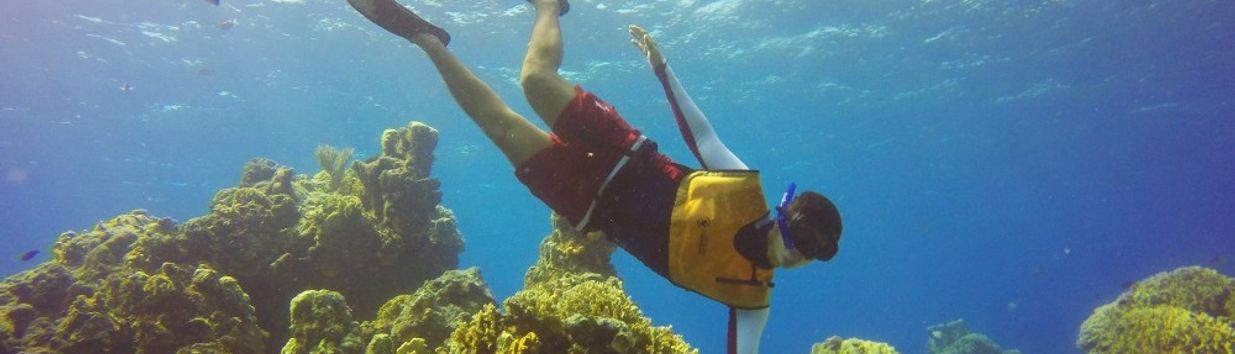
Visitors at Cozumel Reefs National Park can enjoy snorkeling and scuba diving to explore the vibrant marine life, coral formations, and underwater landscapes. The park is renowned for its clear waters and diverse aquatic species.
Yes, divers are generally required to have a permit to dive in the protected areas of Cozumel Reefs National Park. The permits are often obtained through authorized dive shops and tour operators on the island.
The best time to visit Cozumel Reefs National Park for diving and snorkeling is from March to June when the weather is warm and the water conditions are most favorable for underwater visibility.
Yes, there is typically an entry fee for Cozumel Reefs National Park. The fees contribute to the conservation efforts and maintenance of the park. Fees may vary and should be confirmed with local tour operators.
Cozumel Reefs National Park is home to an array of marine life including colorful tropical fish, sea turtles, nurse sharks, eagle rays, coral species, and occasional sightings of larger marine animals like dolphins and whale sharks.