+1 617 404 2125
Faro de Punta Celarayn




Search


| 📌 Address | Carr. Costera 17782, 77686 Q.R., Mexico |
| ⏰ Opening Hours | 9:00 AM - 4:00 PM |
| 💸 Entrance Fee | Free |
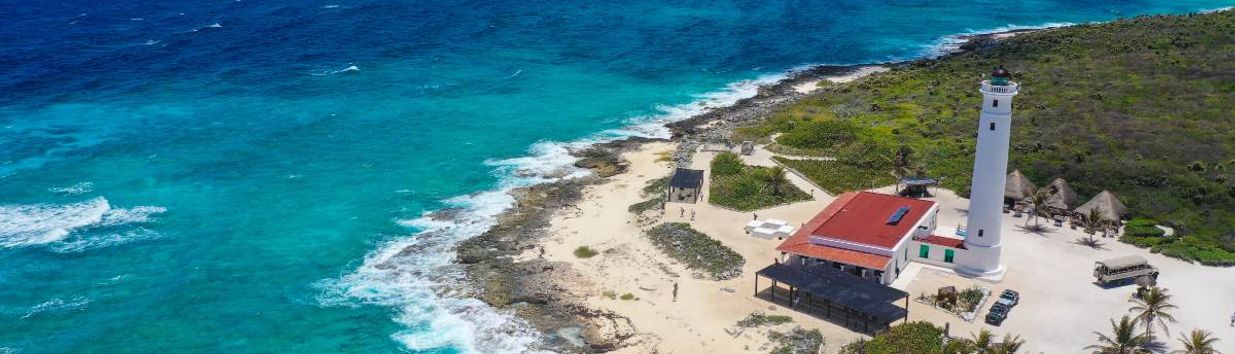
Faro Celerain Eco Park, also known as Punta Sur Eco Beach Park, is a natural reserve located at the southern tip of Cozumel, a beautiful island in the Caribbean Sea off the eastern coast of Mexico's Yucatán Peninsula. This park is a gem teeming with wildlife, lagoons, mangrove forests, and pristine beaches. It's named after the historic lighthouse—Faro Celerain—that stands as a testament to the island's maritime heritage. If you're looking for a mixture of adventure, nature, and history, this is your sanctuary.
Accompanied by your private local guide, the Mexico City Teotihuacan Tour is perfect to uncover the forgotten past of this culture-imbued travel destination! Yo...
Occupying approximately 2,500 acres, the eco park is a haven for birdwatchers, nature lovers, and snorkelers alike. It offers a mosaic of biodiversity, with a chance to spot creatures ranging from exotic birds and crocodiles to sea turtles. The park's unique ecosystem includes coastal dunes, reef formations, and an inland Mayan ruin. It serves as an especially significant point of interest for those who appreciate the quieter, more natural side of Cozumel.
The history of Faro Celerain Eco Park is intertwined with that of the Celarain lighthouse—El Faro de Celarain—which dates back to the early 20th century and remains an iconic landmark within the park. This lighthouse was crucial for navigation around the island, alerting ships to the presence of Cozumel's reefs. Today, the lighthouse houses a nautical museum that documents the maritime history of the area, providing visitors with a trip into the island's past.
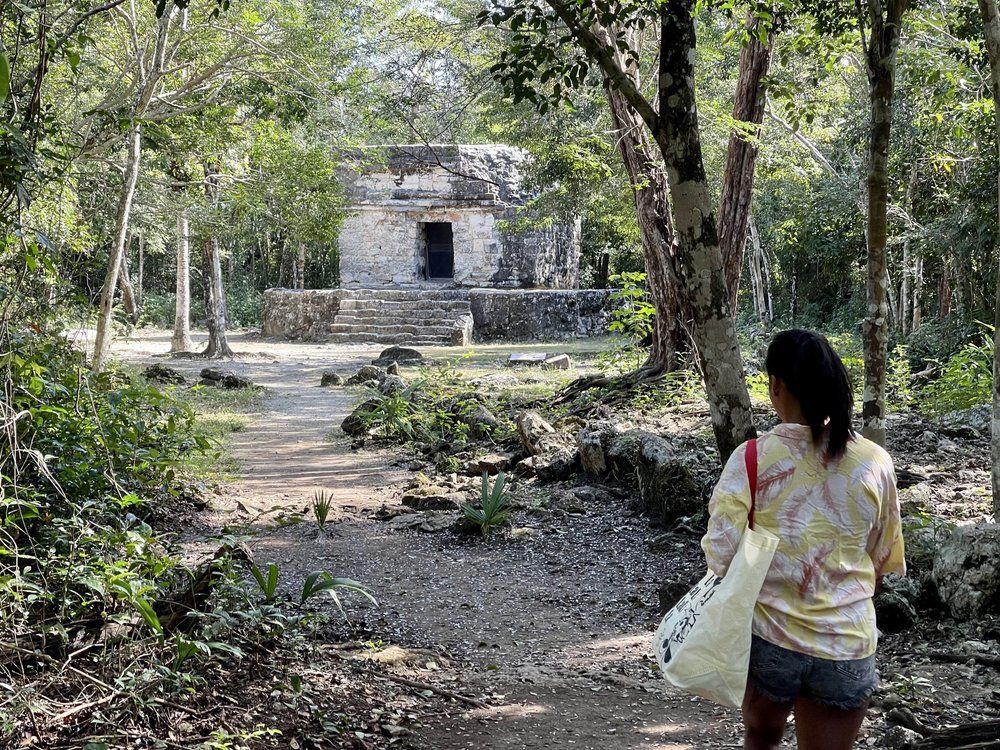
In the pre-Colombian era, the area was significant for the Mayan people. Mayans believed Cozumel to be a sacred shrine to Ixchel, the goddess of fertility and the moon. They would make pilgrimages to the island and the small "El Caracol" ruin located within the eco park is thought to have been used as a lighthouse to guide these pilgrimages. As you move through the eco park, you're literally walking in the steps of ancient Mayan rituals, adding a profound depth to any visit here.
Faro Celerain Eco Park is essential for numerous reasons. Ecologically, it serves as a sanctuary for diverse flora and fauna, including several endangered species. The park's conservation efforts provide a refuge where these organisms can thrive, ensuring their preservation for future generations. This is where ecological importance translates into a tangible experience for visitors, as they get to witness these conservation efforts firsthand and learn about the delicate balance of marine and terrestrial ecosystems.
Culturally, the park showcases a slice of Mayan heritage through the El Caracol ruin and the story of the lighthouse, illustrating Cozumel's rich history. These historical features offer a unique viewpoint into the past; showing us the connection that the ancient Mayans had with the sea and the stars. For those seeking to understand the fabric of the place, its history resonates as much as the natural beauty it contains.
Recreationally, Faro Celerain Eco Park provides a myriad of outdoor activities. Whether it's snorkeling in Columbia Lagoon amid coral reefs teeming with marine life, bird watching, or walking the natural trails, the park contributes to Cozumel's appeal as a destination that balances tourism with environmental stewardship. It demonstrates that sustainable tourism can exist in a world-class travel spot, inspiring visitors and locals alike to appreciate and care for our natural wonders.
The park offers a plethora of activities for all types of adventurers. A highlight is the lighthouse itself. Not only can you explore the nautical museum inside, but you can also climb to the top for an unrivaled panoramic view of the island. The breathtaking sights from the lighthouse are something you don't just see; you feel them in your soul as you gaze out over the endless ocean and the rich tapestry of natural habitat below.



Next, there's the "El Caracol" Mayan ruin. Although small, it's a profound token of the Mayans' presence, and it's not uncommon to experience a deep sense of serenity and timelessness while observing it. For the naturalists or those who simply enjoy the serenity of untamed landscapes, the park's diverse settings include beaches with powdery white sand, clear waters, and coastal dunes that are home to numerous species of birds and sea turtles.
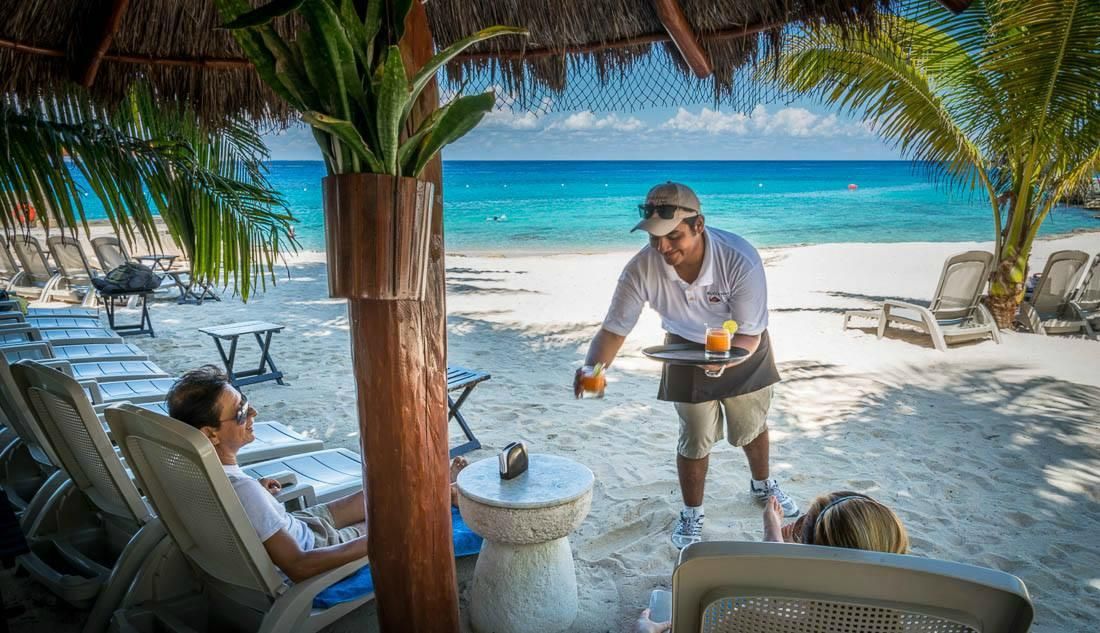
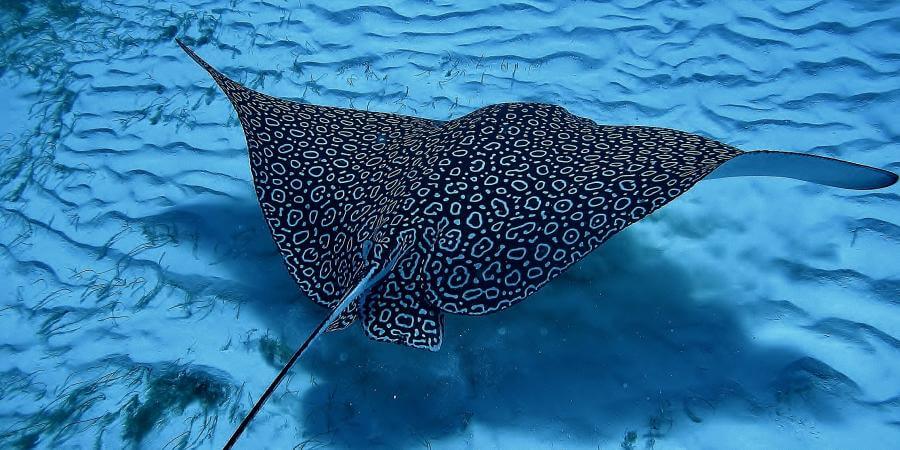
Snorkeling in the calm waters of the reef lagoons allows for an up-close encounter with the abundant marine life, including tropical fish and corals. Those interested in a more laid-back experience can enjoy a relaxing beach day at one of the park's stretches of white sand or take a boat tour through the mangroves of Colombia Lagoon to spot crocodiles and other wildlife. Lastly, don't miss the opportunity to kayak through the mangrove forests—silently gliding over the water's glassy surface, you'll find a gentle peace in the rustling of the mangrove leaves that's hard to replicate anywhere else.
| 📌 Address | Carr. Costera 17782, 77686 Q.R., Mexico |
| ⏰ Opening Hours | 9:00 AM - 4:00 PM |
| 💸 Entrance Fee | Free |
Faro Celerain Eco Park, also known as Punta Sur Eco Beach Park, is a natural reserve located at the southern tip of Cozumel island. It encompasses beaches, mangroves, lagoons, and a diverse set of wildlife, along with the historic Celarain lighthouse.
Visitors can enjoy snorkeling, bird-watching, visiting the lighthouse and maritime museum, taking nature tours, observing crocodiles, and relaxing on the pristine beaches.
Yes, the park offers guided tours which typically include a lighthouse visit, a boat ride through the mangroves, and sometimes snorkeling, depending on the tour package.
The park is home to diverse wildlife including sea turtles, crocodiles, iguanas, and a variety of bird species such as the Mexican Pink Flamingo.
The park is typically open from 9:00 AM to 4:00 PM, and the entrance fee varies for adults and children. Fees may change, so visitors should check the official park website or contact the park directly for the most current information.