+1 617 404 2125
Fujian Assembly Hall




Search



| 📌 Address | 46 Trần Phú, Cẩm Châu, Hội An, Quảng Nam, Vietnam |
| ⏰ Opening Hours | 7:00 AM - 6:00 PM |
| 💸 Entrance Fee | VND 150,000 |

The Fujian Assembly Hall, known locally as Phuc Kien (Fukien) Assembly Hall, stands as a historical testament to the Chinese community once thriving in the enchanting town of Hoi An, Vietnam. Initially a gathering place for the Fujian Chinese immigrants to socialize and worship, this assembly hall is one of the grandest among the five assembly halls created by the Chinese in Hoi An. Through its ornate architecture and intricate details, the Fujian Assembly Hall holds stories of a community, their beliefs, and a shared history that has imprinted itself onto the very fabric of the town.

Our Hoi An Instagram Tour is ideal to see the best hidden spots of this nearby town, combining culture and once-in-a-lifetime sightseeing experiences. Starting ...
Tracing back to the 17th century, the Fujian Assembly Hall was first constructed by the Fujian Chinese community. Hoi An was a major trading port and attracted a diverse set of international traders - among them, Chinese merchants who came primarily from Fujian province. They formed their own enclave within the city, and the assembly hall initially served as a place where they could maintain their cultural traditions, offer help to each other, and worship their deities. Over time, this building was restructured in the 19th century to become the magnificent structure that we can admire today. With each change and renovation, the hall was endowed with more intricate and significant decorative motifs, reflecting the prosperity and cultural evolution of its patrons.
As a centerpiece to Hoi An's multi-ethnic tapestry, the Fujian Assembly Hall embodies more than just the historical narrative of Chinese immigrants. It represents the unique blend of cultures and the harmonious coexistence of different peoples over hundreds of years. The hall is a beacon of Fujianese culture, with its meticulous craftsmanship providing a deeper understanding of the symbolic art, the communal spirit, and the spiritual dedication that defined a crucial part of Hoi An's society. Moreover, it is a living heritage site that connects the present to the past, being an active temple that's still used for worship and community events, thus maintaining its significance in the fabric of local and national culture.

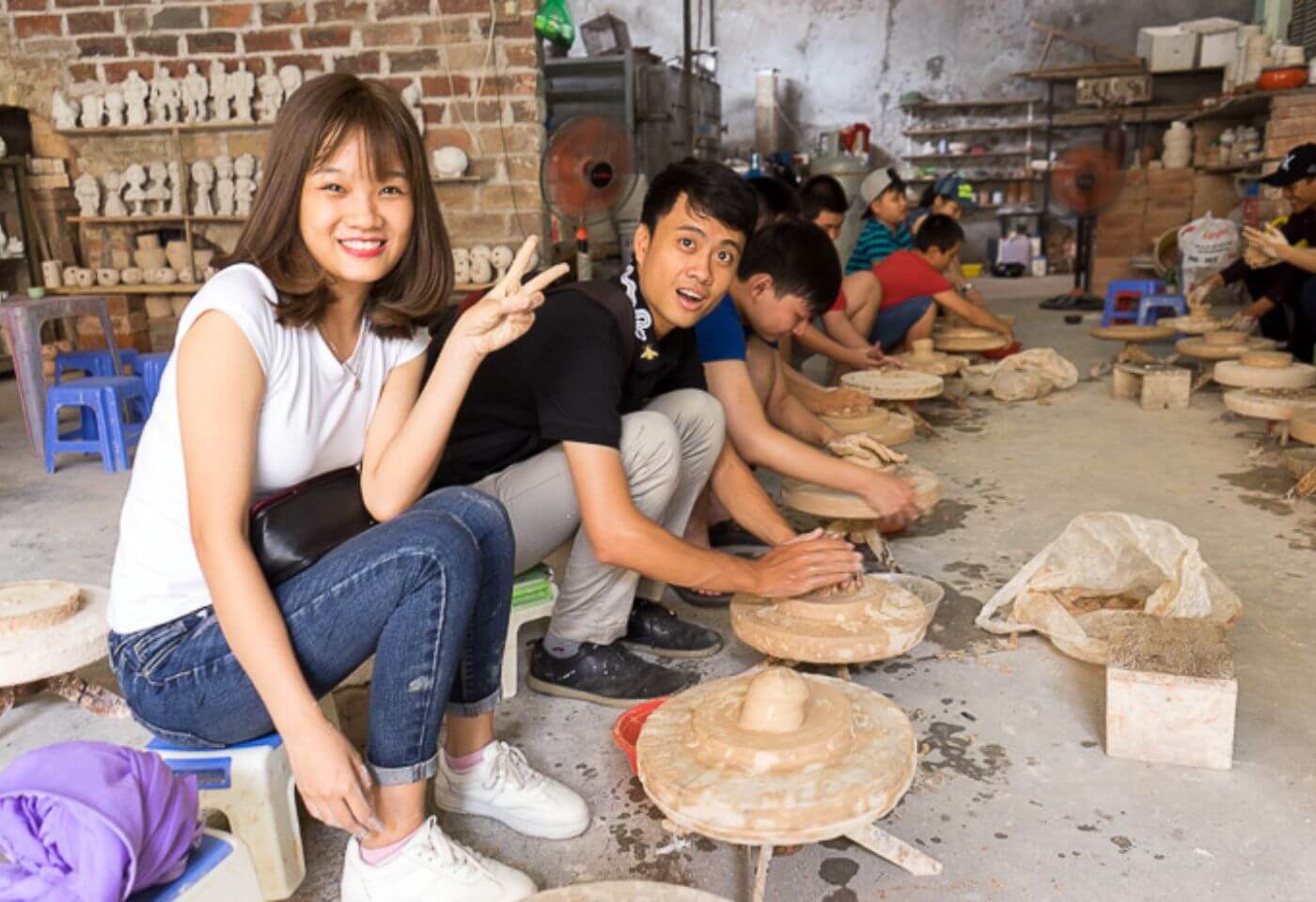

When you visit the Fujian Assembly Hall, you'll be swept up in the grandeur of its architectural design, which showcases a hypnotic blend of Vietnamese, Chinese, and Japanese influences. Entering through its ornate gates, you'll find yourself in a verdant garden with a beautiful fountain, which leads into the main hall. Here, among the most venerated sights is the statue of Thien Hau, the sea goddess entrusted with safeguarding sailors, which reflects the hall's origins connected to the sea-trading community.
As you walk through, take a moment to absorb the details: the dragon carvings, the intricate friezes, the antique wooden beams. Every element has a story, and if you quietly observe, the walls themselves begin to share whispers of a storied past. It's an experience that enriches the soul, offering a portal to an age-old civilization and its enduring legacy.
| 📌 Address | 46 Trần Phú, Cẩm Châu, Hội An, Quảng Nam, Vietnam |
| ⏰ Opening Hours | 7:00 AM - 6:00 PM |
| 💸 Entrance Fee | VND 150,000 |
The Fujian Assembly Hall was originally built by Chinese merchants from Fujian Province and served as a place for the Chinese ethnic community from Fujian to socialize and worship. It is a reflection of the strong historical Chinese influence on the Vietnamese port town of Hoi An.
Visitors to the Fujian Assembly Hall can explore the intricately designed gate, the ornate main hall, and the well-manicured gardens. They can also learn about the Chinese deities worshipped there and observe the hall's architecture and traditional Fujian decorations.
Fujian Assembly Hall hosts various cultural events and festivals, particularly during Chinese New Year and the Mid-Autumn Festival, where visitors can experience traditional performances, lion dances, and other festive activities.
There is typically an entrance fee for tourists to visit the Fujian Assembly Hall. The opening hours are generally from early morning to late evening, but it's recommended to check the latest information before visiting as timings can vary.
The Fujian Assembly Hall is located in the heart of Hoi An's Old Town, which is a pedestrian-friendly area. It can be easily reached on foot, by bicycle, or in a cyclo, a traditional three-wheeled pedicab, from most parts of the town.