+1 617 404 2125
Museum Bank Indonesia




Search


| 📌 Address | Jl. Pintu Besar Utara No.3, RT.4/RW.6, Pinangsia, Kec. Taman Sari, Kota Jakarta Barat, Daerah Khusus Ibukota Jakarta 11110, Indonesia |
| ⏰ Opening Hours | 8:00 AM - 3:00 PM |
| 💸 Entrance Fee | Free |

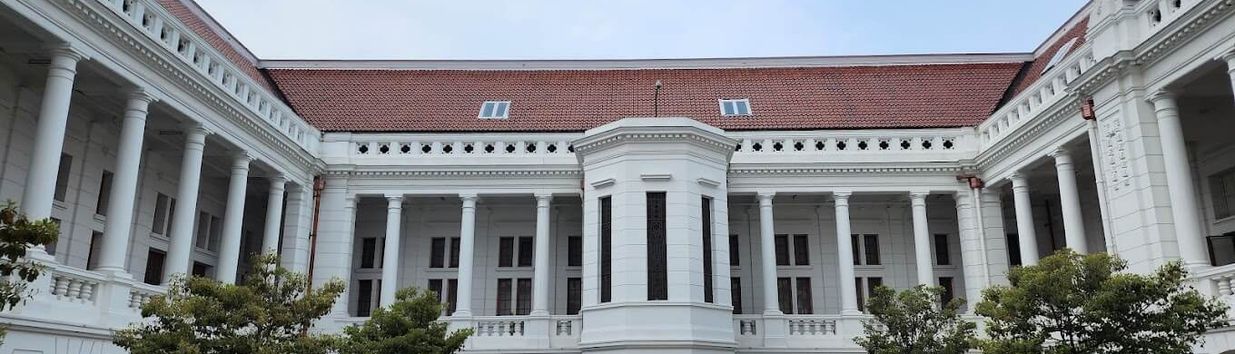
Welcome to the Museum Bank Indonesia, a historical and educational destination nestled in the Old Town of Jakarta, known as Kota Tua. This museum resides in a heritage building that once served as the central bank of Indonesia. It is not just a repository of financial history but also a testament to the country's rich architectural prowess. Upon entering its halls, you are transported back in time, as the museum meticulously illustrates the history of banking in Indonesia, from colonial times through to the present day. Each exhibition within its walls tells a tale, intertwined with the economic and sociopolitical narrative of the nation.

Jump onto our Nusa Penida Tembeling Natural Pool Tour with both feet! Your private Bali tour guide will take you to all the best spots on Nusa Penida including ...
The museum is renowned for its interactive displays, which combine traditional modes of presentation with cutting-edge technology. As an insider tip, I suggest planning your visit on a weekday, when it's less crowded, allowing you to fully absorb the stories and artifacts at your own pace. The grandeur of the architecture and the depth of information presented here make for an enriching experience, unlike any mainstream tourist attraction.
The building that houses the Museum Bank Indonesia is steeped in historical significance. Originally it served as the headquarters of De Javasche Bank, the central bank of the Dutch East Indies. Constructed in the early 20th century, this edifice has witnessed the turbulent transitions of Indonesia's economy, from the colonial period through Japanese occupation, towards independence, and now modernity. After the nationalization of banks post-independence, De Javasche Bank was succeeded by Bank Indonesia, and the building continued to play a pivotal role in the economic progression of the country.
In 2006, after extensive renovations, the building opened its doors to the public as Museum Bank Indonesia. It was a concerted effort to preserve both the architectural marvel and the monetary history of Indonesia for future generations. The museum's inauguration was a significant cultural event, symbolizing the country's commitment to celebrating its past while forging a path forward.
Museum Bank Indonesia stands as a critical institution within Jakarta, and indeed, across Indonesia. Its importance lies in the way it encapsulates centuries of financial history, offering insights into the country's struggle for economic sovereignty. Have you ever wondered how a nation's economic identity is formed or how currency evolves through the ebb and flow of historical events? This museum provides answers to these curiosities through its exhibits.
Furthermore, it serves a vital role in education, enriching citizens and tourists alike about the intricacies of fiscal policies and the banking sector's growth. The museum also acts as a cultural hub, located in the heart of Kota Tua, which is a focal point for the conservation and revitalization efforts of Jakarta's historical districts. The presence of the museum contributes greatly to the appreciation and understanding of Jakarta's, and Indonesia's, historical narrative.
A visit to Museum Bank Indonesia is a multifaceted experience. You'll have the opportunity to see original banknotes and coins dating back centuries, including those from the colonial era. The replicas of old trading ships and the displays of old safes add another dimension to the historical journey. Additionally, the museum frequently hosts temporary exhibits that delve into specific themes, further enriching the visitor experience.



Do you enjoy being hands-on with history? You'll appreciate the interactive simulations of barter trading, alongside the audio-visual aids that bring monetary policy discussions to life. And, of course, there's the formidable architecture, with its original details lovingly restored to their former glory. My personal favorite is the grand hall, with its impressive marble floors and stained glass ceilings—it's a photo opportunity you can't miss.
Before you leave, take a moment to explore the surrounding area of Kota Tua. Its cobbled streets and preserved buildings offer more stories and sights. On weekends, the area is abuzz with cultural performances, food vendors, and a vibrant atmosphere that showcases the city's contemporary flair meshed with historical elegance. Your visit to the Museum Bank Indonesia serves as the perfect stepping stone to delve deeper into the cultural heart of Jakarta.
| 📌 Address | Jl. Pintu Besar Utara No.3, RT.4/RW.6, Pinangsia, Kec. Taman Sari, Kota Jakarta Barat, Daerah Khusus Ibukota Jakarta 11110, Indonesia |
| ⏰ Opening Hours | 8:00 AM - 3:00 PM |
| 💸 Entrance Fee | Free |
The Museum Bank Indonesia is a museum located in Jakarta that showcases the history of the nation's banking and its economic development. It is housed in the former building of the De Javasche Bank, the central bank of Dutch East Indies, and features various interactive exhibits and historical displays.
Museum Bank Indonesia is located in the Kota Tua (Old Town) area of Jakarta, which is known for its historical buildings and colonial architecture.
The Museum Bank Indonesia usually operates from Tuesday to Sunday, opening at 8:00 AM and closing at 4:00 PM. It's advisable to check the latest timings or any changes in the schedule before visiting.
Yes, there is a nominal entrance fee to visit the Museum Bank Indonesia. However, fees may vary, and there can be special discounts or free entry days, so visitors should check the latest fee structure before their visit.
Visitors to Museum Bank Indonesia can explore a wide range of exhibits that provide insights into Indonesia's financial history, including old currencies, banking artifacts, and interactive displays that tell the story of economic development in Indonesia from colonial to modern times.