+1 617 404 2125
National Museum of Indonesia




Search


| 📌 Address | Jl. Medan Merdeka Barat No.12, Gambir, Kecamatan Gambir, Kota Jakarta Pusat, Daerah Khusus Ibukota Jakarta 10110, Indonesia |
| ⏰ Opening Hours | 8:00 AM - 5:00 PM |
| 💸 Entrance Fee | Varies |

The Museum Nasional, also known as the National Museum of Indonesia, is an integral part of Jakarta's cultural landscape, often affectionately referred to by Jakartans as "Museum Gajah" or Elephant Museum. This nickname stems from the prominent bronze elephant statue gracing its forecourt, a gift from King Chulalongkorn of Thailand back in 1871. The museum serves as a comprehensive repository of Indonesia's rich cultural and historical heritage, housing an extensive collection of artifacts that span the prehistoric, ethnographic, ceramic, and other myriad facets of the archipelago’s vibrant history.

Jet off to Nusa Lembongan on this all-inclusive, private tour. With idyllic, dream beaches, mystic mangrove forests and a speedboat experience, this Bali tour i...
The building itself is a stunning example of Dutch colonial architecture, with its façade reflecting the neoclassical style, characterized by grand columns and pediments, which have been standing since its establishment. As you explore the space, you’ll wander through halls filled with relics of Indonesia’s past—a journey that stretches from the age of Hindu-Buddhist empires and Islamic sultanates to the colonial period and Indonesia’s struggle for independence.
The story of the Museum Nasional begins in the early 19th century, a period marked by an increased interest in the natural history and cultural artifacts of the Dutch East Indies. It was founded in 1778 by a group of Dutch intellectuals who created the Royal Batavian Society of Arts and Sciences, which initially assembled the collection. Despite the challenges posed by the tumultuous political climate, the museum kept growing, both in size and importance, eventually becoming the expansive national institution it is today. The early collections were based on private collections of Dutch colonial officials and adventurers, which were then significantly expanded through archaeological excavations and acquisitions.
In the decades that followed, the museum's collection continued to be enriched by the research of scholars and the donation of artifacts from various regions of Indonesia. The museum has survived through the colonial era, Japanese occupation, and has witnessed Indonesia's emergence as a sovereign nation. Its history is so intimately entwined with that of the nation that a walk through its corridors is akin to traversing the timeline of Indonesia itself.
Museum Nasional stands as a pivotal institution in Indonesia’s efforts to conserve its multifaceted heritage. It holds the country's largest and most comprehensive collection of art and relics, encompassing more than 140,000 pieces that tell tales of Indonesia’s journey from ancient times to the present. The museum not only safeguards the tangible remnants of Indonesia’s past but also serves as a research center for scholars from around the world. The preservation of such artifacts is essential for educating current and future generations about their own history and culture, as well as promoting cultural understanding among visitors from abroad.
Furthermore, the museum is important for its role in contributing to Indonesia’s cultural identity. The diversity of its collections mirrors the archipelago's own social and ethnic diversity, thereby fostering a sense of national pride. It also acts as cultural diplomacy, presenting a face of Indonesia that is rich, diverse, and steeped in history to the international community.
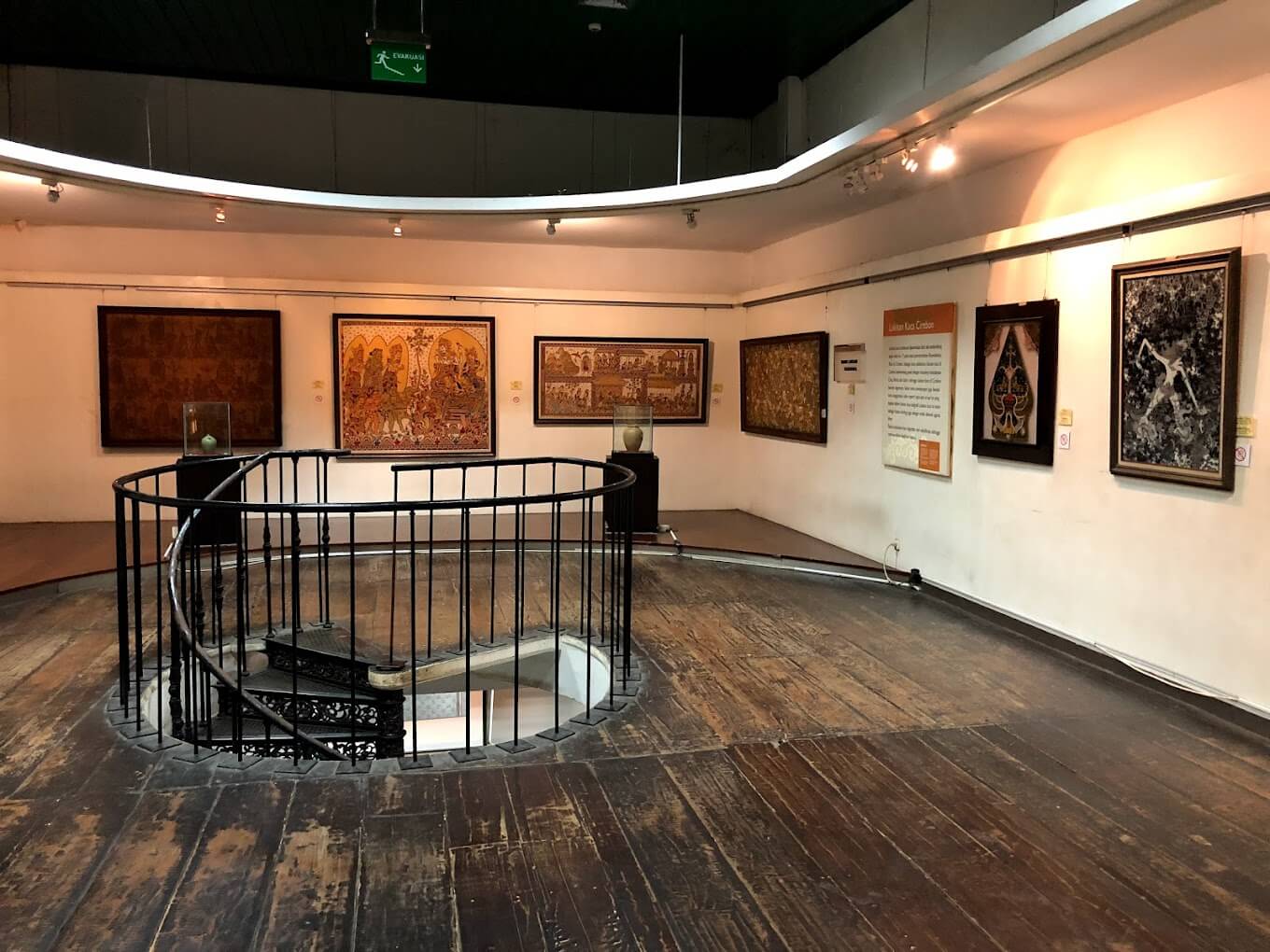
Visitors to the Museum Nasional are in for a splendid experience that goes beyond viewing ancient artifacts; they're engaging with the living history of Indonesia. One can marvel at the intricate gold treasures and jewelry which reflect the craftsmanship of early Indonesian societies or the renowned statue of Vishnu, evidence of the Hindu influence in Indonesian history. The museum also offers a comprehensive ethnographic collection, displaying the various textiles, weapons, and tools used by the different ethnic groups within Indonesia. The Islamic art collection is another highlight, revealing the spread and influence of Islam throughout the nation.
For those with a keen interest in ceramics, there’s a fascinating array of both local and imported pieces from as far as China and the Middle East, a testament to the trade routes that passed through the archipelago. The museum regularly hosts temporary exhibitions, offering fresh insights and perspectives on specific facets of Indonesian culture. Guided tours, when available, are particularly illuminating because they provide stories and contexts that might otherwise be missed when wandering alone.

Beyond the artifacts, the museum’s architecture and grounds are also worth admiring—aspects often remarked upon by those with a penchant for historical buildings. Don't miss the chance to admire the well-curated garden, which provides a tranquil respite from the hustle and bustle of the city. A visit to the Museum Nasional is more than just a simple tour; it’s a deep dive into the soul of Indonesia, where every exhibit encapsulates a chapter of the nation's narrative.
| 📌 Address | Jl. Medan Merdeka Barat No.12, Gambir, Kecamatan Gambir, Kota Jakarta Pusat, Daerah Khusus Ibukota Jakarta 10110, Indonesia |
| ⏰ Opening Hours | 8:00 AM - 5:00 PM |
| 💸 Entrance Fee | Varies |
The Museum Nasional in Jakarta, also known as the National Museum of Indonesia, is known for its extensive collection of artifacts and relics that span the entirety of Indonesia's history. It offers insight into the country's cultural heritage, showcasing traditional art, archeology, and ethnography.
Tickets to the Museum Nasional can be purchased on-site at the ticket counter. It's recommended to check the museum's official website or contact the museum directly for the latest information on tickets and opening hours.
The Museum Nasional typically opens from Tuesday to Sunday, with operating hours usually ranging from morning until afternoon. However, it is recommended to verify the current opening hours on the museum's official website or by contacting them directly, as they can vary and may be subject to change.
Guided tours are often available at the Museum Nasional for visitors who wish to have a more in-depth understanding of the exhibits. These tours may be available in various languages. Visitors should inquire with the museum staff or check the museum's website for tour schedules and languages.
Photography may be allowed in certain areas of the Museum Nasional, but restrictions can apply to specific exhibits or artefacts. It is advisable to check the museum's photography policy before your visit and to adhere to any rules set by the museum during your time there.