+1 617 404 2125
Manta Point




Search


| 📌 Address | Jalan Laut Arafuru, FJR6+266, Duren Sawit, Jakarta Timur, Daerah Khusus Ibukota Jakarta 13430, Indonesia |
| ⏰ Opening Hours | 8:00 AM - 5:00 PM |
| 💸 Entrance Fee | Varies |

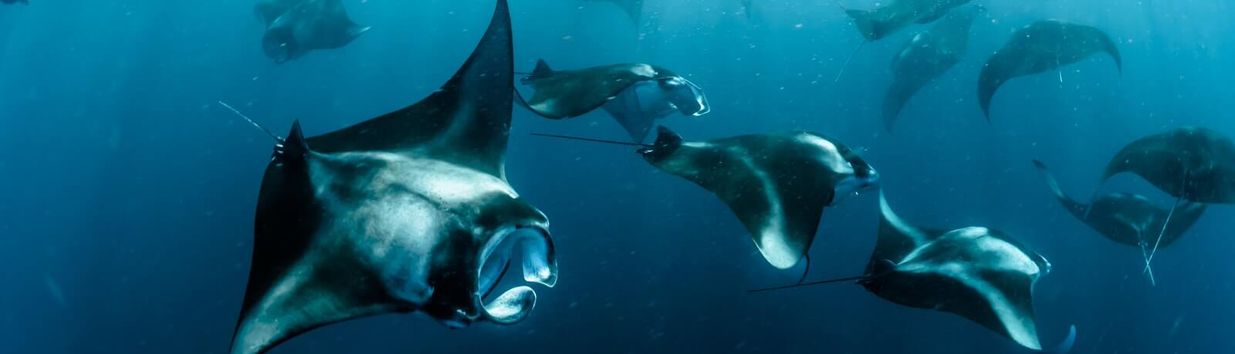
Manta Point is a stunning dive spot located near Komodo Island in Indonesia, celebrated for its frequent sightings of magnificent manta rays. This underwater haven is nestled in the currents that flow between the islands of Komodo National Park, a UNESCO World Heritage site. As a diver here, you'll be treated to the balletic movements of these gentle giants, with wingspans that can reach up to an impressive 7 meters.

Let us show you the Nusa Penida Legendary Spots with this full-day, private tour. This jam-packed Bali tour takes you to all the best spots on this stunning isl...
The waters at Manta Point are rich in plankton, drawing in mantas that come to feast and be cleaned by smaller fish. What's not immediately apparent to every visitor is that the manta rays here exhibit unique social behaviors, making observations quite fascinating to those in the know. The location is not just a feeding station but also serves as a cleaning station where mantas visit repeatedly to have parasites removed by smaller, dutiful reef fish.
The history of Manta Point is closely linked with the Komodo National Park, established in 1980 to protect the Komodo dragon. The Park's ecosystem, both terrestrial and marine, has been preserved and allowed to thrive, which includes the natural habitats of manta rays. Over time, with the increase in ecotourism, Manta Point has become a sought-after destination for divers around the world who desire an encounter with the mantas in their natural environment.
Local communities have always known about the presence of manta rays in these waters, but it wasn't until diving became a popular activity that Manta Point gained international recognition. Conservation efforts have since increased, with a focus on maintaining the biological diversity and ecological processes within Komodo National Park. These initiatives have been crucial in safeguarding the future of manta rays, as the species faces global threats from fishing and habitat destruction.
Manta Point is an ecological treasure that serves a pivotal role in the health and sustainability of marine life within Komodo National Park. The site is important for the conservation of manta rays, providing them with a safe haven from the perils they face outside of protected areas. But the significance of Manta Point isn't just ecological—it's also a barometer for the health of our oceans, which is crucial for the planet.
For locals and visitors alike, Manta Point is a symbol of the incredible biodiversity of Indonesia's marine ecosystems. It's a place that not only contributes to the local economy through tourism but also offers a unique opportunity for education and research. The behavioral patterns and cleaning symbiosis at Manta Point provide invaluable insights for scientists studying these gentle giants, helping to inform conservation strategies on a global scale.
Undoubtedly, the main attraction at Manta Point is diving and snorkeling amongst the manta rays. The sight of these graceful creatures gliding through the water is something you're unlikely to forget. Their peaceful demeanor allows for close encounters, which makes for a transcendent underwater experience. But there's more to Manta Point than just mantas.



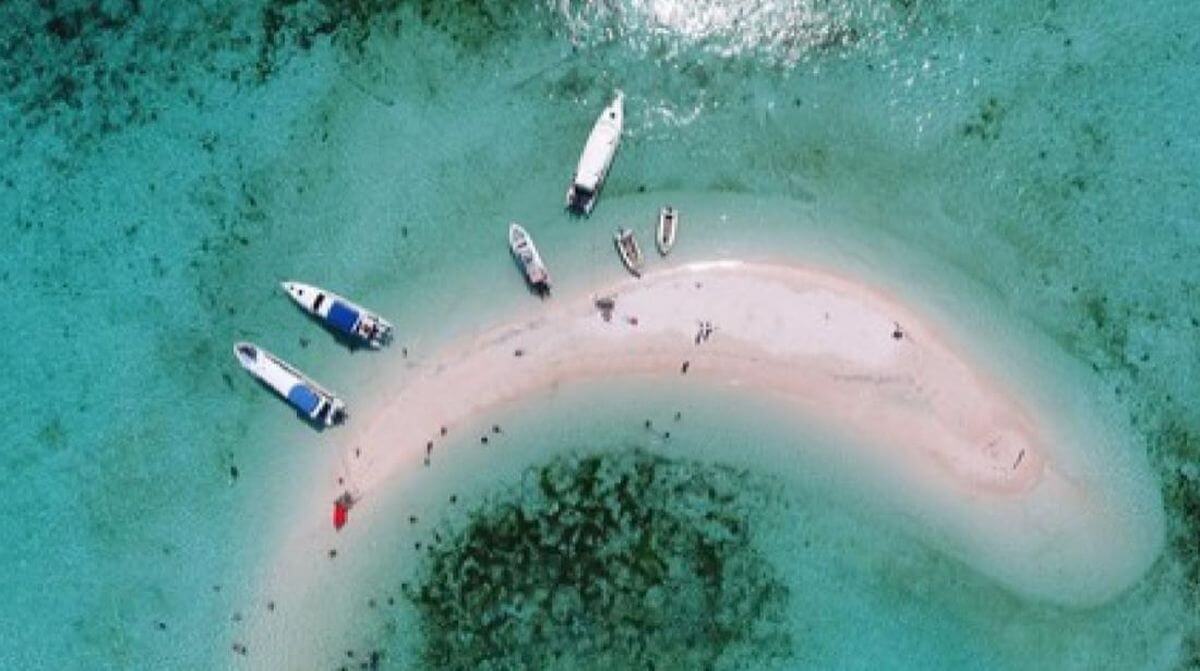
Photography enthusiasts will find Manta Point to be particularly enchanting, as the clear waters and abundant marine life make for stunning underwater shots. Look out for the various species of tropical fish, corals and sometimes even turtles that share these waters with the manta rays. Between dives, don't miss the chance to explore the nearby islands of Komodo National Park, where the terrestrial life is as fascinating as the aquatic.
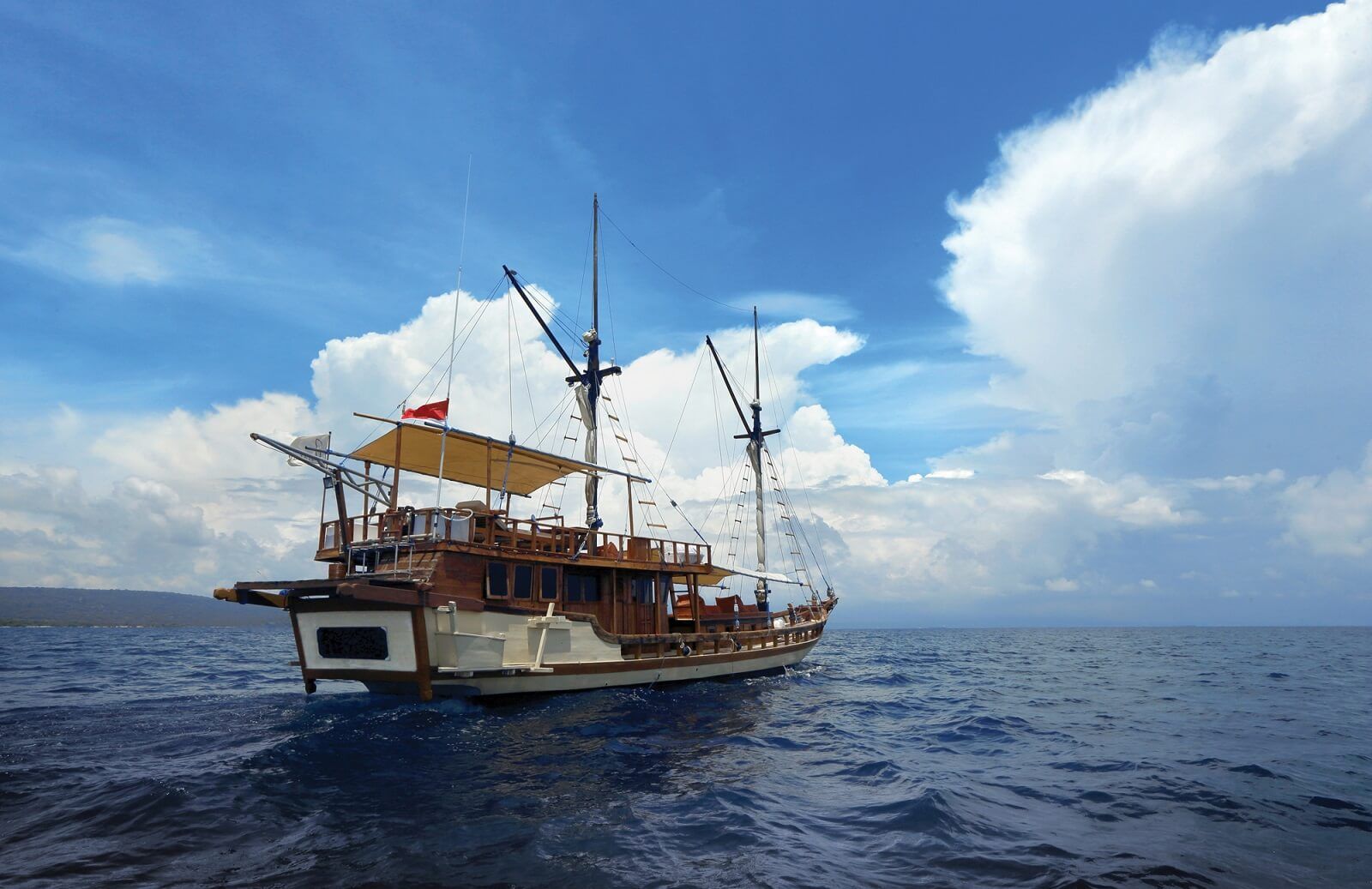
For a more relaxed experience, boat tours around the park provide a panoramic view of the impressive landscape. You can learn from the crews about local myths and maybe even spot other marine life, such as dolphins or the occasional whale in the right season. Remember to respect the natural environment and follow the guidance of your dive operators to ensure that Manta Point remains a pristine habitat for many years to come.
| 📌 Address | Jalan Laut Arafuru, FJR6+266, Duren Sawit, Jakarta Timur, Daerah Khusus Ibukota Jakarta 13430, Indonesia |
| ⏰ Opening Hours | 8:00 AM - 5:00 PM |
| 💸 Entrance Fee | Varies |
Manta Point is a popular dive site near Komodo Island in Indonesia, renowned for its large population of manta rays that can be seen swimming gracefully in the nutrient-rich waters.
To get to Manta Point, visitors usually take a boat trip from Labuan Bajo or directly from Komodo Island, as it is a marine site accessible only by water.
The best time of year to dive at Manta Point is during the dry season, from April to November, when the sea conditions are calmer and the visibility underwater is better.
While Manta Point is suitable for various levels of divers, it is recommended that less experienced divers are accompanied by a professional due to currents that can sometimes be strong.
Besides manta rays, divers at Manta Point can also encounter a variety of marine life including reef sharks, turtles, and a diverse array of tropical fish and coral formations.