+1 617 404 2125
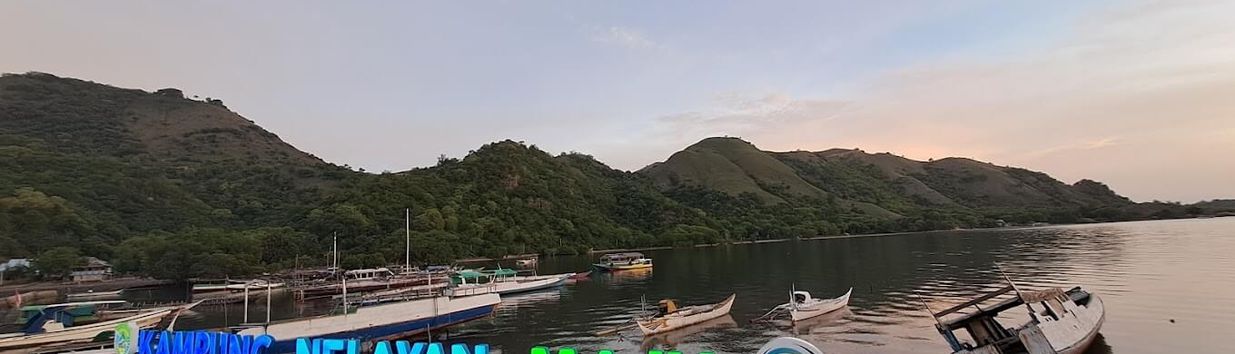
Desa Warloka Pesisir




Search


| 📌 Address | 9RX5+CR6, Warloka, Komodo, West Manggarai Regency, East Nusa Tenggara, Indonesia |
| ⏰ Opening Hours | 8:00 AM - 5:00 PM |
| 💸 Entrance Fee | Free |

Warloka Village is a small, traditional settlement located on the island of Flores, near the Komodo National Park in Indonesia. The village has a profound connection to the past, with a rich history that extends back to the era of Neolithic trading. Its remote location means that it has remained largely untouched by modern developments, providing a unique glimpse into the traditional way of life for the indigenous community there. Unlike the more commercially developed areas nearby, Warloka offers visitors an authentic cultural experience, where traditions have been preserved for generations.
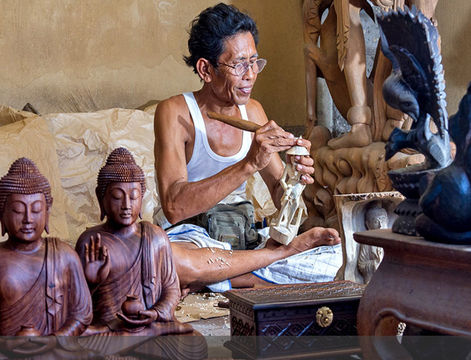
If you really want to immerse yourself in the local culture, our private Balinese Local Experience Culture Tour will be right up your street. This 9-hour, all-i...
What really sets Warloka Village apart is its historical significance and the archaeological finds that have been unearthed in the vicinity. Artefacts such as ancient Chinese ceramics and other remnants from bygone eras speak volumes about the ancient trade network that once thrived here. As you wander through the village, you'll notice the harmonious blend of historical legacy and living culture, which continues to flourish amidst the daily life of the villagers.
The history of Warloka Village goes much deeper than one might discern from its quiet appearance. It was once a bustling port and a significant trading post that played a key role in regional commerce. Archaeological surveys and excavations have revealed that Warloka was part of the maritime Silk Road, connecting the East with the West, as far back as the 14th century. The village functioned as an early gateway to the Indonesian archipelago for traders from distant lands, bringing with them a variety of foreign goods that contributed to the diverse cultural landscape seen in Indonesia today.
Over time, Warloka's prominence as a trade hub diminished, but the evidence of its illustrious past remains. Many artefacts have been discovered here, including Dongson drums of Vietnamese origin and exquisite Chinese ceramics, some of which are estimated to date back to the Ming Dynasty. These relics are not just significant historically; they also serve as a testament to the rich cultural interactions that took place in this region. The village's historical depth adds layers to its charm, making it a fascinating site for both history buffs and curious travelers.
Warloka Village is important for several reasons. Firstly, it is a living museum that houses centuries of history, which is crucial for understanding the cultural and historical evolution of Indonesia and Southeast Asia. The artefacts found in this area help historians and archaeologists piece together the complex puzzle of trade routes and cultural exchange that defined ancient times. By visiting Warloka, one gains insight into the ancient world and how it has shaped the present.
Additionally, Warloka's cultural legacy is significant for the indigenous community. It offers continuity and a sense of identity in a rapidly changing world. For visitors, Warloka is a place to observe and learn about traditional customs, beliefs, and daily practices that are becoming increasingly rare. The connection of the villagers to their ancestors through rituals, dance, and other cultural expressions provides a unique and meaningful experience that goes beyond what you might find in more tourist-centric locations.
When visiting Warloka Village, there's a variety of experiences to immerse oneself in. Take a leisurely stroll through the village to observe the daily activities of the locals. You'll see traditional houses built on stilts, crafted with techniques passed down through generations. Engage with the community; they might share stories of their ancestors or demonstrate how they weave their distinct textiles, famed for their intricate patterns and vibrant colors.
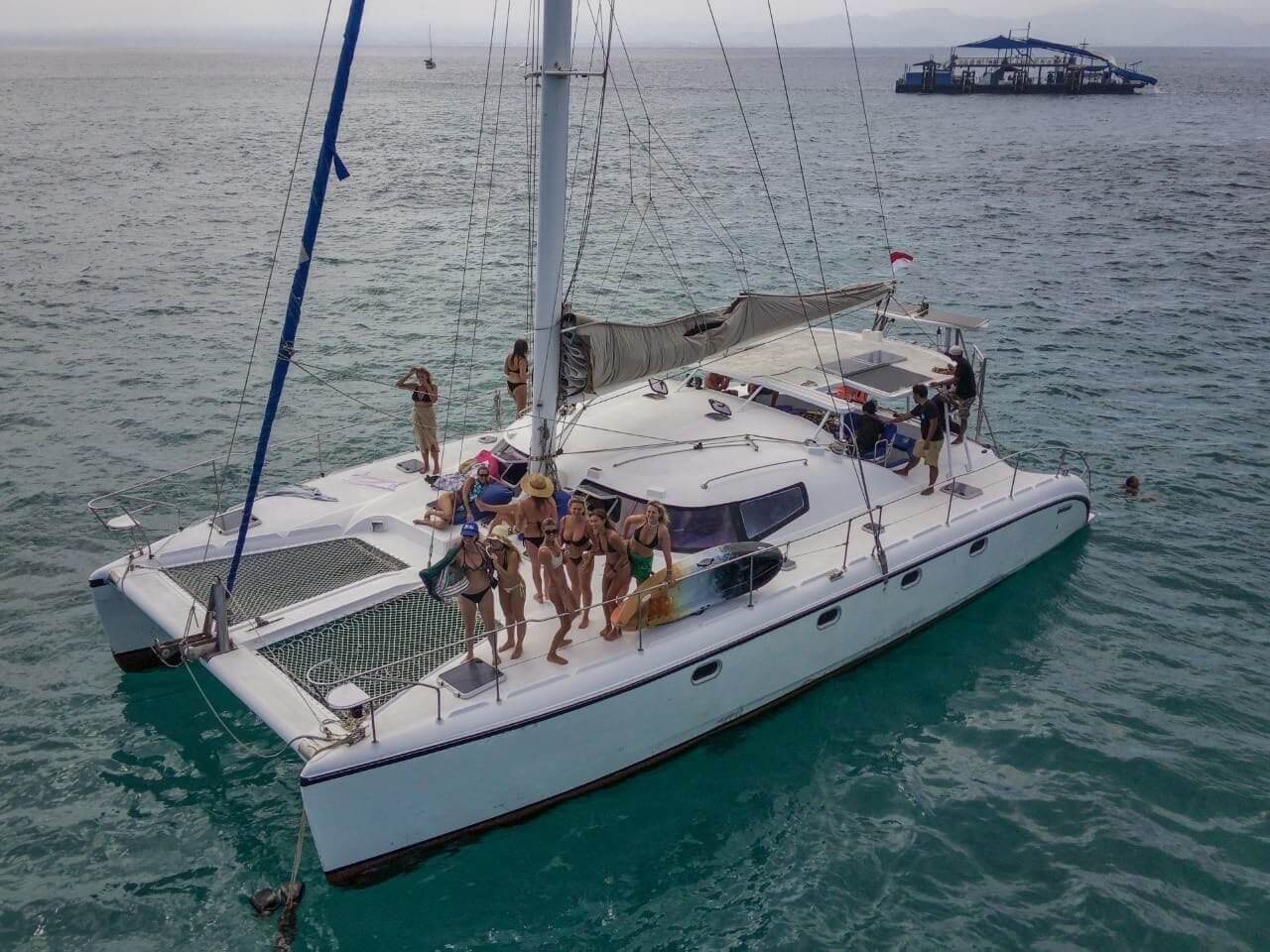
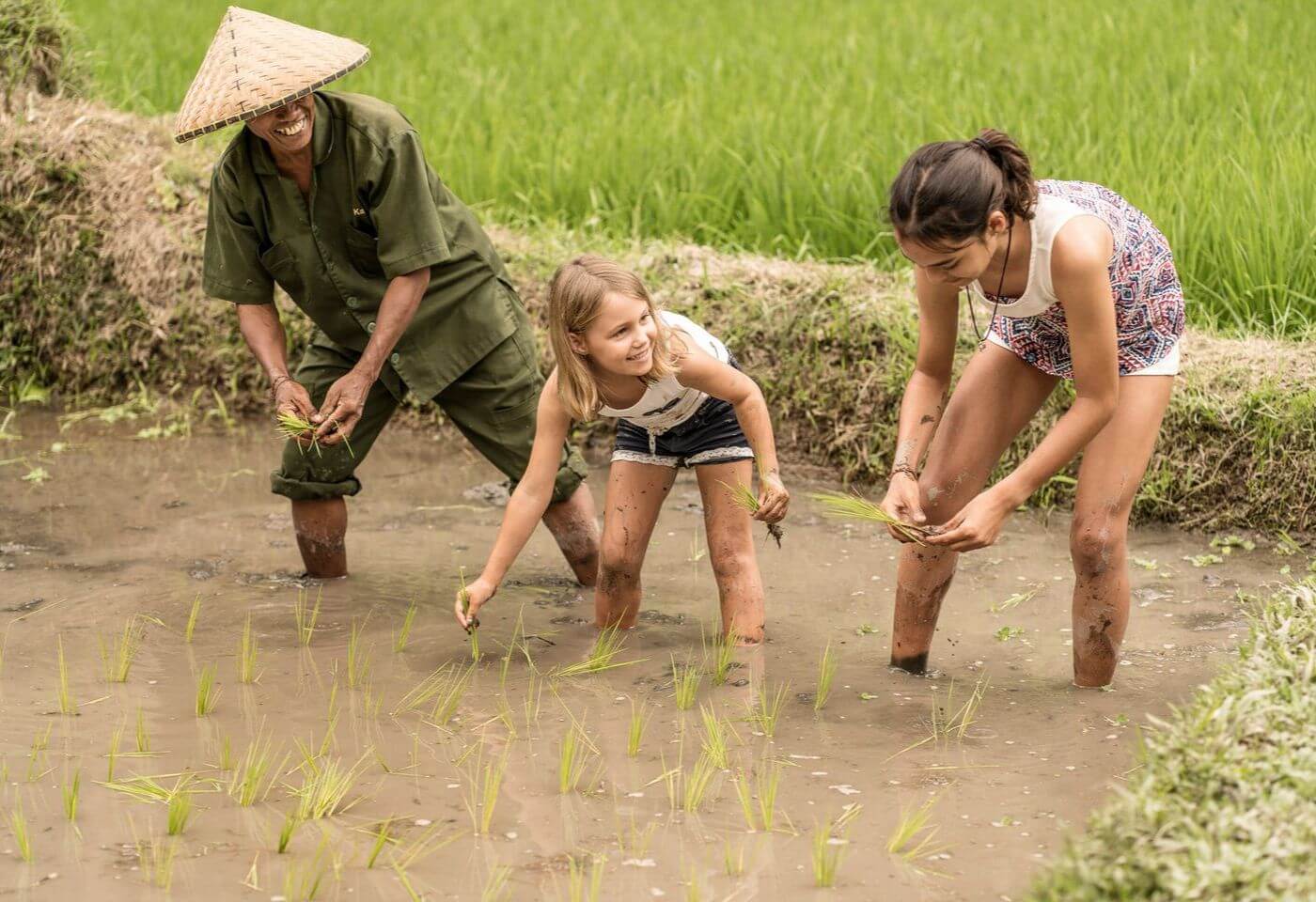
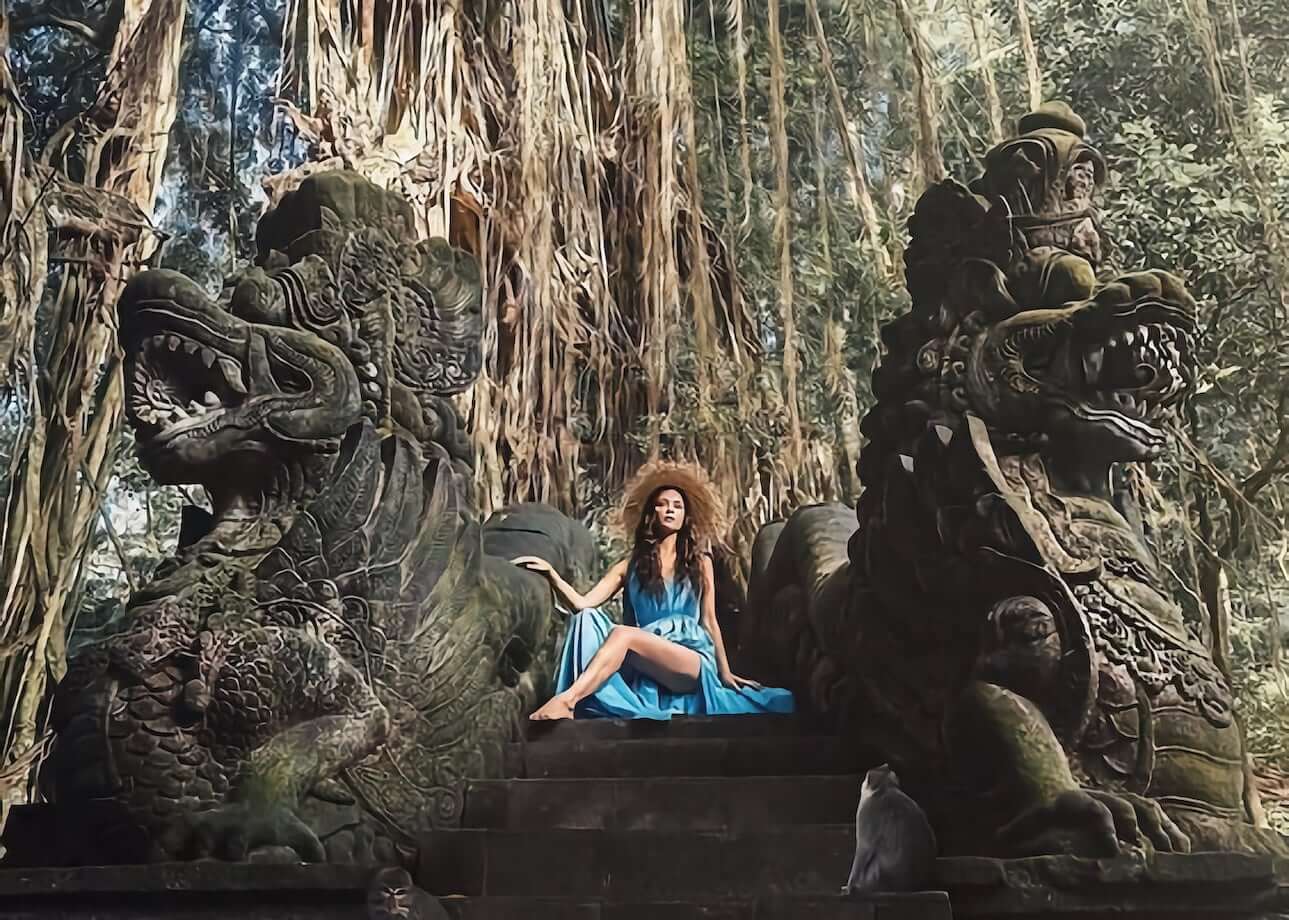
Don't miss the chance to explore the local market where villagers trade everything from fresh produce to artisanal crafts. Here, you can find unique souvenirs, like handcrafted jewelry or traditional instruments, which directly support the local economy. Additionally, for those interested in history and archaeology, seeking out the artefacts and remnants from the village's trading past provides a thrilling treasure hunt. It's not every day you get to walk the same paths once trodden by ancient traders and explorers.
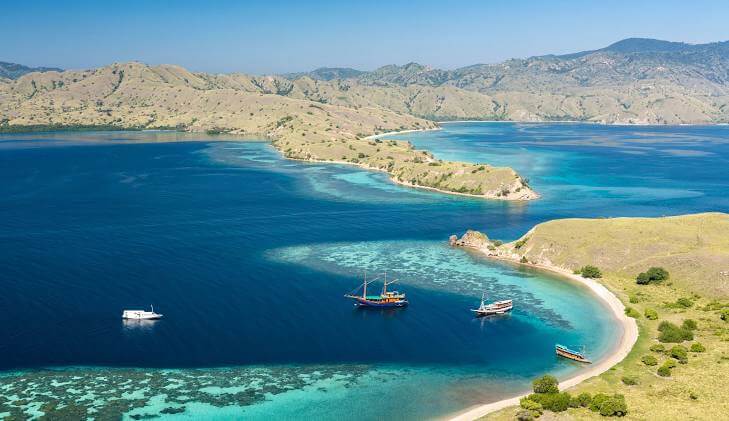
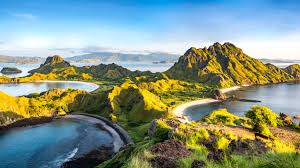
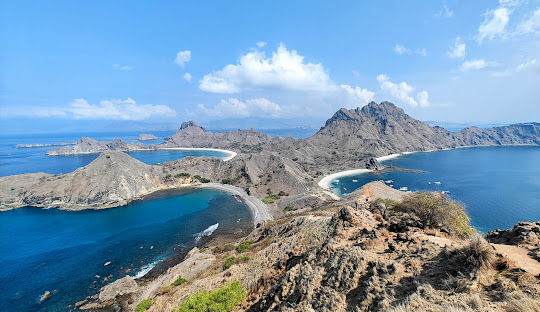
For nature lovers, the surrounding area offers a beautiful landscape to explore. The proximity to Komodo National Park means that you're not far from some of Indonesia's most spectacular wildlife and natural beauty. You could combine your cultural visit with an adventure to see the legendary Komodo dragons or enjoy snorkeling in the crystal-clear waters nearby, known for their rich marine life.
| 📌 Address | 9RX5+CR6, Warloka, Komodo, West Manggarai Regency, East Nusa Tenggara, Indonesia |
| ⏰ Opening Hours | 8:00 AM - 5:00 PM |
| 💸 Entrance Fee | Free |
Warloka Village is known for its archaeological importance, featuring relics from the megalithic era and remnants from the trade with Chinese and Vietnamese seafarers, reflecting its role as an ancient trading port.
In Warloka Village, you can see ancient relics such as stone sarcophagi, Dong Son drums, ceramics, and other antiquities that suggest a rich cultural exchange with other sea-trading civilizations.
Warloka Village is not typically a place to see Komodo dragons, as they are mainly found in the Komodo National Park. However, it's possible to arrange tours through the park where you might encounter these creatures in a natural habitat.
To get to Warloka Village from Labuan Bajo, you can hire a local boat or join a guided tour that includes a visit to the village as part of the itinerary exploring the Komodo National Park and surrounding areas.
The best time to visit Warloka Village is during the dry season, which runs from April to December, as the weather is more predictable and suitable for boating and exploring the outdoor historical sites.