+1 617 404 2125
Sade Village




Search


| 📌 Address | Rembitan, Pujut, Central Lombok Regency, West Nusa Tenggara 83573, Indonesia |
| ⏰ Opening Hours | 3:00 AM - 7:00 PM |
| 💸 Entrance Fee | Free |

Rambitan Traditional Sasak Village, or often simply known as Desa Rambitan, is a living museum showcasing the rich heritage of the Sasak people on the enchanting island of Lombok, Indonesia. Nestled among lush greenery and undulating hills, it stands as a bastion of traditional architecture and time-honored customs peculiar to this indigenous group. Here, life seemingly moves at the same gentle pace as it did centuries ago, with villagers going about their routines in much the same way as their ancestors.

Our Nusa Penida Private Boat Snorkeling Tour is one of our newest and most anticipated tours in Bali! On this tour in Bali, you'll get to island hop on a privat...
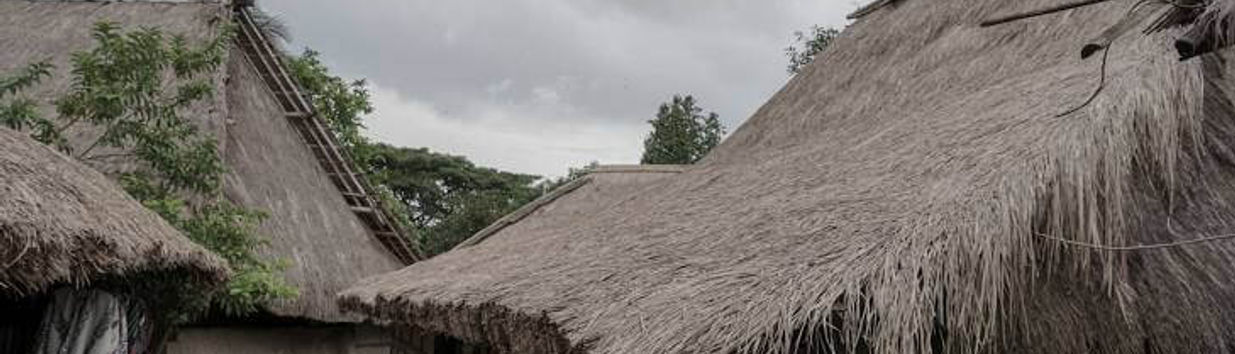
The village features a collection of unique Sasak houses called 'bale tani', made from bamboo and thatch and built on stilts, a method employed to protect inhabitants from wild animals and the damp soil. These dwellings are characterized by their distinctive roofs, which curve like the hull of a ship, pointing towards the sky. As you maneuver through the village's narrow lanes, a sense of stepping back in time washes over you, giving a surreal encounter with a living culture rather than artifacts in a museum.
The history of Rambitan Village is interwoven with the story of the Sasak people, whose lineage dates back to the early inhabitants of Lombok. The Sasak culture is a tapestry of animistic beliefs, Hindu-Buddhist influences, and latterly Islam, all of which have left an indelible mark on their way of life. The very architecture of the village, with its alang-alang thatched roofs, is designed according to ancient techniques passed down through generations.
One of the striking historical aspects of Rambitan is the persistence of the village structure despite the modernizing forces felt throughout Indonesia. This robust cultural preservation is a testament to the community's determination to maintain their unique identity. The village is not only a habitat for the Sasak people but acts as a guardian of their lore, serving as a place where youngsters are immersed in the old ways from birth, ensuring their heritage endures.
The influence of the Dutch colonial past and the Indonesian government's tourism policies have also played roles in shaping the village's present state. Efforts have been made to protect and promote Sasak culture through tourism, with Rambitan as a prime example where guests can glimpse into the daily existence and rich heritage of the Sasak people.
Rambitan holds a pivotal place in the cultural landscape of Lombok because it is one of the few Sasak villages that has been preserved and remains operational in its original form. As living history, the village imparts invaluable insights into the Sasak way of life, not just for visitors but for young Sasak generations as well. It's a place where the fabric of traditional Sasak society is on full display: from their distinctive hand-woven textiles to the community's social structures.
It acts as an ambassador of Lombok's cultural diversity, assisting in keeping old traditions alive in the face of global cultural homogenization. The village's importance extends beyond tourism; it is an ongoing sociocultural experiment, bridging the gap between the past and the future. Moreover, the genuine hospitality and the willingness of the villagers to share their way of life transform every visit into a deeply personal and enriching experience.
These living traditions are crucial not only for cultural preservation but also for providing sustainable means of livelihood to the local community through respectful and responsible tourism. In essence, Rambitan Traditional Sasak Village is more than a destination; it's a pulsating epicenter of Sasak culture that fosters understanding and appreciation of this unique community.
Visiting Rambitan offers a multitude of experiences. One can take part in guided tours to learn about the customs, architecture, and history of the Sasak people. These tours are often conducted by locals who provide rich anecdotes and insights that you won't find in any guidebook. Observing daily life in the village, from the art of weaving traditional Sasak textiles to the making of earthenware pots, is a marvel to behold. There's nothing quite like the hands-on experience of watching artisans at work.


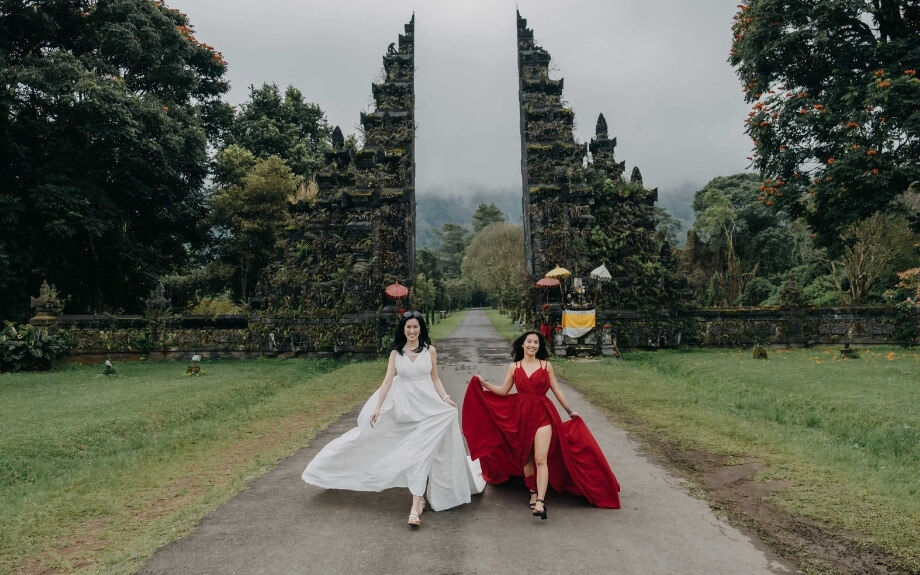
Cultural Performances: Occasionally, the village hosts traditional dance and music performances. If you're lucky enough to visit when one is scheduled, you will be treated to the melodic rhythms of the gamelan and the graceful movements of the dancers dressed in their colorful attire, a vision that captures the soul of Lombok.
Local Cuisine: The culinary scene of Rambitan represents the flavors of Lombok. Trying out some Sasak food staples, such as 'ayam taliwang' (spicy grilled chicken) and 'plecing kangkung' (water spinach with chili sauce), gives an authentic taste of the local fare.
Take Home a Piece of Sasak Culture: Handicraft shops within the village offer a wide range of souvenirs. You'll find intricately woven textiles like 'songket' and 'ikat', and originally crafted pottery items, perfect mementos to remember your visit by.
In the weave of every thread and the curve of every pot, there are stories and skills that have transcended time – making a trip to Rambitan Traditional Sasak Village a profound journey into the heart of Lombok's heritage.
| 📌 Address | Rembitan, Pujut, Central Lombok Regency, West Nusa Tenggara 83573, Indonesia |
| ⏰ Opening Hours | 3:00 AM - 7:00 PM |
| 💸 Entrance Fee | Free |
Rambitan Traditional Sasak Village is a cultural village on the island of Lombok, Indonesia, that showcases the traditional lifestyle and architecture of the indigenous Sasak people.
Visitors at Rambitan Traditional Sasak Village can experience local culture by observing traditional Sasak houses, watching weaving demonstrations, and learning about the community's way of life.
The houses in Rambitan Village have unique architectural features such as bamboo walls, thatched roofs made from alang-alang grass, and raised platforms to protect from floods and pests.
There is typically a small entrance fee to visit Rambitan Traditional Sasak Village, which goes toward the maintenance of the village and support of the local community.
The best time to visit Rambitan Traditional Sasak Village is during the dry season, from May to September, when the weather is more favorable for exploring the village and interacting with the locals.