+1 617 404 2125
Desert Park Natural Reserve




Search


| 📌 Address | Carretera Transpeninsular 19.5, Tourist Corridor, 23457 B.C.S., Mexico |
| ⏰ Opening Hours | 8:00 AM - 5:00 PM |
| 💸 Entrance Fee | Free |

Desert Park Natural Reserve is an oasis of sorts, a preservation space that captures the serene beauty and diverse ecology of the Baja California desert near Los Cabos. This area isn't just a swath of sand; it's where rugged desert terrain meets the crystal waters of the Sea of Cortez. It serves as a haven for an array of flora and fauna, some of which you find nowhere else on Earth.
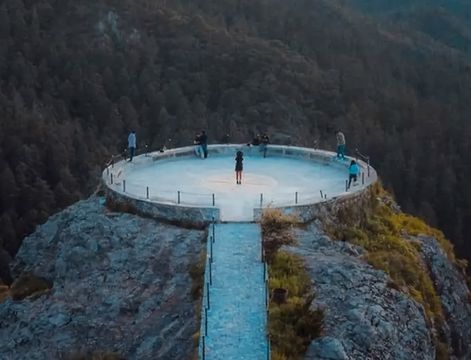
The Mexico City Basaltic Prisms Tour should be at the top of your list if you want to see the natural wonders of the city. Including your own tour guide and pri...
Here, you have the opportunity to explore and engage with a natural environment that remains largely untainted by human activity. Picture yourself walking through cacti-filled landscapes, spotting roadrunners skittering across the trails, and listening to the silence that only a desert can provide. Desert Park Natural Reserve is more than a destination; it's a profound interaction with nature.
The Desert Park Natural Reserve is steeped in a rich history that intertwines with the cultural and natural narrative of Los Cabos and Baja California Sur. For centuries, the region has been inhabited by indigenous groups who lived in harmony with the arid landscape. With the arrival of European explorers and subsequent settlers, the land began to see changes.
Recognizing the need to preserve this unique environment, conservation efforts in the latter part of the 20th century aimed to protect the area from overdevelopment. The establishment of the reserve was a crucial step in ensuring the survival of the native species and the natural beauty that characterizes the Baja Peninsula. Over the years, it has grown into an area for research, education, and eco-tourism.
Through the conservation initiatives, Desert Park Natural Reserve has remained largely untouched, allowing visitors to experience the desert much like the first inhabitants and explorers did. It stands as a testament not only to the history of Baja California Sur but also to the commitment to environmental preservation.
From an ecological standpoint, Desert Park Natural Reserve is a gem. The reserve encompasses an astonishing diversity of desert life. It's important as a sanctuary for the endemic species of plants and animals that have adapted to thrive in the harsh desert conditions. Here, conservation meets education, as visitors learn about the delicate balance required to maintain such an ecosystem.
But the importance of Desert Park Natural Reserve extends beyond biology. It's a place that fosters spiritual and physical well-being. The solitude and pervasive sense of calm one experiences here can be deeply restorative. For the local community and visitors alike, the reserve also represents a cultural asset, preserving a landscape that has shaped the heritage and traditions of the people in the region.
In an era where natural spaces are declining, Desert Park Natural Reserve stands as an example of what can be achieved through focused conservation efforts. It balances human enjoyment with ecological preservation, ensuring that this corner of nature remains untouched for generations to come. Small, guided tours often emphasize this balance, focusing on understanding and respecting the natural world.
As you venture into Desert Park Natural Reserve, there's a tapestry of activities waiting for you. Embark on guided nature walks or interpretive trails to learn about the desert's ecosystem. For the more adventurous, there are also opportunities for mountain biking and off-road excursions that provide a closer look at the region's varied landscapes.


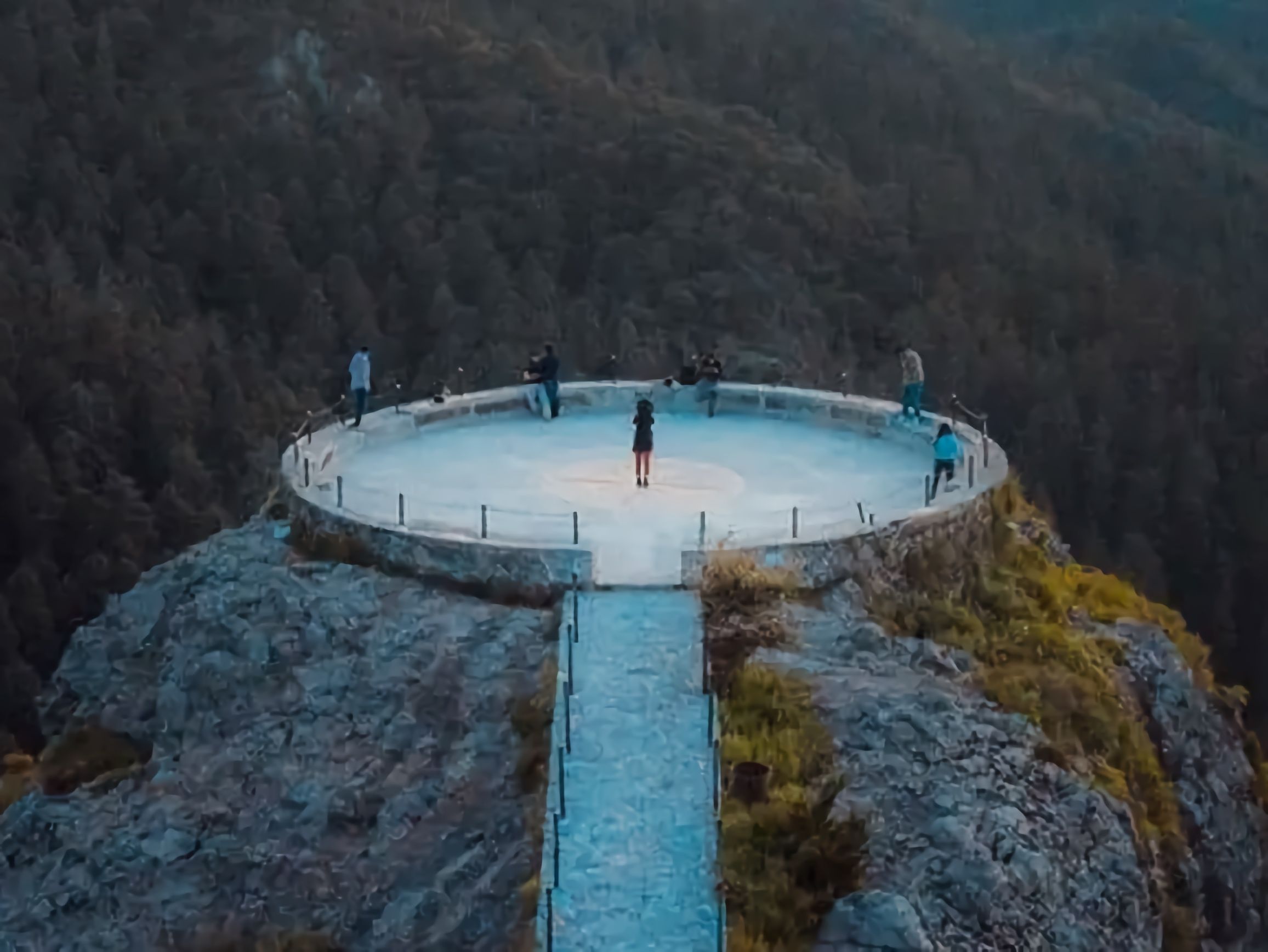
Wildlife viewing is a must. Keen eyes may spot creatures from the tiniest lizards basking in the sun to hares darting under the brush. Indigenous plant species, like the towering cardón cacti and aromatic herbs, offer a fragrant and visual treat. If you're interested in bird watching, the reserve is a haven for regional birdlife; don't forget your binoculars!
Those looking for a connection to the local culture might enjoy the artisan workshops often hosted within the reserve, where the traditional crafts and skills of the region are celebrated and taught. And let's not forget the stargazing. With minimal light pollution, the desert night sky in the reserve is an ethereal spectacle that enchants anyone who gazes upward. Each experience at Desert Park Natural Reserve is unique, and I encourage you to engage with all your senses to fully appreciate this incredible place.
| 📌 Address | Carretera Transpeninsular 19.5, Tourist Corridor, 23457 B.C.S., Mexico |
| ⏰ Opening Hours | 8:00 AM - 5:00 PM |
| 💸 Entrance Fee | Free |
The Desert Park Natural Reserve is a protected area in Los Cabos that showcases the diverse desert ecosystem, including flora and fauna native to the Baja California Peninsula.
Visitors can engage in various activities such as guided nature walks, wildlife spotting, bird watching, and learning about the local ecology and conservation efforts.
Yes, guided tours are available for visitors to learn about the natural history and biodiversity of the reserve from knowledgeable guides.
The best time to visit is during the cooler months from November to March when the weather is more comfortable for outdoor activities.
There may be an entrance fee for the Desert Park Natural Reserve. It's advisable to check the most up-to-date information before planning your visit.