+1 617 404 2125
San Jose Estuary




Search



| 📌 Address | WXJ2+4Q, San José Province, San Pedro, La Granja, Costa Rica |
| ⏰ Opening Hours | 12:00 PM - 6:00 PM |
| 💸 Entrance Fee | Free |

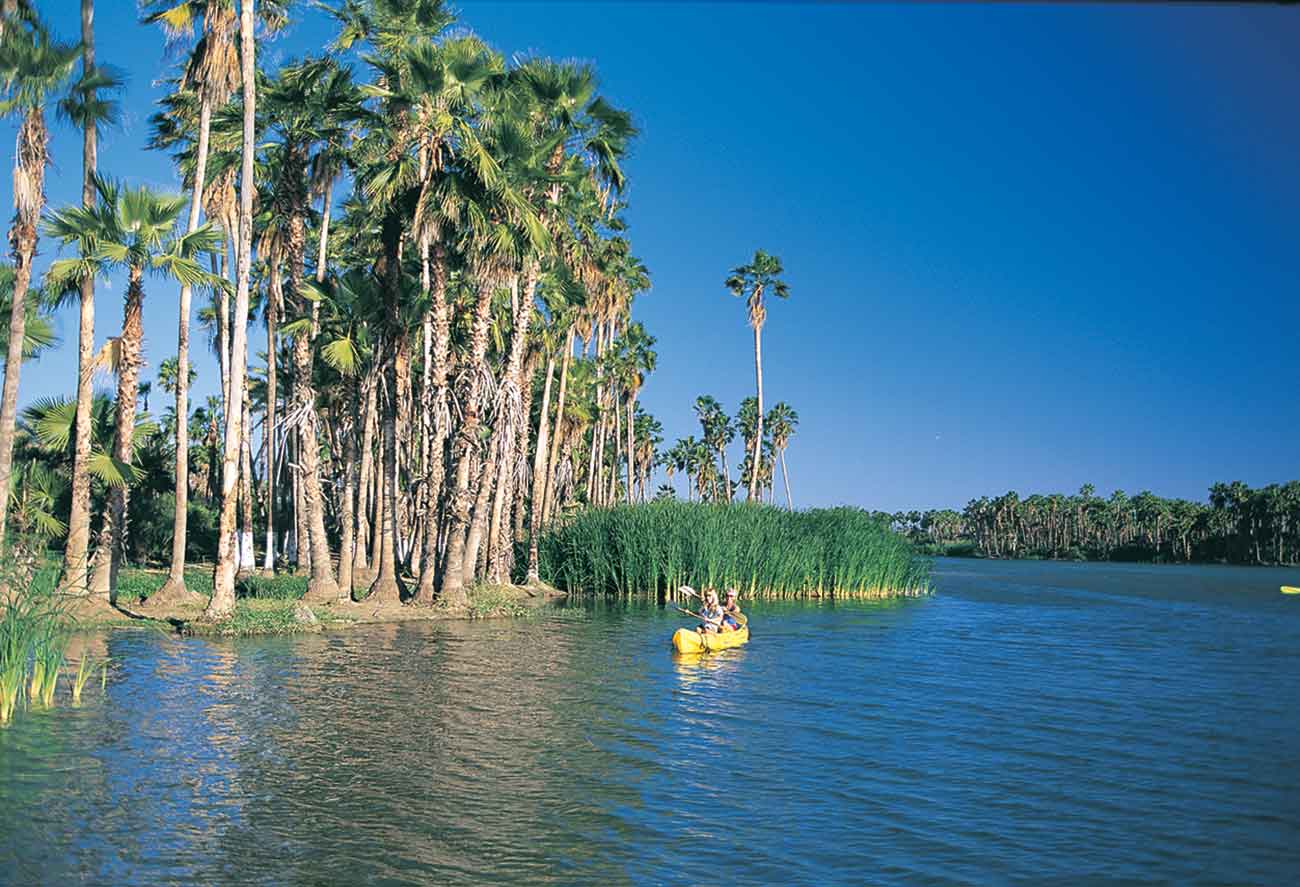
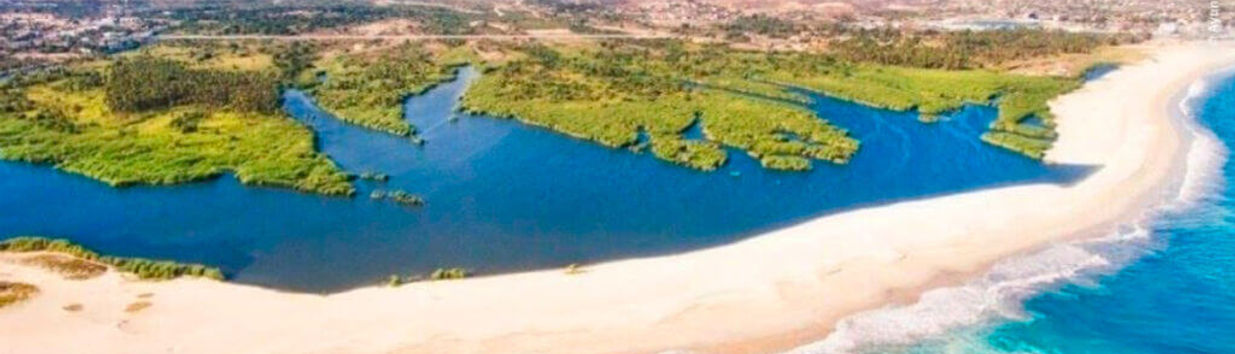
The San Jose Estuary is a tranquil oasis amidst the bustling tourism of Los Cabos. It's a natural sanctuary where fresh water from the San Jose del Cabo river meets the salt water of the Sea of Cortez, creating a unique brackish environment. As a guide who's wandered these parts for years, I've always found the estuary to be a place of remarkable serenity and ecological significance. Home to countless bird species, it's a birdwatcher's paradise, with lush vegetation and a peaceful atmosphere that seems worlds away from the nearby beach resorts.

We couldn't make our Mexico City tours without thinking about the foodies! They say that food is a window to a culture's soul, and we have to agree; our Mexico ...
Historically, the estuary has played a critical role for the region's human habitation. It supported the Pericúe people, some of Baja California's original inhabitants, providing them with a rich source of food and water. The Spaniards who arrived in the 1700s also recognized its value, establishing the Mission of San José del Cabo Anuití nearby, around which the modern city eventually grew. Over the years, the estuary has seen its share of changes, with efforts to preserve its beauty and ecological importance becoming more significant as development in Los Cabos has intensified.
This estuary isn't just important—it's a sublime testament to nature's adaptability and richness. As someone who's explored each nook and cranny of this place, let me tell you, the San Jose Estuary is crucial for many reasons. Ecologically, it's a habitat for numerous species that are dependent on the estuarine environment. It also functions as an essential filtration system for the region, improving water quality and helping to balance the local ecosystem. For locals and visitors, it provides a green, calm space for recreation, education, and simply escaping the hubbub of daily life.
When visiting the San Jose Estuary, prepare for an experience infused with nature and tranquility. As you stroll along the network of trails, keep an eye out for diverse birdlife—the estuary is a stopover for migratory birds, making it a prime spot for birdwatching. You might spot species such as herons, egrets, and pelicans.
If you're patient, you may even observe some of the local inhabitants like the Xantus's Hummingbird or the Belding's Yellowthroat. Fishing enthusiasts will find the estuary inviting, as it's home to species like snook and mullet, though catch and release is encouraged to preserve the natural habitat.



Don't forget to bring your camera, as the juxtaposition of desert landscapes with lush wetlands makes for stunning photographs, particularly at sunrise or sunset when the light is just right. While walking paths are straightforward, taking a guided tour can enrich your visit with stories and insights that aren't found in any brochure. And remember, while exploring, to respect the natural environment—it's a fragile ecosystem that we're fortunate to have the chance to enjoy.
| 📌 Address | WXJ2+4Q, San José Province, San Pedro, La Granja, Costa Rica |
| ⏰ Opening Hours | 12:00 PM - 6:00 PM |
| 💸 Entrance Fee | Free |
The San Jose Estuary is a natural habitat located near San Jose del Cabo in Los Cabos, Mexico. It's a protected reserve that provides a sanctuary for various species of wildlife, including birds, fish, and plants. It's an important ecological area for conservation and a popular spot for bird watching and nature tours.
Visitors can explore the San Jose Estuary through guided tours which often include bird watching, nature walks, and sometimes kayaking. There are walkways and trails designed for tourists to enjoy the scenery without disrupting the wildlife.
The San Jose Estuary is home to a myriad of wildlife including different species of migratory and local birds, aquatic creatures like fish and sometimes even sea turtles, as well as a diverse range of plant life typical of a subtropical wetland ecosystem.
There are usually no entrance fees to visit the open areas of the San Jose Estuary, but visitors are expected to follow certain regulations to preserve the natural habitat. This includes not littering, staying on designated paths, and respecting the wildlife. Some specific tours or activities might come with a fee.
The best time to visit the San Jose Estuary is during the dry season from November to May when the weather is mild, and the wildlife, especially the birds, is most active. Early mornings or late afternoons are typically the best times of day to witness the animal activity.