+1 617 404 2125
Bahay Tsinoy




Search


| 📌 Address | 32 Anda St, Intramuros, Manila, 1002 Metro Manila, Philippines |
| ⏰ Opening Hours | 10:00 AM - 5:00 PM |
| 💸 Entrance Fee | PHP 100 |

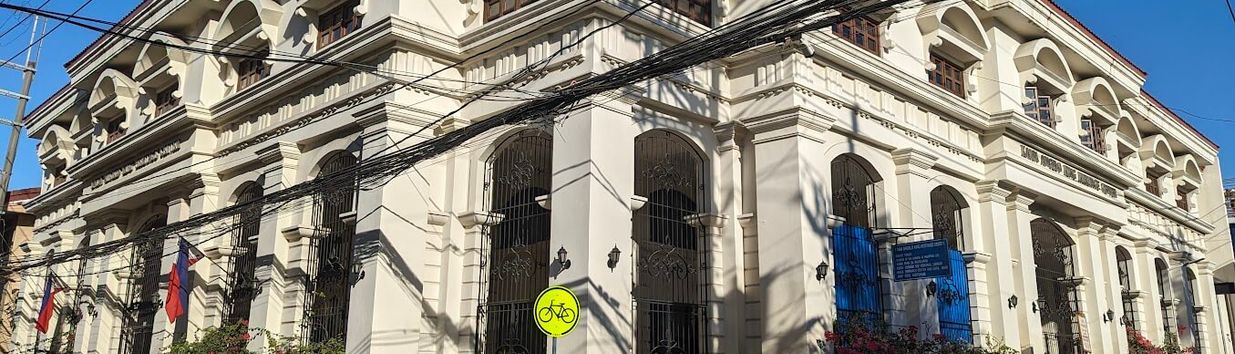
Bahay Tsinoy is a museum located in the heart of Intramuros, Manila's oldest district and historic core. This unique museum is dedicated to chronicling the Chinese influence in Filipino culture, history, and national identity. The name itself, a combination of 'Bahay,' which means house in Filipino, and 'Tsinoy,' a term for Filipino-Chinese, encapsulates the fusion of these cultures in the Philippines. Bahay Tsinoy stands not only as a repository of artifacts but also as a testament to the enduring relationship between China and the Philippines – a relationship that has moulded various facets of Filipino life, from cuisine to language, religion to commerce.
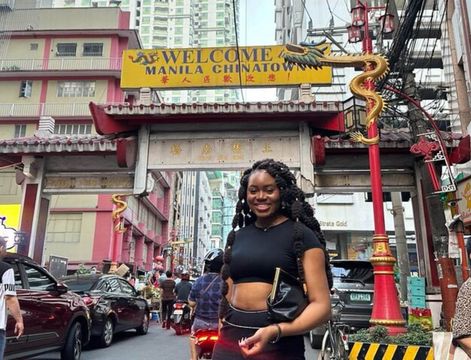
Experience Intramuros after dark on our Love, War & Faith Night Walk. Wander lantern-lit cobblestone streets, visit solemn memorials, plazas, and Fort Santiago,...
Established by the Kaisa Para Sa Kaunlaran, a non-profit organization aimed at promoting understanding between the Chinese and Filipinos, Bahay Tsinoy was opened to the public in 1996. The museum was an initiative to present the history of China-Philippine relations in an integrated, comprehensive manner. It highlights centuries of Chinese presence in the country, marked by times of trade, collaboration, and coexistence. Many of the artifacts showcased in Bahay Tsinoy have been meticulously collected to interpret the life and contributions of the Chinese in the Philippine societal tapestry. The museum, through its collections and exhibits, offers a narrative that is often underrepresented in mainstream historical accounts of the Philippines.
Bahay Tsinoy is important for several reasons. Firstly, it serves as a cultural bridge that fosters understanding and appreciation between the Filipino and Chinese communities. It deftly weaves the story of a minority's role in shaping a nation, offering insight into the shared history and mutual influence between the Chinese migrants and the indigenous Filipino population. Have you ever considered how intertwined our histories are? For anyone interested in the rich tapestry of Filipino culture, Bahay Tsinoy is an important pit stop to gain a deeper understanding of how much of it has been infused with Chinese tradition.
Beyond its cultural significance, Bahay Tsinoy also serves as an educational resource. It provides a critical lens through which scholars and students can examine the Filipino-Chinese experience—an essential part of the Philippines' history and development. In a broader context, the museum highlights the importance of tolerance and the positive outcomes of cultural exchanges, reminding us that diversity has long been, and continues to be, a strength of the Filipino nation.
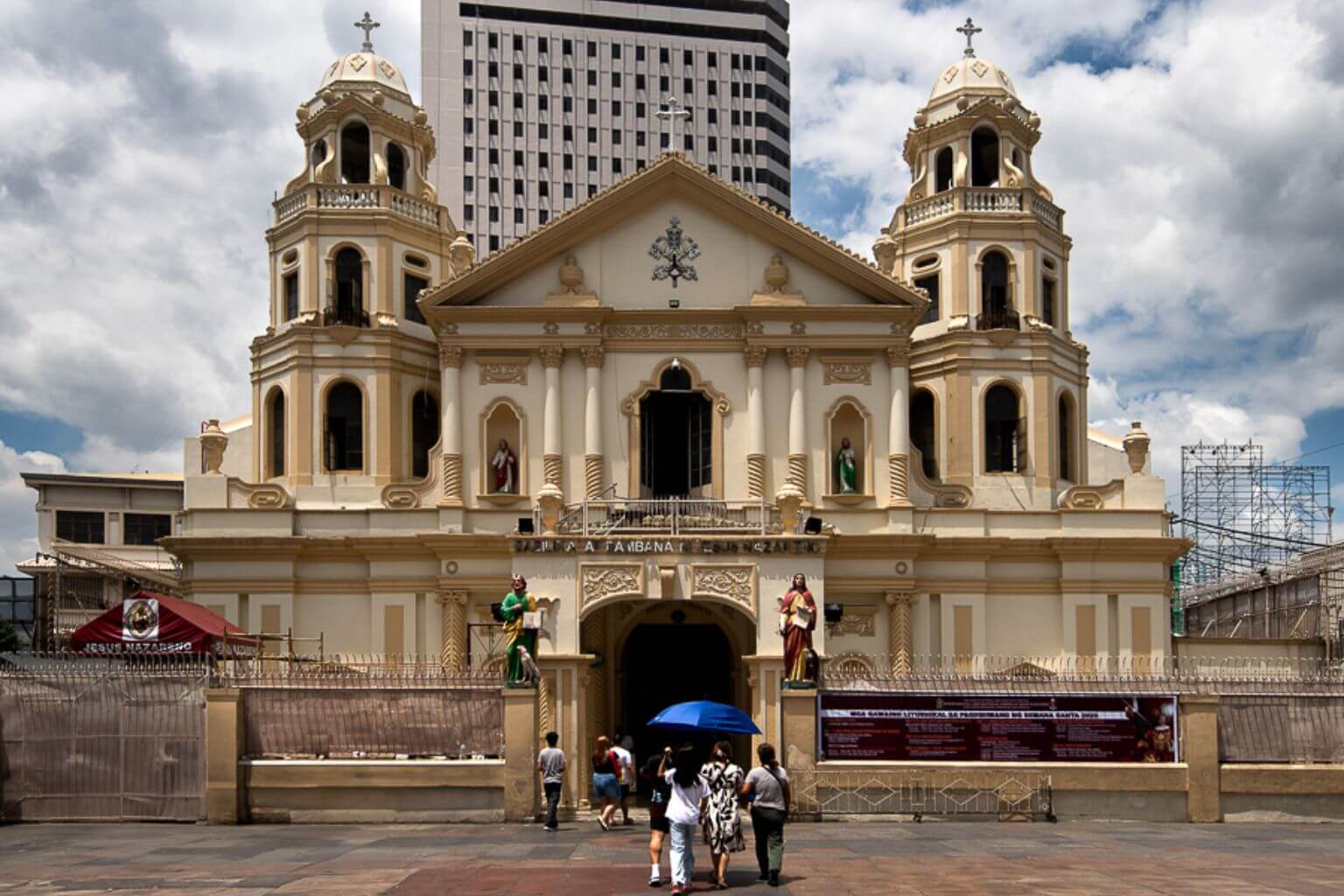

When you visit Bahay Tsinoy, there's a variety of experiences waiting for you. The museum itself is divided into several thematic sections, each telling a part of the story. The Gallery of the Chinese in Pre-Hispanic Times provides a glimpse into early trade and interactions. Meanwhile, the Gallery of the 19th Century Binondo illustrates the Chinese community's life within the world's oldest Chinatown,established in Manila.
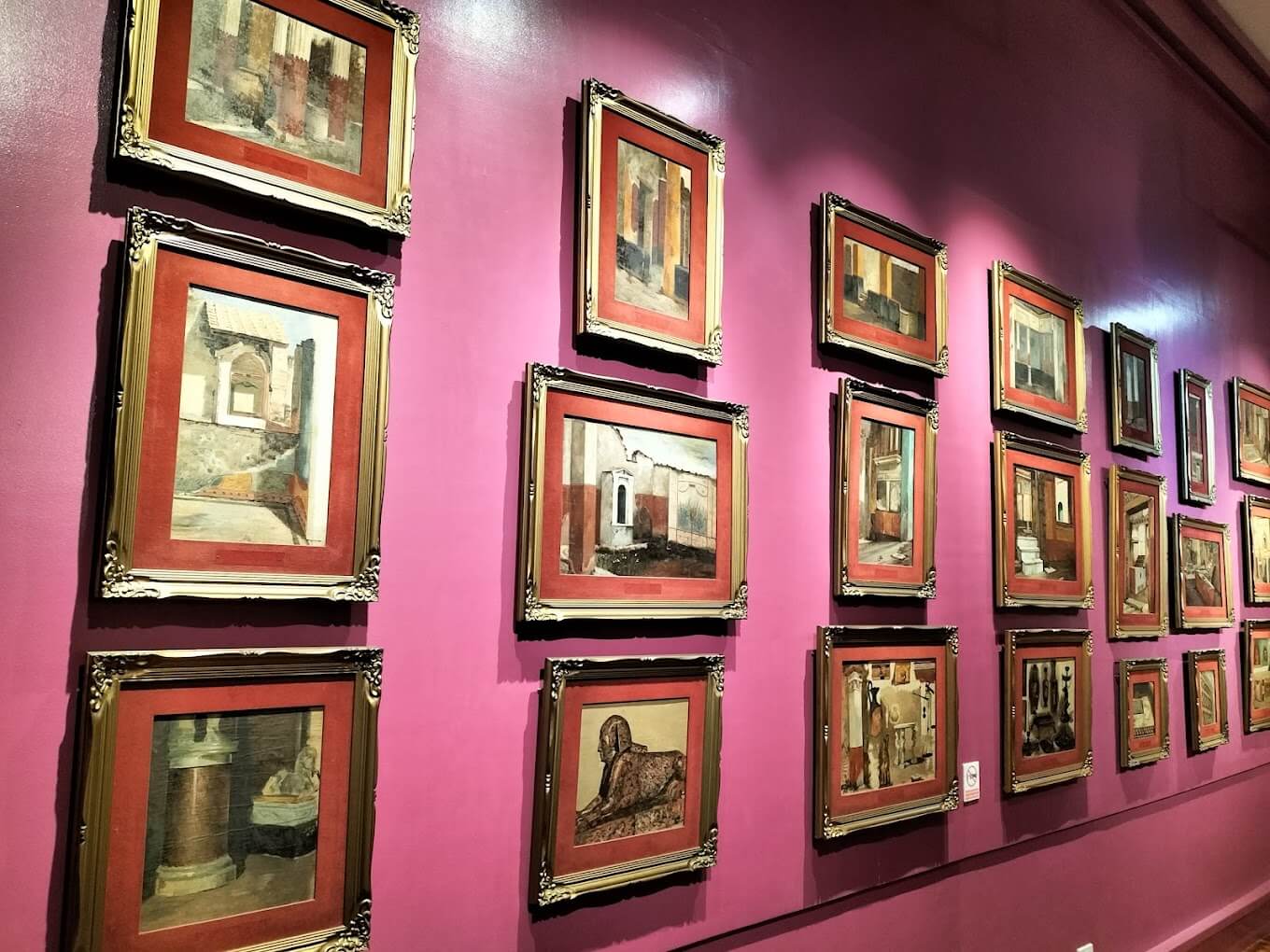
One of the most engaging sections is the Gallery of Rare Prints and Photographs, where you can see visual documentation of the Chinese influence in the Philippines. And don't miss the Martyr's Hall, which pays homage to Chinese-Filipinos who fought for the country’s independence. The lifelike figures in these dioramas are almost as if they're inviting you into their world – have you ever stood beside a figure so realistic, it felt like they'd start speaking to you? The Bahay Tsinoy facilitates that level of immersion.
Furthermore, you'll find a traditional Chinese house recreated, complete with furniture and fixtures from centuries past, offering a tangible feel of daily life. To top off your visit, the museum also houses a library specializing in Chinese-Filipino history and a gift shop where you can pick up unique souvenirs and literature. For those who truly want to delve deep, the museum's guided tours, often led by passionate historians, are a wealth of knowledge and anecdotes that can't be found in guidebooks or online searches!
| 📌 Address | 32 Anda St, Intramuros, Manila, 1002 Metro Manila, Philippines |
| ⏰ Opening Hours | 10:00 AM - 5:00 PM |
| 💸 Entrance Fee | PHP 100 |
Bahay Tsinoy is a museum located in Manila that showcases the contributions of the Chinese to Philippine history and culture, with exhibits covering various aspects of life and the interwoven relationship between the Filipino and Chinese communities.
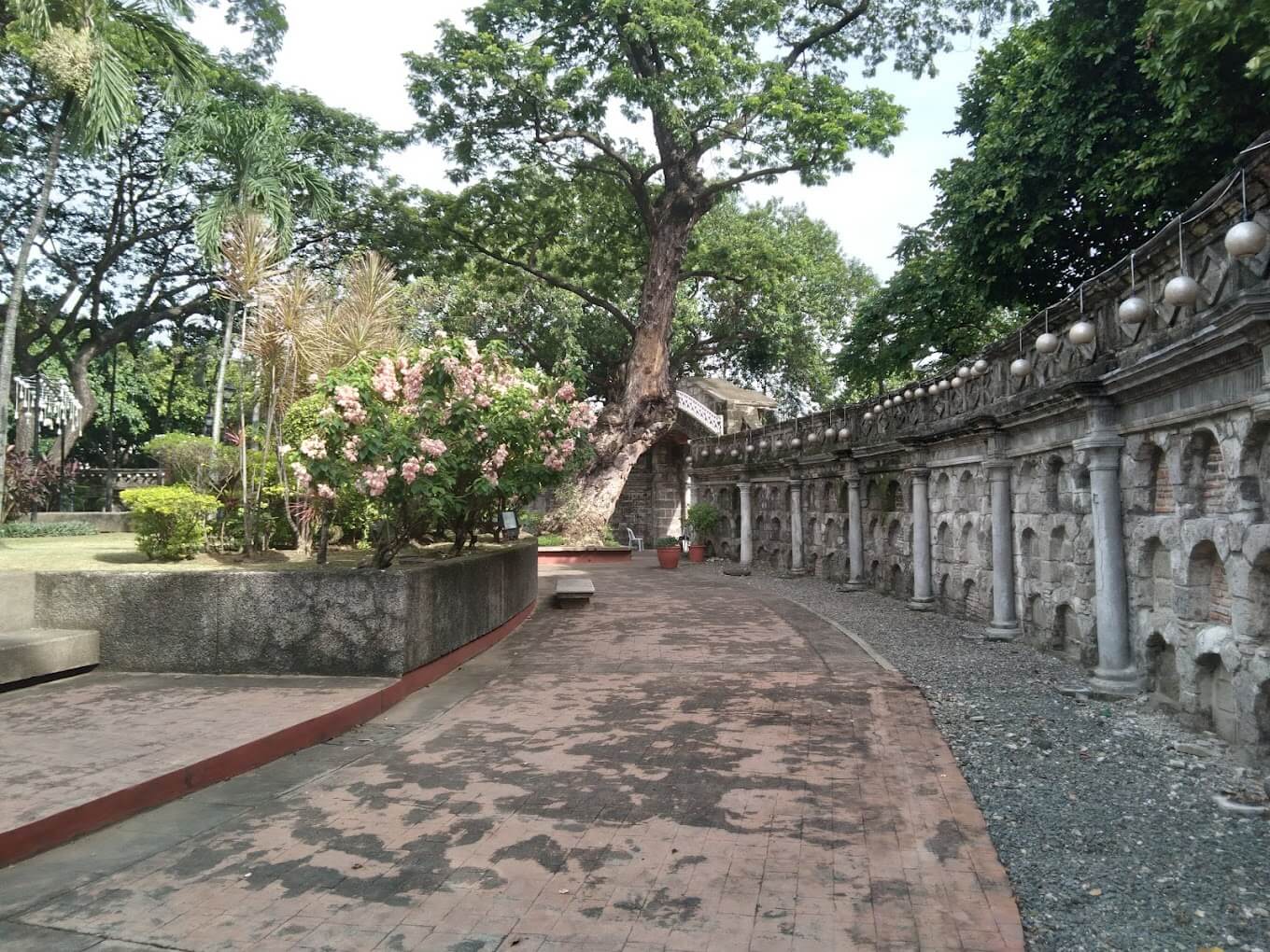
Bahay Tsinoy is situated in the Intramuros area of Manila, known for its historical significance as the old walled city and a heritage district.
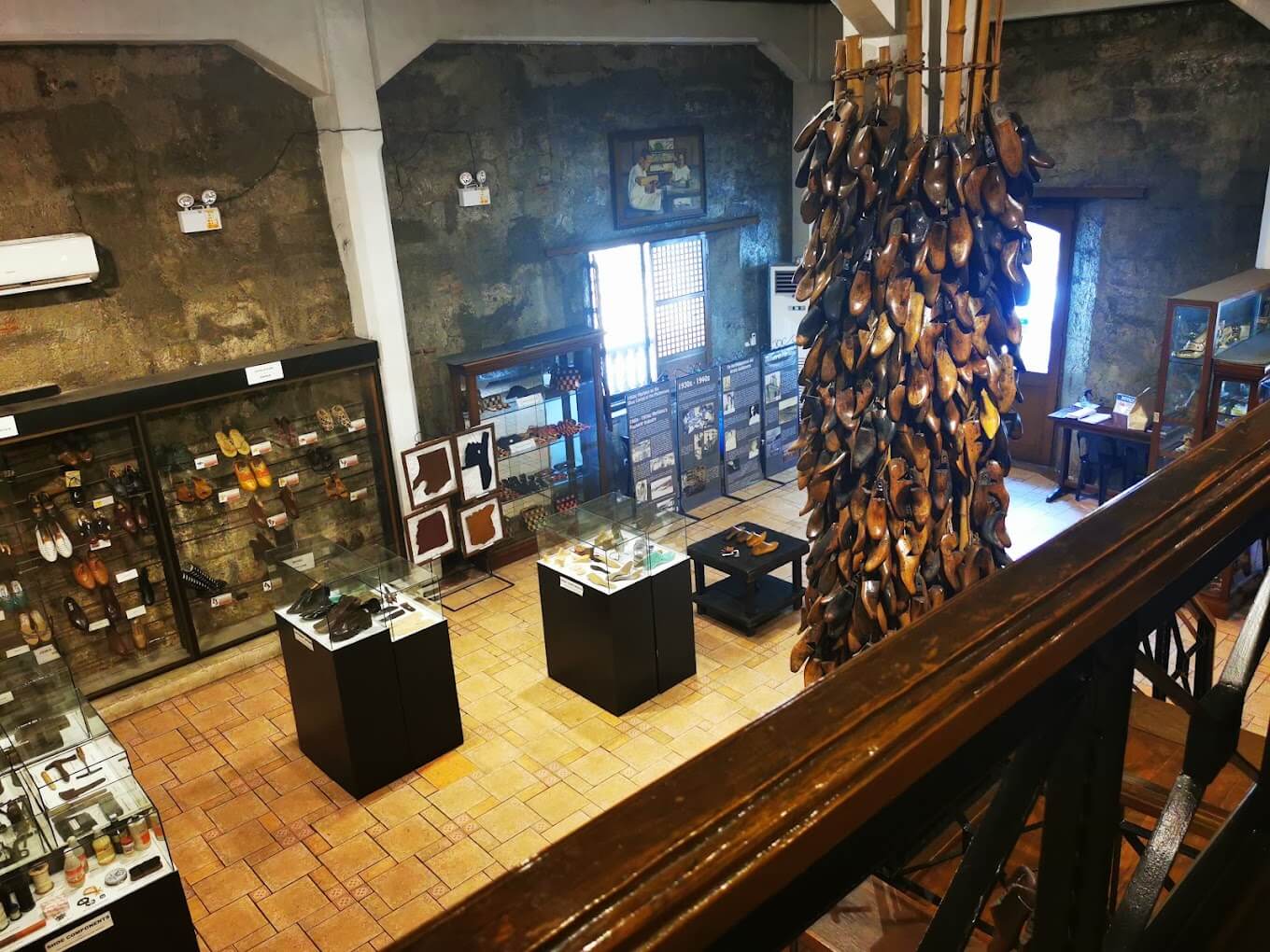
Visitors to Bahay Tsinoy can expect to see a wide range of exhibits, including life-sized dioramas, archival photos, and historical artefacts that depict the integration of Chinese culture with Filipino history.
The operating hours of Bahay Tsinoy can vary, so it is best to check their official website or contact them directly for the most accurate and up-to-date information before planning a visit.
Yes, there is usually an entrance fee to visit Bahay Tsinoy, with different rates for adults, students, and senior citizens. Again, it's advisable to verify the current rates through their official channels.