+1 617 404 2125
Coconut Palace
Discover Coconut Palace in Manila, a Filipino heritage landmark known for its coconut-shell architecture, local craftsmanship, and history.




Search

Discover Coconut Palace in Manila, a Filipino heritage landmark known for its coconut-shell architecture, local craftsmanship, and history.
 Discover Coconut Palace in Manila, a Filipino heritage landmark known for its coconut-shell architecture, local craftsmanship, and history.
| 📌 Address | Roxas Boulevard, Malate, Manila, 1000 Metro Manila, Philippines |
| ⏰ Opening Hours | 8:00 AM - 5:00 PM |
| 💸 Entrance Fee | Free |

The Coconut Palace, also known as Tahanang Pilipino, is a true architectural marvel located in the vibrant city of Manila, Philippines. It's a palace made almost entirely out of coconut shells and other indigenous materials, showcasing the versatility and beauty of these native resources. Designed by the famed architect Francisco Mañosa, the palace is not just a building; it's a testament to Filipino creativity and ingenuity. It was originally constructed to offer the world a glimpse into the cultural heritage of the Philippines through its unique design and materials.
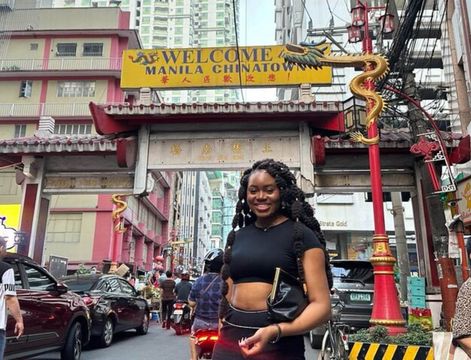
Experience Intramuros after dark on our Love, War & Faith Night Walk. Wander lantern-lit cobblestone streets, visit solemn memorials, plazas, and Fort Santiago,...
The history of the Coconut Palace goes back to 1978 when it was commissioned by the then First Lady Imelda Marcos for a visit by Pope John Paul II. Built at a cost of PHP 37 million, the structure was intended not just as a guest house for the pope but also as a celebration of Philippine culture. Interestingly though, the pope declined to stay in the palace, citing the ostentatious display amidst the poverty in the country at the time. After its completion in 1981, the palace served multiple purposes; from being a government office to a venue for social and official gatherings, it has played host to numerous dignitaries and famous personalities over the years.
The significance of the Coconut Palace stretches beyond its physical beauty. It's important on several levels, starting with its representation of Filipino artistic craftsmanship. The extensive use of coconut and other local materials served as a showcase of sustainable building practices, long before the world started the conversation on environmental conservation. Moreover, it serves as a cultural emblem that reflects the aspirations and identity of the Filipino people during a pivotal time in their history. Now, as part of the Cultural Center of the Philippines Complex, it stands not only as a piece of history but also as a beacon of Philippine heritage and ingenuity.


| 📌 Address | Roxas Boulevard, Malate, Manila, 1000 Metro Manila, Philippines |
| ⏰ Opening Hours | 8:00 AM - 5:00 PM |
| 💸 Entrance Fee | Free |
The Coconut Palace, also known as Tahanang Pilipino, is a government building located in Manila, Philippines, known for its unique architecture and use of coconut and other indigenous Philippine materials in its construction.
Visitors can typically tour the Coconut Palace by booking a guided tour, often arranged through the Cultural Center of the Philippines or by directly contacting the palace's administrative office.
Highlights of the Coconut Palace include its architecture, which showcases Philippine craftsmanship, the use of coconut shells and hardwood in its design, and the furniture made from coconut lumber and other local materials.
The historical significance of the Coconut Palace lies in its representation of Filipino culture and heritage, as well as its association with former First Lady Imelda Marcos, who commissioned it for the visit of Pope John Paul II in 1981.
Yes, there is typically an admission fee to enter the Coconut Palace, and the rates may vary depending on the type of access provided and whether the visitor is a local resident or a foreign tourist.