+1 617 404 2125
Fort Santiago




Search


| 📌 Address | HXVC+M5V, Intramuros, Manila, 1002 Metro Manila, Philippines |
| ⏰ Opening Hours | 9:00 AM - 8:00 PM |
| 💸 Entrance Fee | PHP 75 |

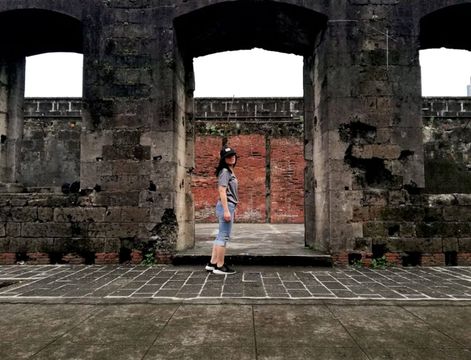
Fort Santiago is a citadel first built by Spanish conquistador, Miguel López de Legazpi, for the new established city of Manila in the Philippines. The fortress is part of the structures of the walled city of Intramuros, located at the mouth of the Pasig River. It is one of Manila's most significant historical sites, as its walls have witnessed a multitude of crucial events throughout Philippine history.
From historic cobblestone streets, centuries-old churches, and scenic fortress gardens, our Complete Manila Eco-Culture Tour is perfect for travelers who want t...
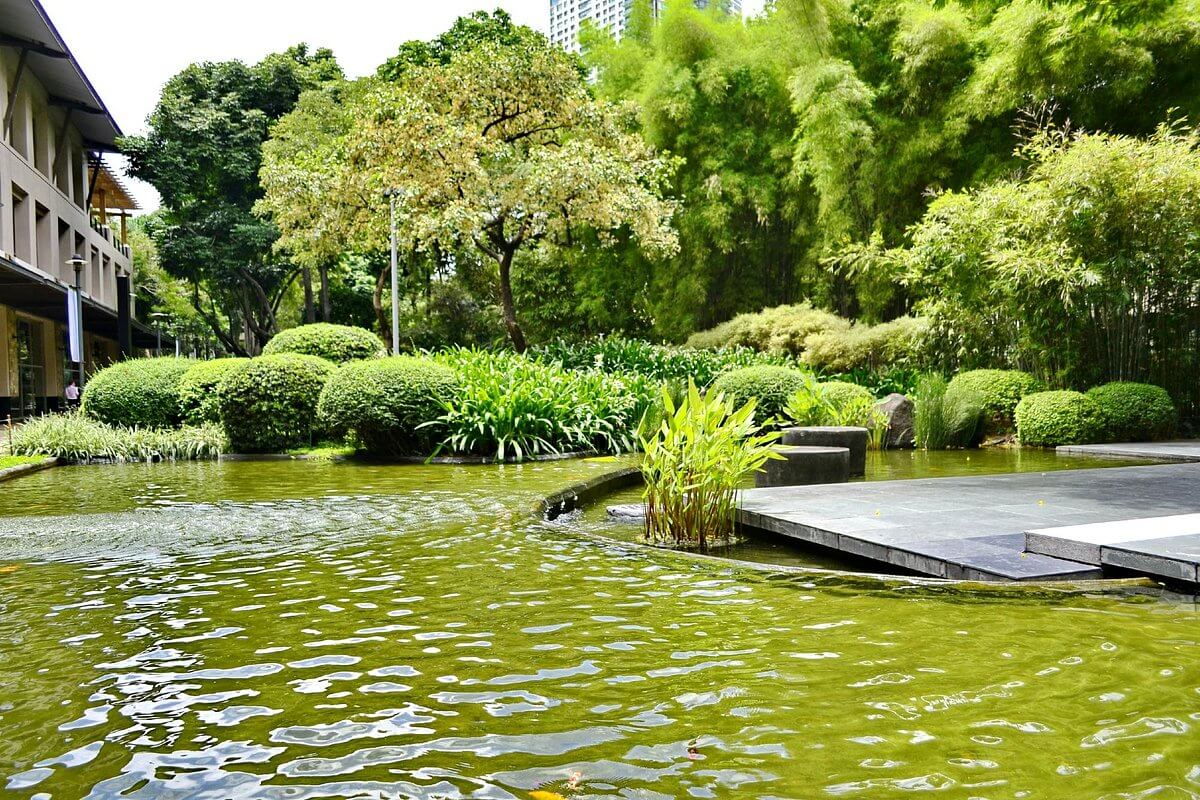
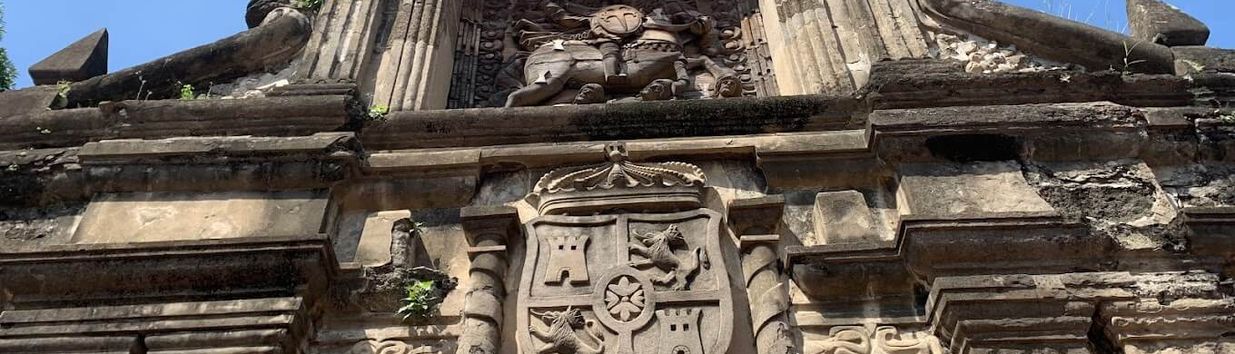
It's a beautiful mix of crumbling walls, open green gardens, and resonant historical weight. As someone who's traipsed through its corridors and grounds countless times, I can attest to the powerful sense of history that pervades the area. From the iconic Spanish-style gates to the dungeons that once held prisoners, Fort Santiago offers a journey back in time to observers interested in the rich tapestry of Manila's past.
The history of Fort Santiago is as turbulent as it is fascinating. Established in 1593, the fort was named after Saint James the Great (Santiago in Spanish), the patron saint of Spain. It served as the defensive fortress for the Spanish colonial government. Over the centuries, its strategic location at the edge of the river made it a pivotal point of control for the city.
Throughout its history, Fort Santiago was seized and rebuilt several times by various foreign invaders, including the British and American forces, as well as the Japanese during World War II. The fort also held a dark role as a dreaded prison and execution site. Its most notable prisoner was Dr. José Rizal, the Philippines' national hero, who spent his last days in one of the fort's cells before his execution in 1896. Each corner of the fort echoes the footsteps of soldiers, revolutionaries, and heroes.
Fort Santiago holds a special place in the heart of every Filipino. It's more than just a fortress; it's a symbol of the country's colourful and often painful history. As arguably one of the most important historical sites in the Philippines, it stands as a testament to the resilience and endurance of the Filipino spirit through centuries of foreign domination and conflict.
It's the cornerstone of Philippine history education and a solemn reminder of the sacrifices that have been made for the nation's freedom. The fort also serves as a popular destination for local and foreign tourists alike, looking to understand the country's past better. It's where history can be felt firsthand, and the stories of ancestors live on.
Visiting Fort Santiago is like walking through a portal into another era. One of the first things you'll notice is the storied Baluarte de Santa Barbara, a bastion that offers a birds-eye view of the river. You can walk along the ramparts and imagine the sentries keeping watch centuries ago. Don't miss the Rizal Shrine, where the memorabilia of José Rizal, including his final masterpieces and personal effects, are preserved.


Within the fort, you'll find Plaza Moriones, a must-visit open space surrounded by lush gardens, perfect for picnics and a gentle stroll. The dungeons, once a grim reminder of the fort's history as a prison and execution ground, are now open to the public. If you look closely, you might even find markings engraved by the prisoners of old. There are also several museums in the complex, providing detailed narratives of the events that unfolded within its walls.
Moreover, events like reenactments, cultural shows, and calesa (horse-drawn carriage) rides, offer unique experiences and deeper connections to the history enshrined here. It's a place to reflect, learn, and enjoy the sense of continuity between the past and the present.
| 📌 Address | HXVC+M5V, Intramuros, Manila, 1002 Metro Manila, Philippines |
| ⏰ Opening Hours | 9:00 AM - 8:00 PM |
| 💸 Entrance Fee | PHP 75 |
Fort Santiago is a historic citadel located in Intramuros, Manila, Philippines. It is significant for its role in the country's colonial history, particularly during the Spanish period. It was also where the national hero, Dr. Jose Rizal, was detained before his execution.
Fort Santiago is accessible by various means of transportation in Manila. You can take a taxi, a jeepney, or ride the Light Rail Transit (LRT) to Central Terminal Station, then walk or take a pedicab to Intramuros.
The opening hours of Fort Santiago typically are from 8:00 AM to 9:00 PM daily, but it's recommended to check any current changes in schedule before visiting.
Yes, there is a small entrance fee to visit Fort Santiago. The fee helps with the preservation and maintenance of the historic site. Please check the latest rates and possible concessions for students, children, and senior citizens.
Yes, guided tours are available at Fort Santiago. These tours can offer in-depth historical insights and often include visits to other significant locations within Intramuros. It is best to inquire at the entrance for the schedules and fees of these tours.