+1 617 404 2125
National Museum of the Philippines




Search


| 📌 Address | Padre Burgos Ave, Ermita, Manila, 1000 Metro Manila, Philippines |
| ⏰ Opening Hours | 9:00 AM - 6:00 PM |
| 💸 Entrance Fee | Free |

The National Museum of the Philippines stands as the primary repository for the country's heritage, showcasing the rich tapestry of our history, culture, and natural wonders. Nestled in the heart of Manila, it is not just a building or an institution; it is, for many Filipinos, a bastion of the nation's soul, preserving the tangible and intangible legacies that define us. The museum encompasses a vast array of collections, from anthropology to archaeology, and fine art to natural history.

From a nostalgic padyak rail cart ride, thrilling canoe trip through rapids, and the breathtaking Pagsanjan Falls, this adventure is perfect for travelers who w...
Did you know that what it offers goes far beyond what meets the eye? Behind every artifact, there's a story waiting to be unraveled—a piece of the grand narrative of the Filipino people. As someone who's spent countless hours meandering its corridors and diving into the stories behind the displays, I can tell you that it's a poignant experience that lingers with you, long after you've left its halls.
The roots of the National Museum of the Philippines can be traced back to 1901, during the early American colonial period. Originally established as a natural history and ethnography museum within the old building of the Department of Agriculture and Commerce, it has borne witness to and survived the tumultuous events that have shaped the nation—including the devastating effects of World War II.
It wasn't until 1998 that the National Museum gained its comprehensive mantle, incorporating the arts, culture, and the sciences into its domain. The main building—formerly the Legislative Building before the war—strides with a history that's as compelling as any of its exhibits. Have you ever noticed the bullet and bomb marks preserved on its walls? They serve as haunting reminders of the Battle of Manila in 1945, silently recounting the bravery and resilience of the Filipino spirit.
The transformation of the institution into a dynamic cultural hub came with the passage of the National Museum Act. This not only solidified its funding and independence but also established its network across the archipelago, bringing the museum closer to Filipinos everywhere.
The National Museum of the Philippines is a vital cultural institution as it serves as the guardian of our nation's memory. It symbolizes our collective identity, hosting precious artifacts that span across our pre-colonial times, colonial periods, and into contemporary history.
Think about it: Where else can you see the Spoliarium, the masterpiece of Juan Luna that resonates with intense emotion and historical significance? And it's not just about what's well-known; the museum also protects lesser-known pieces that are equally important in the Filipino narrative.
Moreover, in a country vulnerable to natural disasters, the museum plays a crucial role in safeguarding these treasures against loss. It is imperative not only for education and inspiration but also for research and scholarly work, offering invaluable resources for those delving into various fields of Philippine studies.

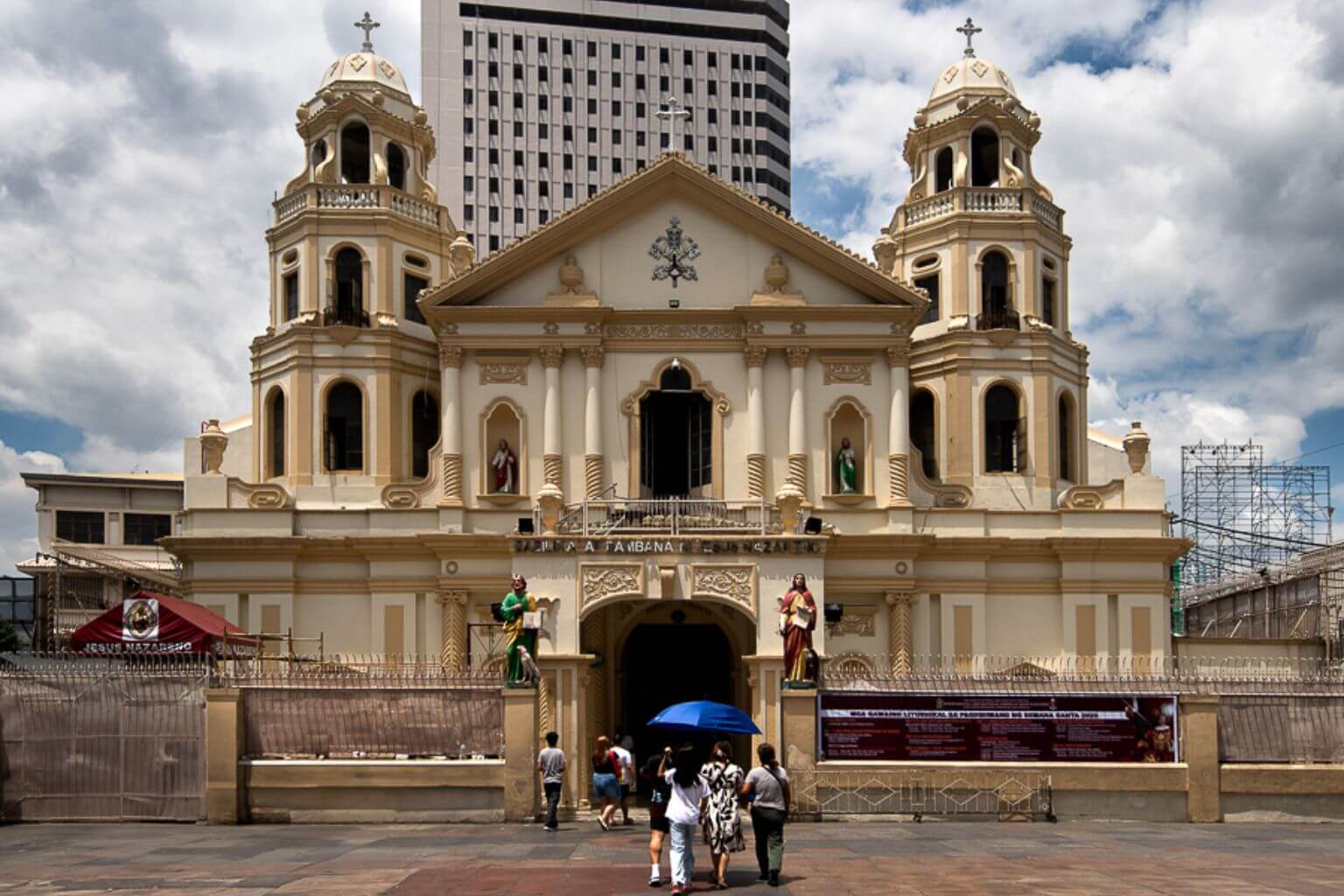

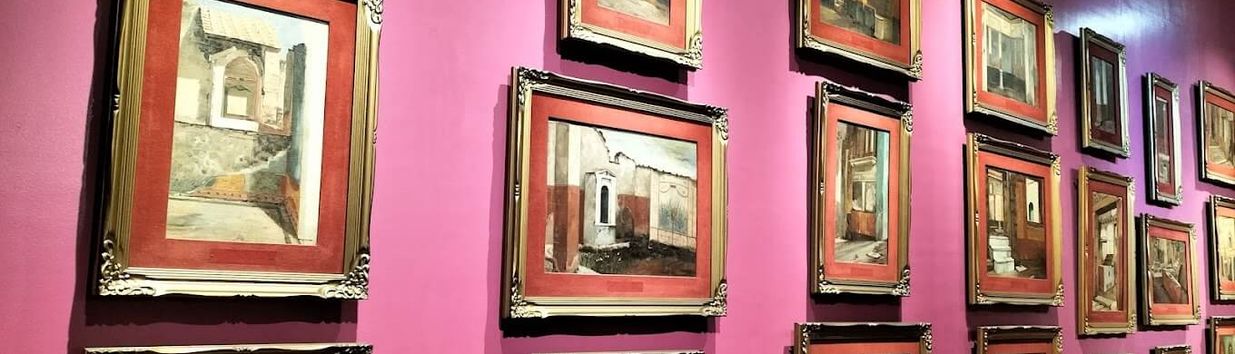
Step into the grand halls of the National Museum and you'll be greeted by an array of fascinating exhibits that beckon for your attention. The Spoliarium is just the start; hundreds of other artworks, including paintings, sculptures, and historical documents, tell the story of the Philippines from many different angles.
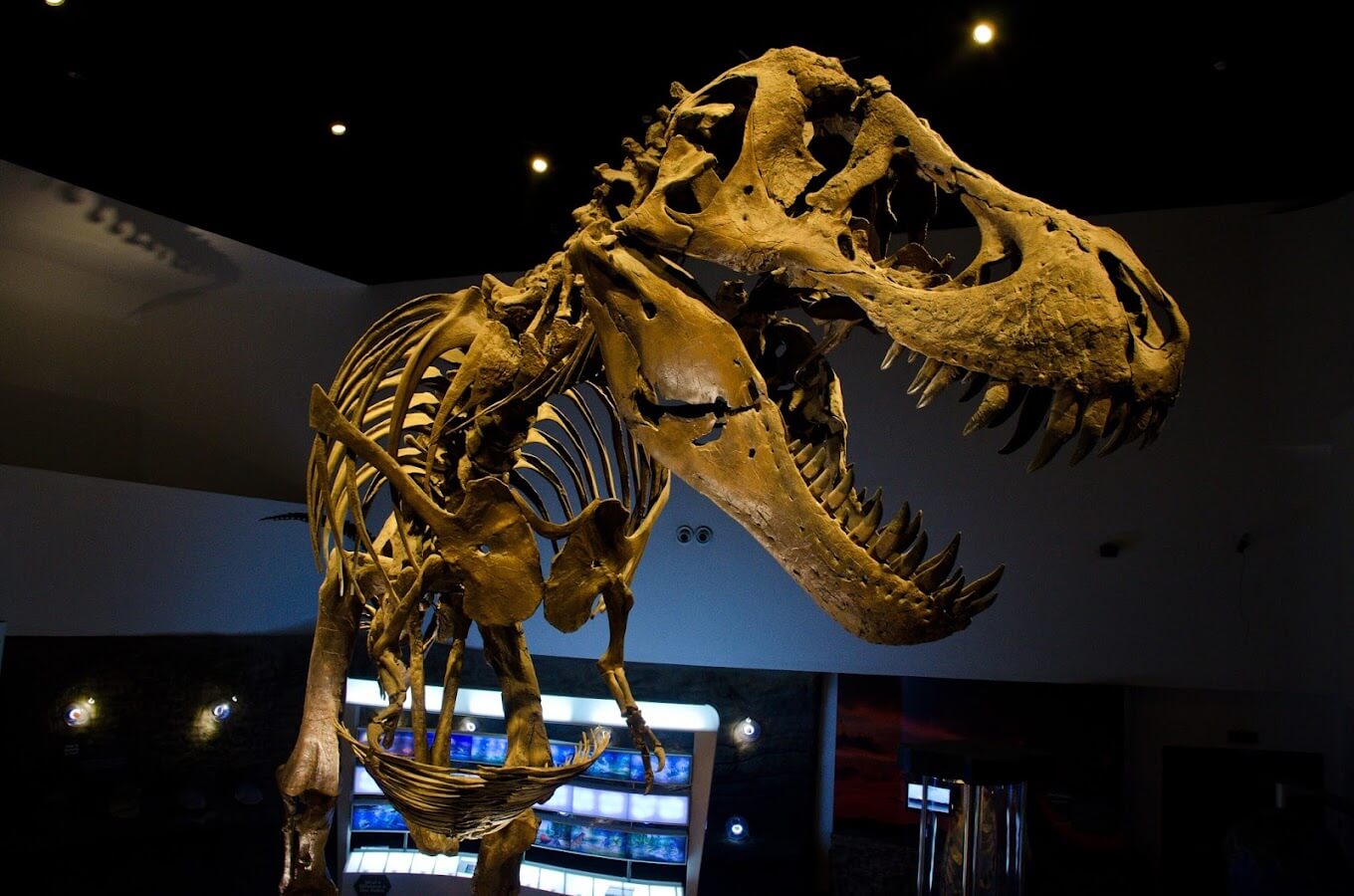
For those with a keen interest in our natural history, you'll find the skeletal remains of prehistoric animals and an extensive collection of the flora and fauna unique to our archipelago. The ethnographic and anthropological collections offer a compelling insight into the lives of indigenous Filipino communities, some of which still thrive today.
Remember to also explore the National Museum of Anthropology, formerly known as the Museum of the Filipino People, which is just a short walk across the park. Here, you'll discover the San Diego shipwreck exhibit, and the extensive collection of traditional textiles. And let's not forget, the National Museum also includes the National Planetarium for those looking up to the stars, and the nearby National Museum of Natural History, the latest addition that showcases a stunning DNA helix structure in its courtyard.
So, when will you come and uncover the stories etched into every corner of the National Museum? It's an exploration that promises new discoveries with every visit, an endless source of national pride and introspection.
| 📌 Address | Padre Burgos Ave, Ermita, Manila, 1000 Metro Manila, Philippines |
| ⏰ Opening Hours | 9:00 AM - 6:00 PM |
| 💸 Entrance Fee | Free |
The National Museum of the Philippines is an educational, scientific, and cultural institution that oversees a national network of museums in the Philippines. It aims to preserve, exhibit, and foster scholarly study and appreciation of works of art, specimens, cultural and historical artifacts of the Philippines.
The National Museum of the Philippines is located in Manila, the capital city of the Philippines. It is situated near Rizal Park and within close proximity to other historical landmarks like the Intramuros district.
The collections in the National Museum of the Philippines include a wide array of items such as anthropological, archaeological, and ethnographic artifacts, visual arts pieces comprising both classical and modern works, as well as natural history specimens and historical memorabilia.
As of my knowledge cutoff in April 2023, the National Museum of the Philippines offers free admission to its permanent exhibitions. However, this may be subject to change, and it's best to check the museum's official website or contact them directly for the latest information on admission fees.
The National Museum of the Philippines typically opens from Tuesday to Sunday, usually from 10:00 AM to 5:00 PM. However, hours may vary on holidays, special occasions, or may be affected by public health measures. It's recommended to verify the current hours by visiting the museum's official website or contacting them directly before planning your visit.