+1 617 404 2125
Magellan's Cross




Search


| 📌 Address | 7WV2+CQG, P. Burgos St, Cebu City, 6000 Cebu, Philippines |
| ⏰ Opening Hours | 8:00 AM - 5:00 PM |
| 💸 Entrance Fee | Free |

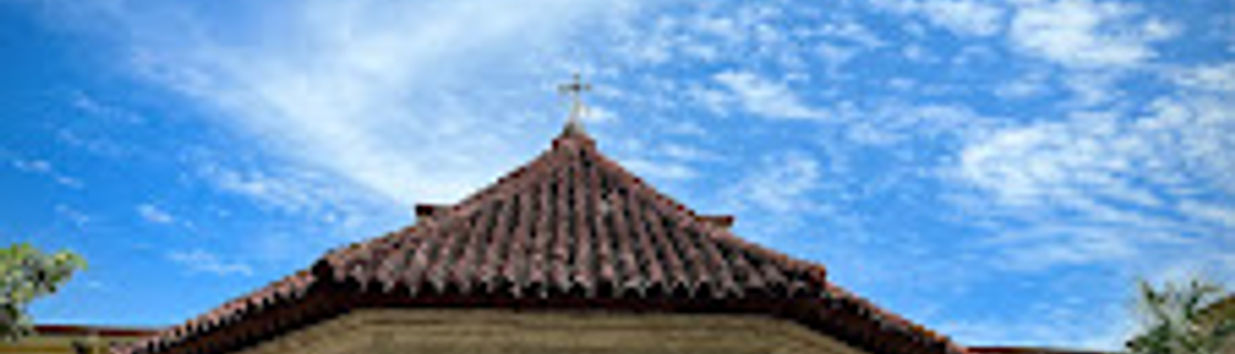
Magellan's Cross is a symbol of Cebu and a significant historical marker in the Philippines. It's housed in a chapel next to the Basilica Minore del Santo Niño on Magallanes Street. The cross is a revered relic for many, as it is believed that the Portuguese explorer Ferdinand Magellan himself planted the original cross upon his arrival in Cebu in 1521. However, the one you see today is a tindalo wood encasement that houses remnants of the original cross to protect it from people who chipped away parts of the cross for souvenir or in the belief that it possesses miraculous powers.
Explore Manila’s oldest district on our Intramuros by Bamboo Bike Tour! Ride a handcrafted bamboo bike past Fort Santiago, Manila Cathedral, and Museo de Intr...
Delving into the history, Ferdinand Magellan, representing Spain, arrived in Cebu and befriended the local chieftain, Rajah Humabon. He then planted the original cross as a symbol of the natives' conversion to Christianity after Rajah Humabon and his queen, Hara Amihan, were baptized along with several of their followers. This event marked the birth of Christianity in the Philippines, a predominantly Catholic nation today. The chapel currently housing the cross was built in 1841 to preserve its historical significance and protect what remains of the original cross.
Magellan's Cross holds a place of exceptional importance in the hearts of many Filipinos. It is a silent witness to the Christianization of the Philippines and has endured as a testament to the region's colonial history. It symbolizes not just a religious milestone, where East met West and new beliefs took root, but also the significant cultural and societal changes that followed. For visitors, it provides an authentic connection to Philippine history and is often included in the itinerary of pilgrims and tourists alike.
When you visit the site, you will be able to witness the rich cultural tapestry around it. People often come to pray, light candles, and even touch the cross for blessings. Photography is common, and so is absorbing the quiet hum of prayer and reverence around you. The ceiling of the chapel features beautiful frescoes depicting the baptism of Rajah Humabon, adding a visual narrative to the historical relevance of the location.
Additionally, Filipinos frequently sell candles outside the chapel, and they offer to dance while praying for your intentions—a practice known locally as 'sinulog.' This dance-prayer is an intimate part of Cebuano culture and Catholic devotion. Moreover, given its proximity to the Basilica Minore del Santo Niño, which houses the revered statue of the Child Jesus—a survivor of another historic event—sea fire—combining your visit to these two attractions allows for a deeper understanding of Cebu's historical and religious landscape. I'd suggest timing your visit to witness one of the masses or cultural events frequently held in the area for a fuller experience.
| 📌 Address | 7WV2+CQG, P. Burgos St, Cebu City, 6000 Cebu, Philippines |
| ⏰ Opening Hours | 8:00 AM - 5:00 PM |
| 💸 Entrance Fee | Free |