+1 617 404 2125
Sumilon Island




Search


| 📌 Address | F94G+HVC, Oslob, Cebu, Philippines |
| ⏰ Opening Hours | 8:00 AM - 5:00 PM |
| 💸 Entrance Fee | Free |

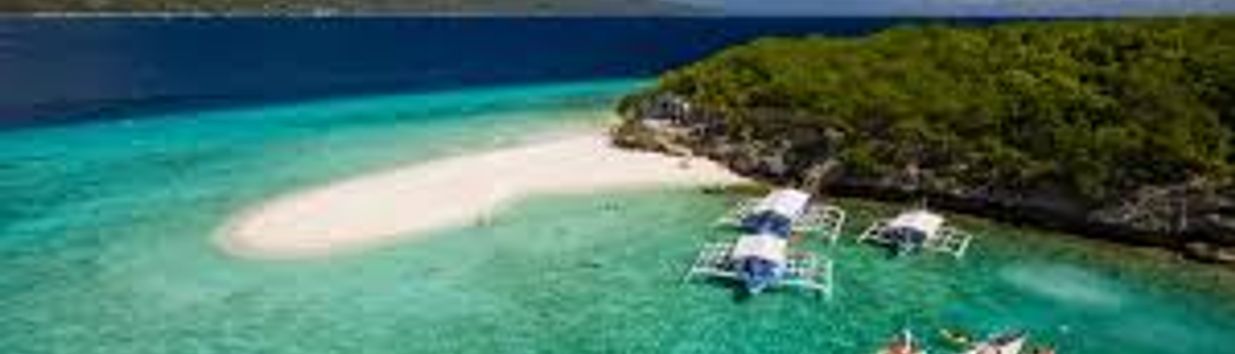
Sumilon Island is a pristine jewel off the coast of Oslob, Cebu, in the Philippines. Known for its powdery white sands, clear turquoise waters, and a mesmerizing sandbar that appears and disappears with the tide, this small island encapsulates the tropical paradise many travelers seek. Spanning just 24 hectares, the island is not only a haven for beach lovers but also a marine sanctuary with a rich underwater ecosystem that dazzles divers and snorkelers alike.
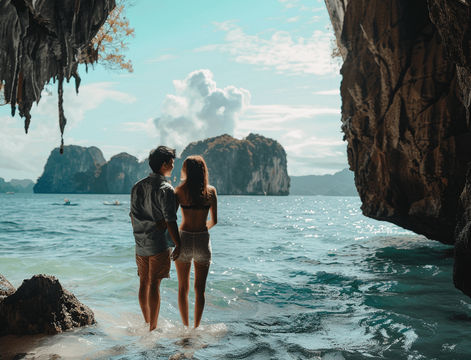
Set off on our Private Islands & Cave Tour (Tour B) in El Nido! Explore stunning spots like Cathedral Cave, Cudugnon Cave, Entalula Island, Snake Island, and Pa...
As someone who's spent countless days unwinding under the shade of the island's coconut trees, I can tell you that Sumilon's charm lies not just in its natural beauty but also in the tranquility it offers away from the more crowded tourist spots. I often remind visitors to walk barefoot on the sand to truly connect with the island's serene spirit — there's something truly rejuvenating about it.
The history of Sumilon Island is as colorful as its vibrant marine life. It was the first marine protected area in the Philippines, established as a fish sanctuary in 1974. This initiative showcased a pioneering effort in marine conservation that has since set a precedent for similar environmental endeavors across the country. Although Sumilon Island is now partially developed, with a resort that caters to tourists, much of its environment remains under natural conservation protocols.
Local lore speaks of the island's name deriving from the Cebuano word 'sumilong,' meaning to take refuge. It's said that centuries ago, fishermen would find shelter on the island during storms, and even today, in a way, it continues to be a refuge for those seeking solace and escape from their bustling lives.
I often share stories with visitors about the watchtower on the island, known as the Baluarte, built in the 19th century as a lookout against Moro pirates. It's a tangible piece of history that connects us to the generations before us who also called this island a sanctuary, albeit for different reasons.
Sumilon Island is more than just a picturesque destination; it's a vital environmental and historical site. The island's establishment as a marine sanctuary was a groundbreaking step in Philippine conservation efforts, fostering a biodiverse hotspot that continues to be an example for sustainable tourism. Its vibrant coral reefs and abundant marine life, such as jackfish, tunas, and the occasional passing whale shark, contribute to the ecological wealth that is crucial both for local fisheries and global biodiversity.
Moreover, Sumilon Island plays a significant role in the livelihood of local communities. It is a source of pride for Oslob residents, who have largely been involved in its preservation. The island's beauty has also catapulted the surrounding areas into the spotlight, improving economic opportunities through its burgeoning tourism industry.
Stewardship of the island extends not just to its waters but also to its role in the fabric of local history and culture. As a place that has provided refuge and sustenance for centuries, Sumilon's importance resonates on a deep and multifaceted level with those who continue to care for it and find joy within its embrace.
On Sumilon Island, the activities are as varied as they are enchanting. One of the major highlights is diving or snorkeling to explore the island's protected marine sanctuary, where you'll be treated to a kaleidoscope of underwater life. If you prefer to stay dry, kayaking or paddleboarding across the gentle waves is a perfect way to experience the island's pristine waters.

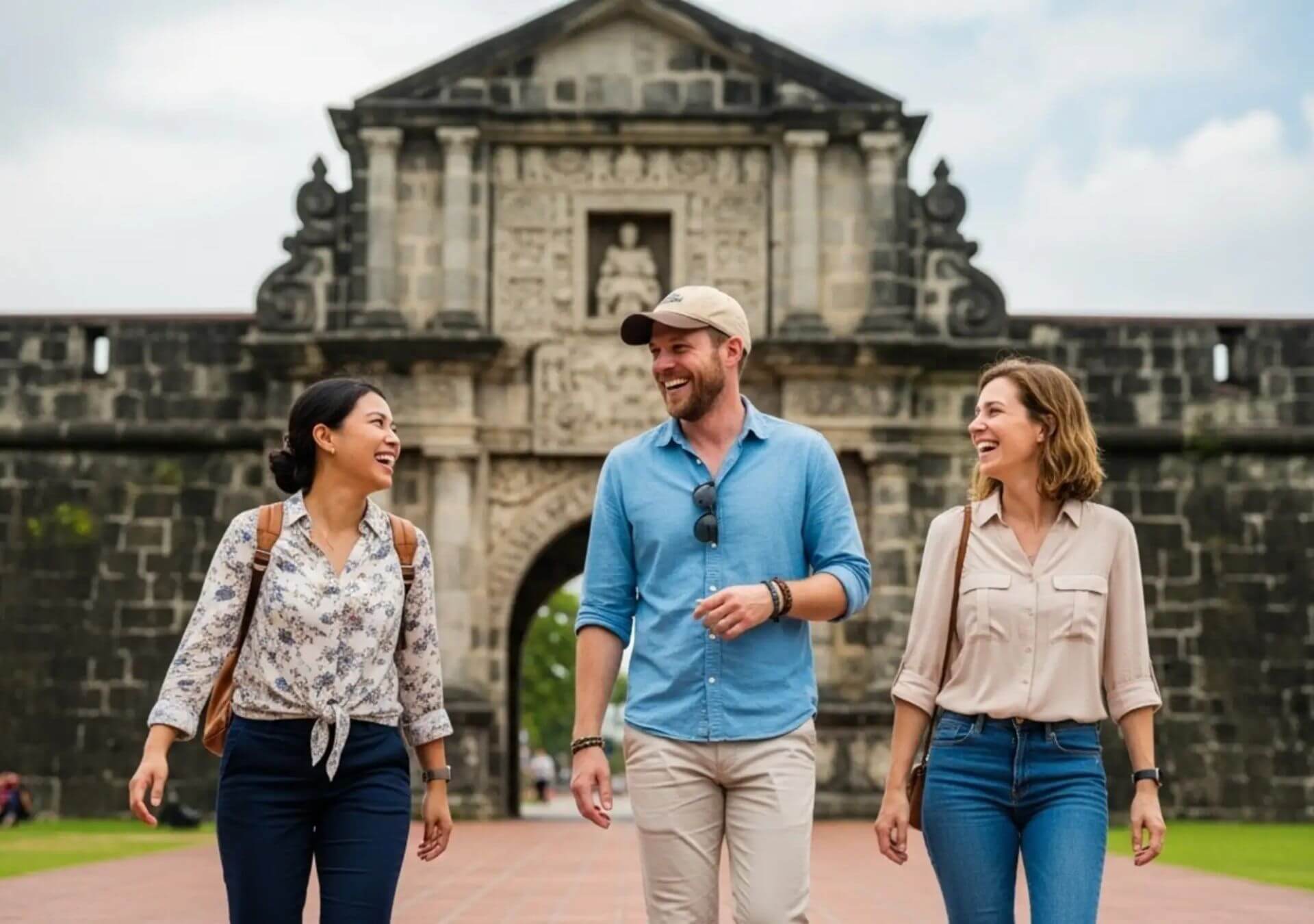
On land, hiking trails lead adventurers through lush foliage to breathtaking viewpoints, offering panoramas of the surrounding sea- such scenes are etched in my memory, like paintings of paradise. You may also come across the historical watchtower, a vestige of the island's colorful past. And, of course, the fluctuating sandbar—its transient nature serves as a timeless attraction, reshaping with the tides and the seasons.
Bird watching is a quieter pursuit, often overlooked, but Sumilon's trees are home to a variety of bird species that can fill an afternoon with wonder for those who appreciate the subtler sides of nature. For the ultimate relaxation, find a secluded spot on the white sandy beaches and let the sun and sea-spray lull you into a meditative state—a secret I often share with those who seek true tranquility.
| 📌 Address | F94G+HVC, Oslob, Cebu, Philippines |
| ⏰ Opening Hours | 8:00 AM - 5:00 PM |
| 💸 Entrance Fee | Free |
Sumilon Island is a small island located off the coast of Oslob in the Philippines. It is famous for its pristine white sand beaches, clear turquoise waters, and a marine sanctuary that boasts a rich biodiversity.
To get to Sumilon Island from Oslob, you can take a boat ride from the mainland. The trip usually takes about 15 to 20 minutes. It’s recommended to arrange transportation with a local tour operator or through the resorts located on the island.
Yes, there are accommodations available on Sumilon Island. The island is home to a luxury resort that offers rooms, suites, and villas for guests, along with various amenities such as restaurants, a swimming pool, and activities.
Visitors to Sumilon Island can enjoy a variety of activities including snorkeling, scuba diving, kayaking, paddle boarding, trekking to a historic lighthouse, exploring a natural lagoon, and simply relaxing on the beautiful beaches.
The best time to visit Sumilon Island is during the dry season, from November to May, when the weather is sunny and the sea conditions are calm, making it ideal for water activities and beach lounging.