+1 617 404 2125
Palawan Wildlife Rescue and Conservation Center (Crocodile Farm)




Search



| 📌 Address | QMXV+FRF, Puerto Princesa South Road, Puerto Princesa, Palawan, Philippines |
| ⏰ Opening Hours | 8:00 AM - 5:00 PM |
| 💸 Entrance Fee | Free |

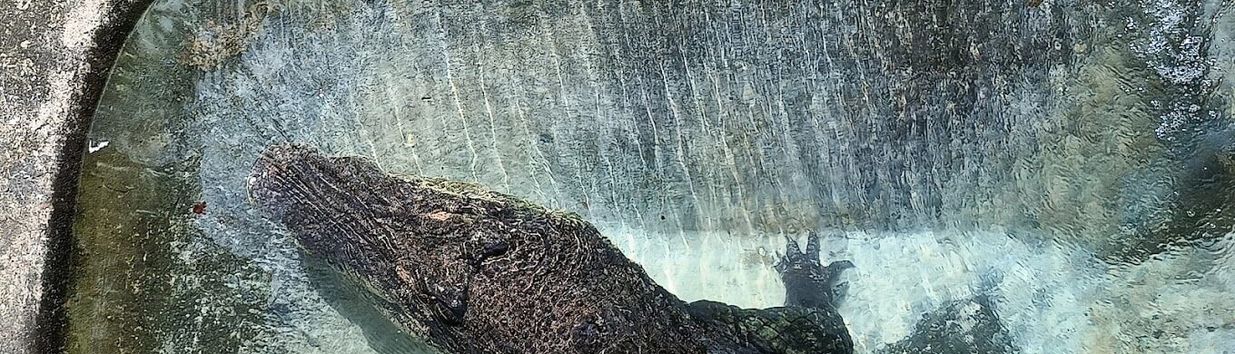
The Palawan Wildlife Rescue and Conservation Center, erstwhile known as the Crocodile Farming Institute, stands as a living emblem of Palawan’s commitment to wildlife protection and environmental conservation. Tucked away on the outskirts of Puerto Princesa City, it's a sanctuary for one of the most intriguing reptiles on the planet - the Philippine Crocodile, a severely endangered species native to these islands. But crocodiles are just the beginning; this center is a haven for a diverse range of fauna, including numerous species endemic to Palawan.

Experience El Nido's beauty on our Private Small Lagoon & Beach Lovers Tour (Tour D)! Visit stunning spots like Small Lagoon, Cadlao Lagoon, Nat Nat Beach, and ...
Inaugurated in 1987, the Palawan Wildlife Rescue and Conservation Center was established primarily for research purposes, focusing on conservation and breeding of the Philippine Crocodile. Over the years, it has played a crucial role in rescuing and nurturing various species, thus transitioning into more of a conservation facility. The transition speaks volumes of the evolving environmental awareness in the Philippines, particularly in Palawan, which prides itself as the country's last ecological frontier. This facility has become an integral part of the island's mission to safeguard its unique biodiversity.
The Palawan Wildlife Rescue and Conservation Center isn't just important; it’s a vital bastion for ecological education and wildlife conservation. It works to protect species that are found nowhere else in the world. For the local community, it provides an avenue to understand the delicate balance of their natural environment. For visitors, it’s an opportunity to witness the complexities of wildlife conservation, stirring consciousness and respect for the natural world. Moreover, the center contributes significantly to the local and national efforts to conserve the Philippine Crocodile, whose population has dwindled alarmingly due to habitat loss and human conflict.
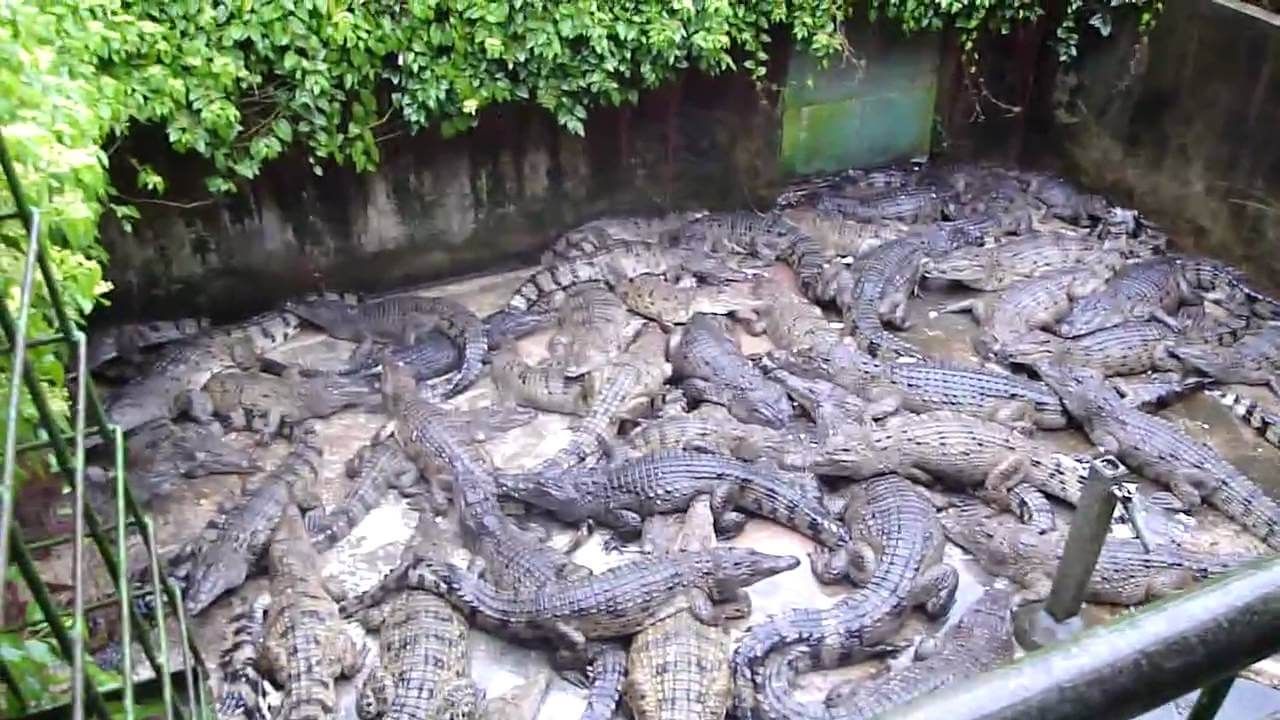
Wandering through the Palawan Wildlife Rescue and Conservation Center, you can immerse yourself in a world of exotic flora and fauna. Begin with the crocodile farm, where you can meet these ancient creatures in various stages of life, from hatchlings to commanding adults. Don't miss the opportunity to spot the imposing saltwater crocodiles, the larger cousins of their freshwater counterparts. It's a fascinating dichotomy seeing these powerful animals up close, yet understanding their vulnerability in the modern world.
Beyond the crocodile pools, there's a nature park where you can encounter other local wildlife, such as mynahs, hornbills, peacocks, and even bearcats. Here, you're not just observing; you’re contributing, as your entrance fee supports the continued rescue and rehabilitation of these animals. While you traverse the various habitats, you'll likely come across endemic species that are part of rehabilitation programs, all aimed at one day returning these creatures back to their natural wilderness.

| 📌 Address | QMXV+FRF, Puerto Princesa South Road, Puerto Princesa, Palawan, Philippines |
| ⏰ Opening Hours | 8:00 AM - 5:00 PM |
| 💸 Entrance Fee | Free |
The Palawan Wildlife Rescue and Conservation Center, also known as the Crocodile Farm, is a conservation area in Palawan dedicated to the rescue and conservation of various species of wildlife, including crocodiles.
It is located in Puerto Princesa, the capital of the island province of Palawan in the Philippines.
Visitors can tour the facility to see the crocodiles and other rescued wildlife, learn about conservation efforts, and gain educational insights into the importance of wildlife protection.
The center typically operates from Monday to Friday, from 8:00 AM to 5:00 PM, but it's always recommended to check for the latest timings before planning a visit.
Yes, there is a nominal entrance fee for visitors that goes towards the maintenance of the center and the care of the animals.