+1 617 404 2125
Wat Tham Suea




Search



| 📌 Address | 35 Krabi Noi, Mueang Krabi District, Krabi 81000, Thailand |
| ⏰ Opening Hours | 8:00 AM - 5:00 PM |
| 💸 Entrance Fee | Free |

The Tiger Cave Temple, known as Wat Tham Suea in Thai, isn't just a sacred site—it's an embodiment of history and spirit woven into the fabric of Thailand's Krabi Province. This Buddhist temple complex, perched upon a cliff, is famed for its spiritual significance, the strenuous climb leading to breathtaking views, and the iconic tiger paw prints. These elements, coupled with the surrounding forest teeming with wildlife, create an experience that transcends the usual tourist trail.

If you prefer to stay active whilst you're on vacation, and want to immerse yourself in the culture of this amazing region, our Private Legendary Spots Tour is ...
Climbing the 1,237 steps to reach the summit is not for the faint-hearted, but those who persevere are rewarded with panoramic vistas of the Andaman Sea and the dramatic limestone karst landscape. The temple's serene and contemplative atmosphere is punctuated by the occasional chime of bells and the saffron-clad monks that call this place home. It truly is a spiritual haven that offers a unique insight into the Buddhist way of life.
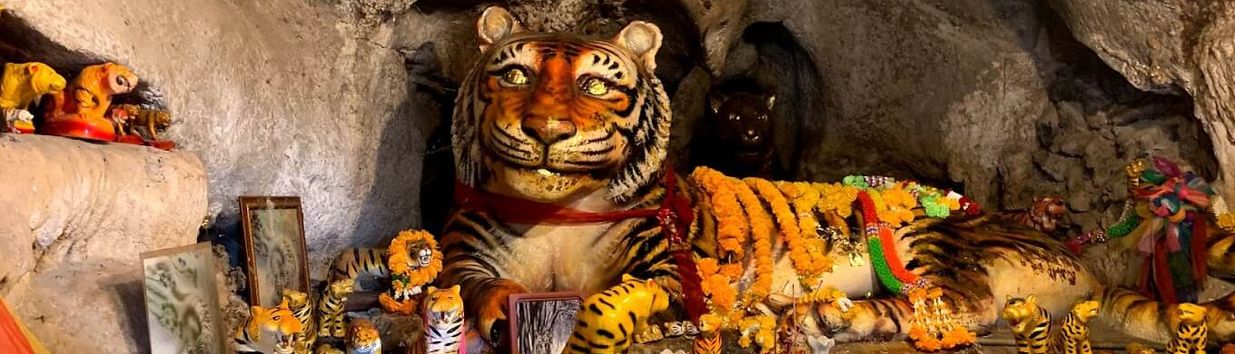
The Tiger Cave Temple's history is shrouded in legend and spirituality. It is believed that a Buddhist monk named Jumnean Seelasettho chose this cave for his meditation after witnessing tigers roaming the area and discovering what appeared to be tiger paw prints embedded in the cave walls. The site's name itself originates from these natural marks, reminiscent of tiger stripes, that have since become an integral part of the temple's lore.
Over the years, the Tiger Cave Temple has evolved into a thriving meditation center. It's a testament to the solitary quest for enlightenment that many Thai monks undertake. This location has always been a magnet for those seeking peace and inner growth, and the complex has grown with additional statues, shrines, and religious iconography that narrate tales of Buddhist teachings and Thai culture.
It is said that the relics of Buddha were brought here to be safeguarded, further enhancing the site's spiritual importance. These tales of tigers, monks, and sacred relics interweave to create the rich tapestry of history that visitors can sense as they explore the grounds.
Tiger Cave Temple holds immense cultural, historical, and religious significance. For Thais, it is a place of worship and a beacon of Buddhist principles. The very climb symbolizes the arduous journey towards enlightenment—each step represents an obstacle overcome on the path to spiritual awakening. The temple serves not only as a hub for religious activity but also for meditation retreats, inviting people from across the globe to experience tranquility and self-discovery.
Moreover, the temple is a touchstone for understanding Thai heritage. From the architecture of the stupas and the intricate designs on the temple buildings to insight into the day-to-day lives of monks, it's a living museum showcasing the essence of Thailand's Buddhist traditions. The Tiger Cave Temple also plays a crucial role in the local community, acting as a center for education and spiritual guidance.
For travelers, Tiger Cave Temple is pivotal in understanding the blend of nature and spirituality that is so quintessential to the region. Its symbolism and physical challenges echo the broader themes of life's journey, making a visit here a resonating experience that often leaves an indelible mark on one's heart and mind.
Visiting Tiger Cave Temple is a multi-faceted experience. Of course, the journey starts with the stairs—a climb that weaves through lush forests where you might catch a glimpse of monkeys and local fauna. Reaching the summit not only offers a splendid view but also presents the 'Footprint of the Buddha', an impression that captivates the imagination.



You may explore the network of natural caves where monks live and meditate. Each cavern has its own story and spiritual purpose, adorned with statues and religious icons that offer a glimpse into the mystical. The main temple complex, close to the base, functions as the central area for religious ceremonies and is rich with cultural significance.
For a deeper immersion, partake in the temple's meditation sessions. You can also engage with the monks, an exchange that offers profound insights into Buddhist philosophy and the ascetic lifestyle. Let's not forget the myriad of smaller shrines sprinkled throughout the grounds, each with its unique tribute to the Buddha or various deities within Buddhism. Engaging your curiosity here reveals hidden gems and quieter, more contemplative spaces for reflection.
| 📌 Address | 35 Krabi Noi, Mueang Krabi District, Krabi 81000, Thailand |
| ⏰ Opening Hours | 8:00 AM - 5:00 PM |
| 💸 Entrance Fee | Free |
The Tiger Cave Temple, also known as Wat Tham Suea, is a sacred Buddhist site known for its intricate cave complex with religious iconography and tiger paw prints which the temple is named after. The origin of the temple dates back to 1975 when a Vipassana monk named Jumnean Seelasettho chose the caves to meditate. The natural serenity and seclusion of the area provided an ideal setting for meditation.
To reach the summit of the Tiger Cave Temple and see the impressive Buddha statue as well as enjoy panoramic views, visitors must climb a challenging stairway consisting of 1,237 steps.
At the top of Tiger Cave Temple, after a strenuous climb, visitors are rewarded with a stunning 360-degree view of the surrounding natural landscape, including limestone cliffs, dense forests, and the Andaman Sea. Additionally, there is a large golden Buddha statue and several smaller statues and religious icons to explore.
Yes, as a place of religious significance, visitors to Tiger Cave Temple are expected to dress modestly. This means wearing clothing that covers shoulders and knees. Sarongs are often available for rent or purchase at the temple entrance for those who need them.
There is no official entrance fee for Tiger Cave Temple, but donations are welcomed and often encouraged to help maintain the site. Additionally, some services like guided tours or equipment rentals may have associated costs.