+1 617 404 2125
Cenote Azul




Search


| 📌 Address | Riviera Maya, Carr. Cancún - Tulum Km 266, 77734 Playa del Carmen, Q.R., Mexico |
| ⏰ Opening Hours | 8:30 AM - 5:00 PM |
| 💸 Entrance Fee | Free |
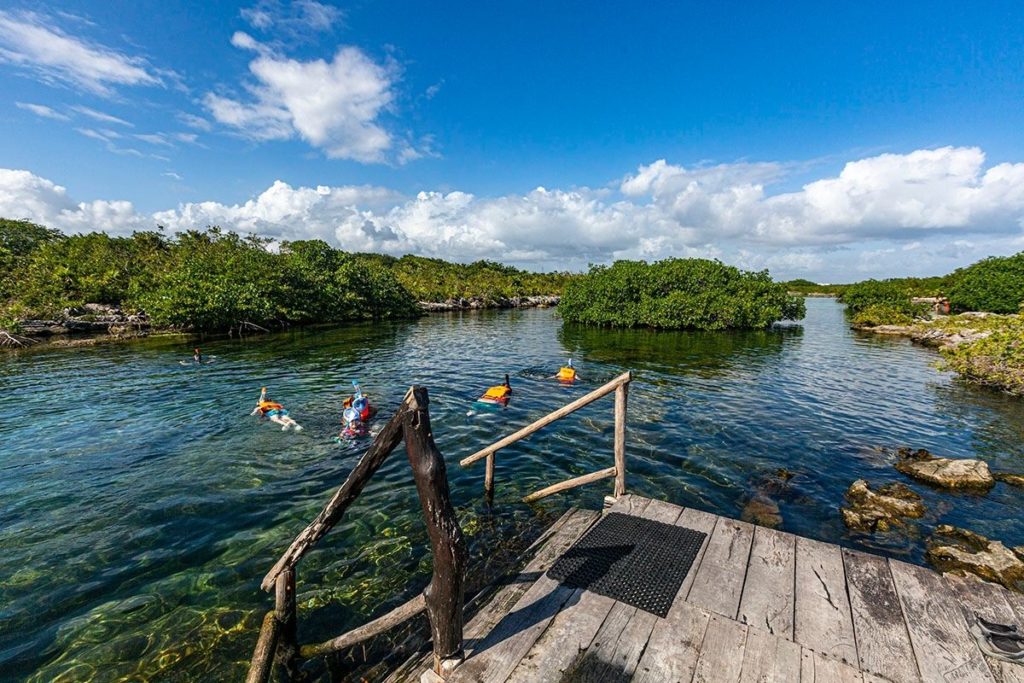
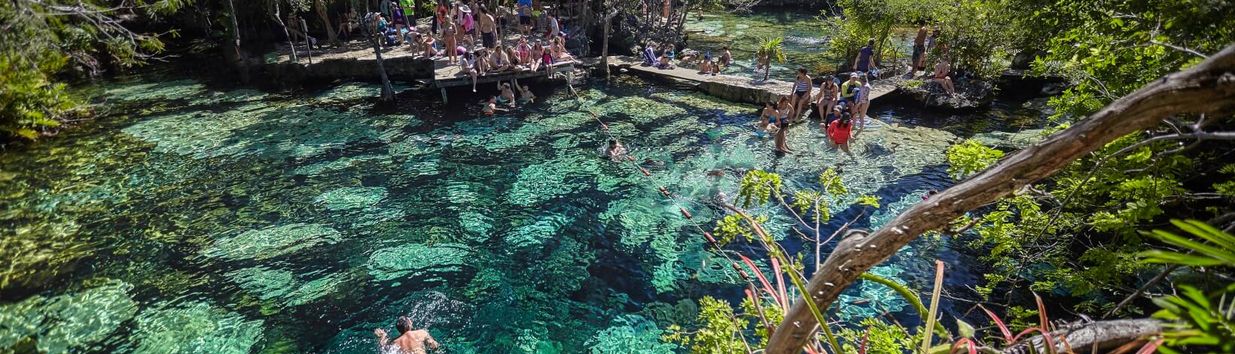
Cenote Azul is a stunning natural swimming hole located just outside Playa del Carmen, on the Caribbean coast of Mexico's Yucatan Peninsula. It's part of a network of underground freshwater sinkholes, also known as cenotes, which are significant in Mayan culture and formed by the collapse of porous limestone bedrock. The clear turquoise waters of Cenote Azul are surrounded by lush vegetation, giving it an almost otherworldly appearance.
The go-to Mexico city tour for any traveler who wants to see the most awe-inspiring parts of the city and make memories of a lifetime. Our Mexico City Instagram...
Now, imagine immersing yourself in these tranquil waters, where the sunlight filters through the foliage and dances on the surface creating shimmering patterns. It's a popular spot for both locals and visitors seeking to connect with nature, cool off, and experience the Yucatan’s famed cenotes. For a place that's not just a swimming destination but also a piece of living history, Cenote Azul captures the essence of natural beauty and serenity.
The history of Cenote Azul, as with many cenotes in the Yucatan Peninsula, is deeply intertwined with the Mayan civilization. The Mayans considered cenotes to be sacred, believing they were portals to the underworld and a source of life-giving freshwater. They used cenotes for various purposes, including rituals, ceremonies, and as vital water sources during dry periods.
Over thousands of years, these natural wells have seen civilizations rise and fall, and yet they have endured as a testament to the area’s geological history. The formation of Cenote Azul, specifically, can be traced back to the last ice age. It was during this time that the sea levels were lower, and the natural acid in rainwater slowly eroded the limestone bedrock, forming these unique underwater caves and sinkholes.
What many people don't realize is that such cenotes are also archaeological gold mines. They sometimes contain the well-preserved remains of ancient fauna, human skeletons, and artifacts, which offer a glimpse into past cultures and climates. Although Cenote Azul isn't primarily known for its archaeological finds, it is part of the larger story of human and geological history in this region.
Cenote Azul holds importance on multiple fronts—ecologically, culturally, and historically. Ecologically, cenotes like Azul are crucial habitats for a variety of endemic species. They support unique ecosystems both above and below the water's surface, being home to specialized flora and fauna that have adapted to the cenote environment.
Culturally, Cenote Azul is a living part of the Mayan heritage. For a civilization that revered these cenotes as sacred sites, the preservation and respect for places like Cenote Azul helps keep that heritage alive. The cenote serves as a physical connection to the rituals and daily life of a once powerful civilization that thrived in what is now modern Mexico.
Historically, Cenote Azul, like other cenotes, is a gateway to understanding the geological evolution of the Yucatan Peninsula. It offers insights into the natural history of the region over millennia. Plus, for local communities and visitors alike, it provides a tangible link to the past and an opportunity for education and reflection on the region's natural and cultural history.
At Cenote Azul, the main attraction is, without doubt, the cenote itself. Visitors can swim in the crystal-clear, fresh waters, which are refreshing and invigorating, especially on a hot day. The depths vary throughout the cenote, making it suitable for both casual swimmers and those who enjoy diving into its deeper sections.
For those interested in snorkeling, Cenote Azul is a delight. The visibility is incredible, allowing swimmers to view the underwater formations, fish and plant life that call the cenote home. If you're lucky, you might spot catfish and turtles among the rock formations. There's also an area where you can jump from a height into the water for those seeking a bit of adrenaline.


Aside from the water activities, the surrounding area is rich with tropical vegetation, and there are spots where you can picnic or simply relax. Many visitors do not realize that the trees and plants around Cenote Azul are typical of the sort of semi-evergreen forest that covers much of the region, some with medicinal properties traditionally used by the Maya.
For an undisturbed connection with nature and a refreshing deep dive into geological and cultural history, Cenote Azul offers a once-in-a-lifetime experience that truly reflects the essence of the Yucatan Peninsula.
| 📌 Address | Riviera Maya, Carr. Cancún - Tulum Km 266, 77734 Playa del Carmen, Q.R., Mexico |
| ⏰ Opening Hours | 8:30 AM - 5:00 PM |
| 💸 Entrance Fee | Free |
Cenote Azul is a natural sinkhole filled with fresh water, located near Playa del Carmen. It is part of a network of underground rivers and cenotes that are typical of the Yucatan Peninsula, and is a popular spot for swimming, snorkeling, and enjoying the natural beauty.
Cenote Azul is located approximately 20 kilometers south of Playa del Carmen. You can get there by car, by taking a colectivo (a local shared minibus) along the highway 307 towards Tulum, or by booking a tour with a local tour operator.
Cenote Azul is usually open daily from 8:00 AM to 5:00 PM, but times can vary, so it's recommended to check in advance for any changes in the schedule.
There is an entrance fee for Cenote Azul which generally includes access to the cenote for swimming and snorkeling. The cost may vary, and additional services like equipment rental, life jackets, or guided tours may be available for an extra charge.
Yes, Cenote Azul has various facilities for visitors including restrooms, changing rooms, and sometimes snack bars or picnic areas. However, it's a good idea to bring your own water and snacks, and to check in advance regarding any specific services you may require.