+1 617 404 2125
Calle Playa del Carmen




Search


| 📌 Address | C. Playa del Carmen, 11406 Jerez de la Frontera, Cádiz, Spain |
| ⏰ Opening Hours | 8:00 AM - 5:00 PM |
| 💸 Entrance Fee | Free |

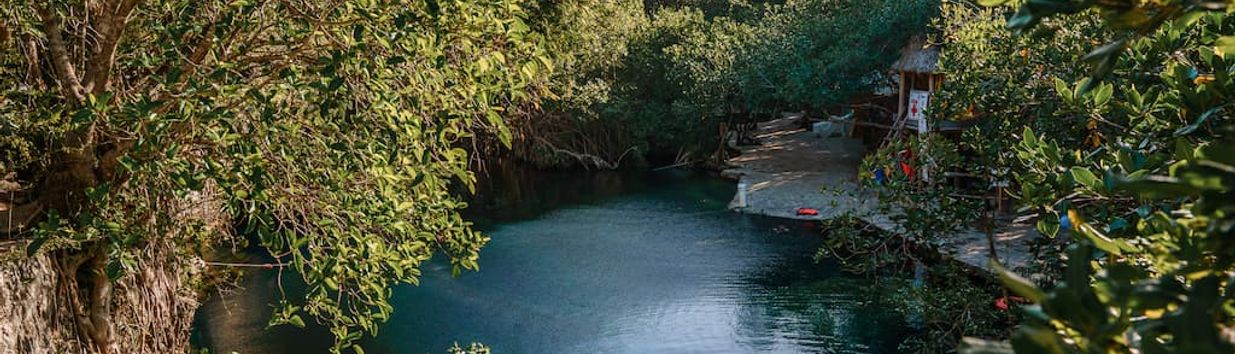
Cenote Ikal is one of the hidden jewels near Playa del Carmen, a magical natural pit, or sinkhole, resulting from the collapse of limestone bedrock that exposes groundwater underneath. In the Mayan language, "Ikal" means "spirit" or "wind," a fitting name for this serene and spiritual place. It's a part of a vast network of cenotes that are interconnected and sprawl across the Yucatan Peninsula. Known for its crystal-clear waters, it's a popular spot among locals and those with an adventurous spirit who delve into the less trodden paths. It's not just an ordinary swimming spot but a window into the underground rivers that are characteristic of this region.
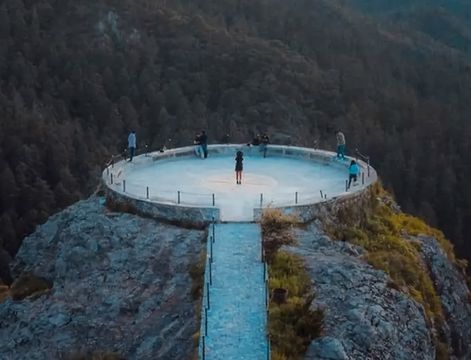
The Mexico City Basaltic Prisms Tour should be at the top of your list if you want to see the natural wonders of the city. Including your own tour guide and pri...
The Yucatan Peninsula is honeycombed with cenotes, and they have been significant in the region's history, geography, and culture for thousands of years. Cenotes like Ikal were sacred to the ancient Maya people, who not only used them as a water source but also believed them to be gateways to the underworld, known as Xibalba. They were places of worship and sometimes even used for ceremonial purposes including offerings and sacrifices. Over the years, Cenote Ikal has remained relatively undisturbed, retaining much of its natural beauty and mystery. This seclusion has aided in preserving its pristine conditions and the lush ecosystem surrounding it, providing sanctuary to various species of flora and fauna.
Cenote Ikal is a vital part of the area's natural heritage and ecosystem. These cenotes play a crucial role in sustaining the diverse wildlife and plant life, providing a source of freshwater in an otherwise low-water region. Biologically, cenotes are home to unique species, some of which are adapted to the dark aquatic environments and can be found nowhere else on Earth. For the ancient Maya, and even today's local communities, cenotes like Ikal have a spiritual significance, representing the interconnectedness of life and the cycles of nature. They also contribute immensely to ecotourism, drawing visitors keen to explore these natural wonders and learn about the region's cultural heritage.
Visiting Cenote Ikal is an enchanting experience that offers a slice of tranquility away from the bustling tourist spots. Some activities you can indulge in include:
If you are interested in the geological or cultural aspects of Cenote Ikal, guided tours can provide insights into the formation of cenotes and their significance in Mayan civilization. Remember that while it's a place for recreation, it's also one of reverence, and preserving its purity is paramount.
| 📌 Address | C. Playa del Carmen, 11406 Jerez de la Frontera, Cádiz, Spain |
| ⏰ Opening Hours | 8:00 AM - 5:00 PM |
| 💸 Entrance Fee | Free |
Cenote Ikal is a natural pit or sinkhole resulting from the collapse of limestone bedrock that exposes groundwater underneath. It's a part of a network of underground rivers and cenotes found in the Yucatan Peninsula, specifically near Playa del Carmen, and it's known for its clear, refreshing waters perfect for swimming and snorkeling.
To get to Cenote Ikal from Playa del Carmen, you can rent a car, take a taxi, or join a guided tour. It's approximately a short drive away from the city, and there are signs along the way to guide you to the cenote.
The opening hours for Cenote Ikal typically range from early in the morning until late afternoon. It's always best to check the latest information before planning your visit as opening times may vary seasonally or during holidays.
Cenote Ikal usually offers some facilities like restrooms, changing areas, and sometimes a small snack bar. The facilities can vary, so it's recommended to bring essential items such as towels, water, and snacks with you.
There is typically an entrance fee for Cenote Ikal, which helps with the maintenance and preservation of the area. The fee often includes access to the cenote and use of the on-site facilities. Additional services, like guided tours or snorkeling gear rental, may be available for an extra cost.