+1 617 404 2125
Cabo Blanco Absolute Natural Reserve




Search


| 📌 Address | HWQ4+2R9, Provincia de Puntarenas, Santa Fe, Costa Rica |
| ⏰ Opening Hours | 8:00 AM - 2:00 PM |
| 💸 Entrance Fee | Varies |

Nestled at the tip of the Nicoya Peninsula in Costa Rica, the Cabo Blanco Absolute Natural Reserve is a sanctuary of biodiversity and a jewel of conservation. As its name suggests, this reserve is "absolute," meaning it's one of the few areas in Costa Rica that is fully protected, with strict regulations limiting human activity to ensure that ecosystems remain undisturbed. Established in 1963, it was the first major conservation project in the country and has since been a critical habitat for a multitude of species, both flora and fauna.

Explore the rich and intricate Jewish history that's rooted in the city with our Istanbul Jewish Heritage Tour. This private 4 hour Istanbul excursion delves in...
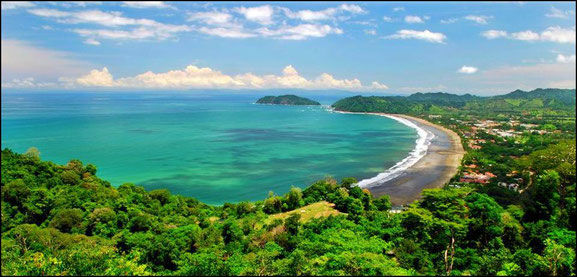
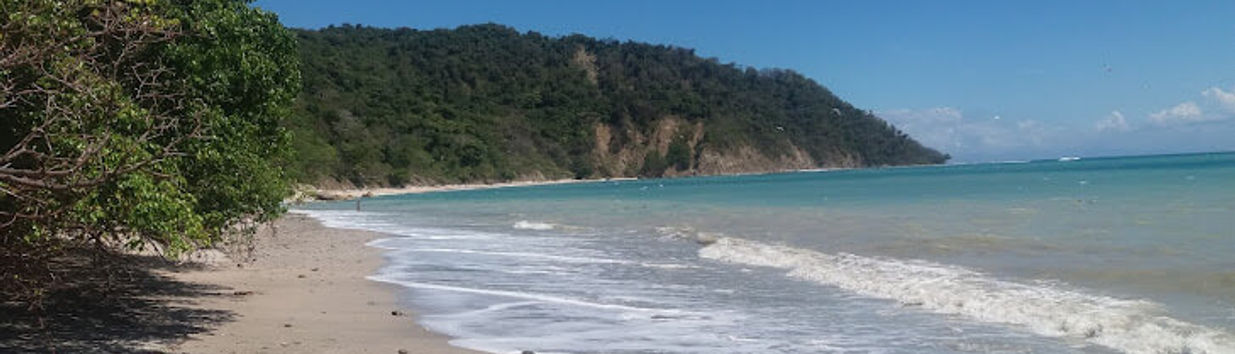
When you enter the reserve, you're stepping into a dramatic landscape where the forest meets the sea. It's a vibrant mosaic of ecosystems, from the dry tropical forest that changes with the rain patterns, to the lush beaches and rocky cliffs. The reserve also includes an island, Isla Cabo Blanco, which is an important nesting site for seabirds. It's a place where the sights and sounds of nature are truly spectacular.
The story of Cabo Blanco Absolute Natural Reserve is one of triumph for conservationism. In the late 1950s, a Swedish couple, Olof Wessberg and Karen Mogensen, were captivated by the land's natural beauty and distressed by the widespread logging in the area. They spearheaded a movement to protect the forests and, with the help of concerned locals and international support, succeeded in securing the land's preservation. Their commitment crystallized in 1963, with the Costa Rican government declaring it a protected reserve.
Cabo Blanco's establishment as a reserve marked an important milestone in environmental history—it was the first of its kind in Costa Rica and paved the way for the country's now world-renowned national park system. The efforts of the couple and their contemporaries are why today, we can enjoy an area that has rebounded from the brink of devastation to an eden of natural wonder. Their legacy is lovingly maintained, ensuring the survival of a place that might have otherwise succumbed to deforestation and development.
Cabo Blanco is a testament to Costa Rica's forward-thinking conservation policies. It's vital for several reasons—but perhaps most important is its role in protecting biodiversity. The reserve is home to hundreds of species of trees, numerous rare and endangered plant species, as well as a rich array of wildlife, including howler and capuchin monkeys, coatis, pacas, and hundreds of bird species.
Furthermore, Cabo Blanco serves as a valuable research site for scientists studying tropical ecosystems, offering insights into primary forest regeneration, wildlife habitats, and the impact of protected areas on conservation. The reserve showcases the positive outcome of a strict protection policy and educates locals and visitors alike about the importance of maintaining natural habitats. It demonstrates how once-exploited lands can recover and has become a blueprint for similar initiatives worldwide.
Ecologically, the reserve protects key watersheds and offers a safe haven for marine life as well, with its surrounding waters hosting a variety of species. Thus, its importance transcends land boundaries and touches upon marine conservation, crucial for maintaining ecological balance and a healthy Earth.
Visitors to Cabo Blanco can immerse themselves in a treasure trove of natural highlights and activities. The reserve offers well-maintained trails, such as the Sueco Trail, which weaves through the dense forest to a spectacular viewpoint overlooking the ocean. The Sendero Cabo Blanco, meanwhile, takes you on a journey concluding at Playa Cabo Blanco, an idyllic and secluded beach accessible only by foot through the reserve.



For those interested in wildlife, the Reserve is a prime location for bird watching. The diverse avian population makes it possible to spot rare and exotic species such as the long-tailed manakin and the turquoise-browed motmot. Fauna enthusiasts will be delighted at the chance to observe white-tailed deer, collared peccaries, and anteaters in their natural habitat. The quiet and patience of a wildlife watcher are often rewarded with unforgettable sights.
Additionally, guided tours provide an enriched experience, where the intricate details of the reserve's ecosystems are explained by knowledgeable guides. Photography is a popular pursuit, given the reserve's majestic landscapes and vibrant wildlife. Remember, while the allure of Cabo Blanco is undeniable, it's crucial to respect the reserve's regulations to ensure it remains pristine for generations to come.
| 📌 Address | HWQ4+2R9, Provincia de Puntarenas, Santa Fe, Costa Rica |
| ⏰ Opening Hours | 8:00 AM - 2:00 PM |
| 💸 Entrance Fee | Varies |
The Cabo Blanco Absolute Natural Reserve is a protected area located at the southern tip of the Nicoya Peninsula in Costa Rica, known for its rich biodiversity and as one of the first areas that initiated the conservation movement in the country.
To get to Cabo Blanco Absolute Natural Reserve from San Jose, you can either drive, which takes around 5 hours, or take a direct bus to the nearby town of Montezuma and then a taxi or local transport to the reserve.
Visitors to Cabo Blanco Absolute Natural Reserve can expect to see a variety of wildlife including white-faced capuchin monkeys, coatis, raccoons, deer, and a diverse range of bird species.
Yes, guided tours are available and are recommended to gain a deeper understanding of the reserve's ecosystems, history, and to have a better chance of spotting wildlife with an expert guide.
Cabo Blanco Absolute Natural Reserve typically opens at 8:00 AM and closes at 4:00 PM, but hours and entry fees can vary, so it's recommended to check the latest information before planning your trip.