+1 617 404 2125
Cenote Manatee




Search


| 📌 Address | Carr. Fed. #307, 246 km, Bahia Tankah, in front of Hotel Casa Cenote Tulum Q Bahia, 77772 Tankah Pueblo, Q.R., Mexico |
| ⏰ Opening Hours | 8:00 AM - 5:00 PM |
| 💸 Entrance Fee | Free |
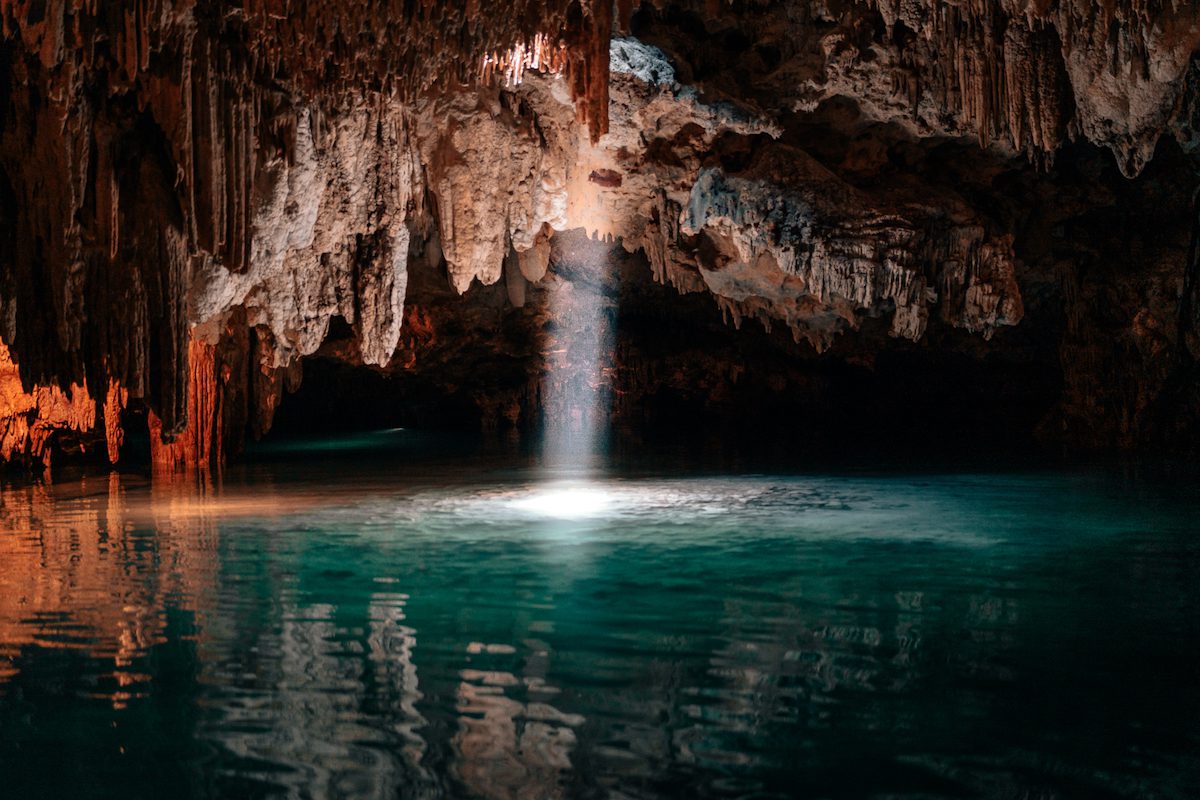
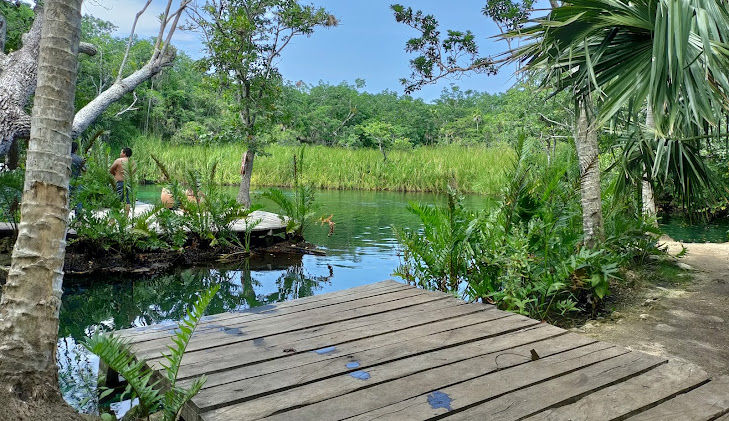
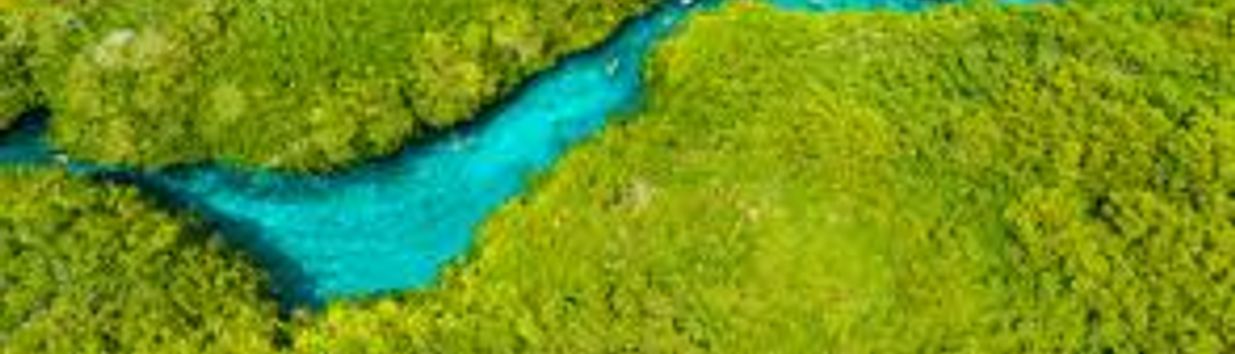
Cenote Manatee, also known as Casa Cenote, is a natural jewel tucked away in the Mayan Riviera near Tulum in Mexico. Unlike the deep, vertical pit cenotes that are common in the Yucatan Peninsula, Cenote Manatee is a large, open-air cenote, shaped more like a river or a lagoon surrounded by lush mangroves and teeming with vibrant wildlife. The cenote gets its name from the manatees that were once spotted in its clear, fresh waters, which connect to the nearby Caribbean Sea through an underground cave system.
The water in Cenote Manatee is a unique mix of fresh and saltwater, known as an estuary. This creates a very special ecosystem, home to a variety of species—from small fish to birds and even crocodiles. Its clear blue waters and gentle current make it a popular spot for snorkeling and swimming, with the opportunity to observe underwater life in a serene and almost magical setting.

Interesting in choosing Mexico City day trips to show you the city's artistic side? The Mexico City Xochimilco Coyoacan Tour is perfect to immerse yourself in t...
The history of Cenote Manatee is as captivating as its waters. These natural sinkholes were sacred to the ancient Maya, who regarded them as gateways to the underworld and as sources of life-giving water. While there isn't a lot of recorded history specific to Cenote Manatee, it stands as part of the extensive network of cenotes that were crucial to the survival and spirituality of the Maya civilization.
In recent decades, the cenote has become a cherished spot for locals and visitors alike. Its access to the sea through subterranean channels has fascinated divers, prompting exploration and mapping of this hidden and complex underwater world. Stories from elder residents recount how the cenote was once a quiet, secret place before it caught the attention of the outside world.
Today, centered around conservation efforts, Cenote Manatee represents not only a chapter of the region's rich heritage but also a commitment to preserving these natural wonders. Protecting the delicate balance of its ecosystem is a priority, maintaining its pristine conditions for future generations.
Cenote Manatee is important for a multitude of reasons. Environmentally, it's a cornerstone of the local ecosystem, supporting an array of species that thrive in its waters. The cenote’s role in the biodiversity of the region cannot be overstated—it serves as a habitat, a breeding ground, and a source of nourishment for the creatures that live in and around it.
Culturally, cenotes are an intrinsic part of Mayan history and have always been shrouded in mystery and reverence. For the Maya, these were not just water resources but sacred places for conducting rituals and making offerings to the gods. Cenote Manatee carries this deep cultural significance and connects us to the ancient practices and beliefs of the region's original inhabitants.
For tourism, Cenote Manatee is a vital attraction that draws visitors from all over the world, which helps to support the local economy. Its unique characteristics—such as being less crowded, having easy accessibility, and offering a tranquil setting—make it a standout spot even among the many cenotes of the Yucatan peninsula. It allows visitors to connect with nature while engaging in recreational activities like swimming, snorkeling, and environmental education.
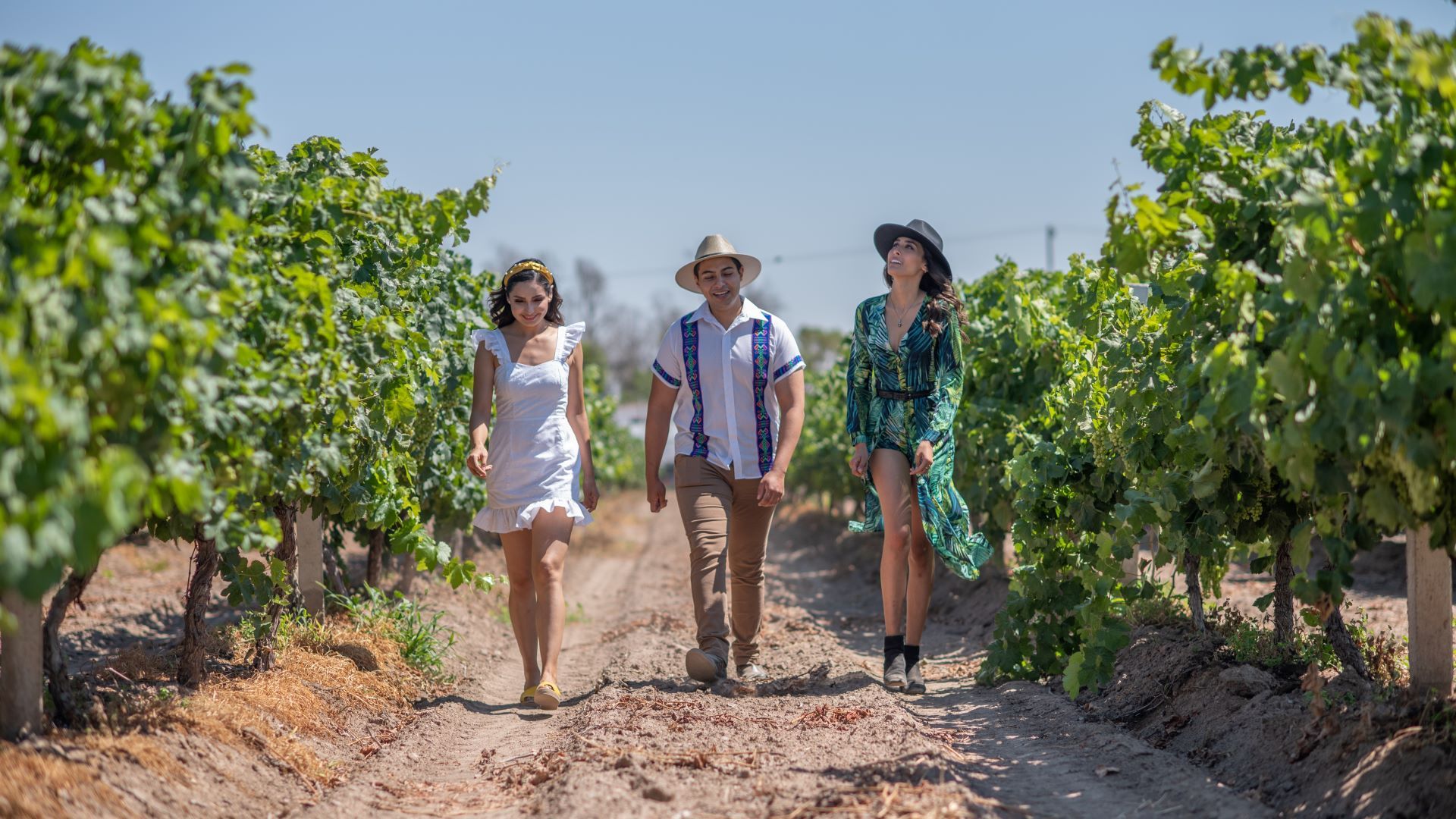

At Cenote Manatee, the list of activities is as refreshing as a dip in its waters. Here are a few experiences you shouldn't miss:
For those wanting a quieter pursuit, simply swimming in the cool waters is a pleasure. The banks of the cenote provide perfect spots for picnicking and savoring the natural beauty. And let's not forget photography—the myriad hues of blue and green, coupled with the vibrant life in and around the cenote, promise stunning shots.
Finally, for a truly immersive experience, I always recommend taking the time to learn about the ecological significance and the conservation efforts in place to protect cenotes like Manatee. This way, you can appreciate not only its beauty but also the importance of preservation. Now, let's get ready to dive into the tranquil waterways and discover all that Cenote Manatee offers.
| 📌 Address | Carr. Fed. #307, 246 km, Bahia Tankah, in front of Hotel Casa Cenote Tulum Q Bahia, 77772 Tankah Pueblo, Q.R., Mexico |
| ⏰ Opening Hours | 8:00 AM - 5:00 PM |
| 💸 Entrance Fee | Free |
Cenote Manati, also known as Casa Cenote, is a natural sinkhole filled with fresh water that is part of a larger connected underwater cave system located near Tulum, Mexico. It is a popular spot for snorkeling, diving, and swimming due to its clear waters and abundant marine life.
Cenote Manati is located approximately 10 kilometers north of Tulum. You can reach it by car via the 307 Highway towards Playa del Carmen. It is also accessible by colectivos (shared vans) or by booking a tour that includes transportation to the cenote.
At Cenote Manati, you can enjoy activities such as snorkeling to observe the underwater life, scuba diving in the cave system, swimming in the clear waters, or simply relaxing in the natural surroundings. Kayaking is also a popular activity due to the calm waters of the cenote.
Cenote Manati offers basic facilities for visitors, including restrooms, showers, parking, and rental equipment for snorkeling and diving. There may also be vendors selling snacks and refreshments. It's recommended to bring essentials with you as facilities might be limited.
Yes, there is typically an entrance fee required to access Cenote Manati. This fee helps with the maintenance of the area and the preservation of the natural environment. The fee may vary, so it's a good idea to check the most up-to-date pricing before your visit.