+1 617 404 2125
Muyil Archaeological Site




Search


| 📌 Address | Reforma Agraria-Puerto Juárez km 25, 77710 Chunyaxché, Q.R., Mexico |
| ⏰ Opening Hours | 9:00 AM - 3:00 PM |
| 💸 Entrance Fee | MXN 65 |

Muyil, also known as Chunyaxché, is one of the earliest and longest inhabited ancient Maya sites on the eastern coast of the Yucatan Peninsula. Located within the Sian Ka'an Biosphere Reserve, a short distance from Tulum, this site offers a tranquil and less crowded experience compared to more popular Maya ruins. Nestled amidst lush forestation, Muyil is a testament to the ingenuity of the Maya civilization, featuring structures that whisper tales of commerce, spirituality, and the extraordinary relationship the Mayas had with their environment.
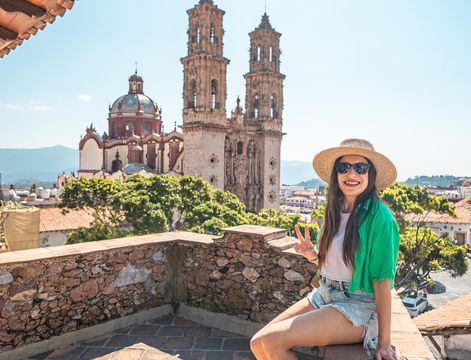
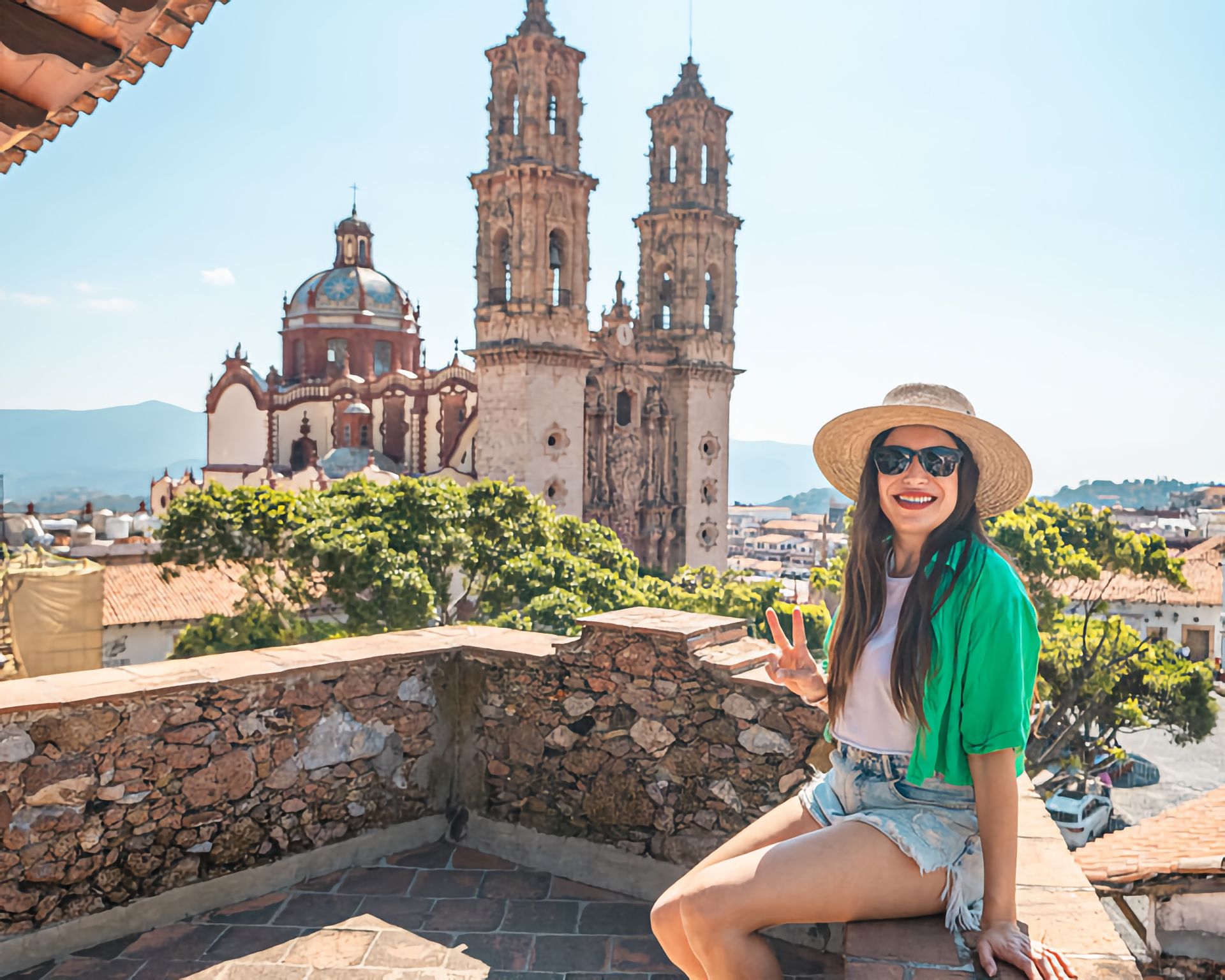
If you want to see more of the local life, our Mexico City Taxco Tour is the perfect way to escape common tourist traps! This is one of our all inclusive Mexico...
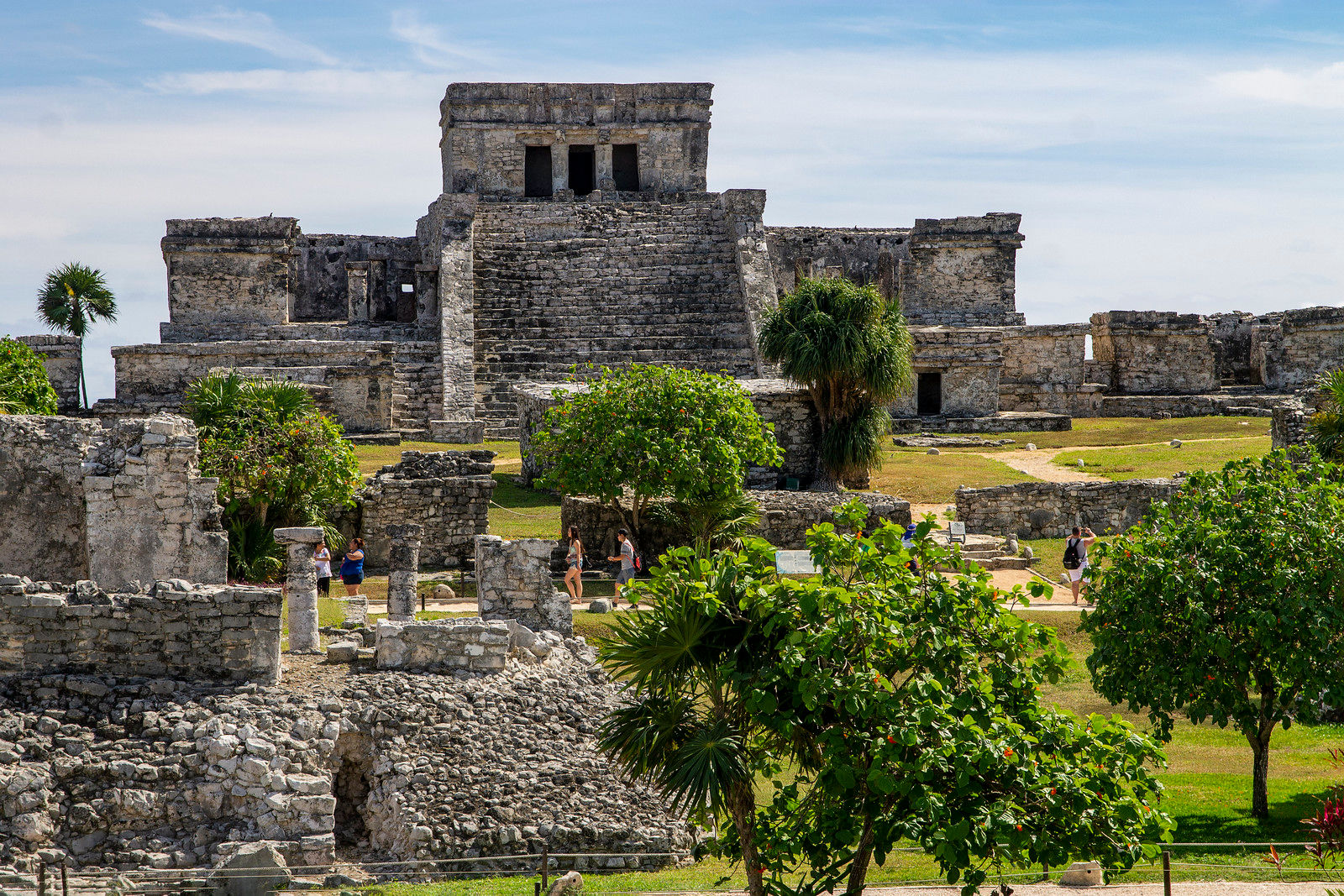
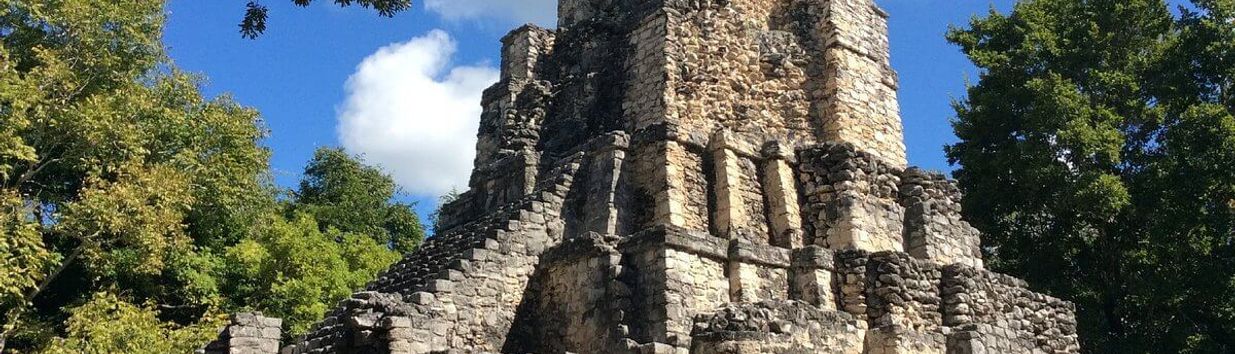
As you wander through this serene archeological site, it's not uncommon to hear the songs of tropical birds or even spot a coati ambling past the ruins. The main structure, known as El Castillo, looms over the site, offering an impressive view of the surrounding lagoon system which was once a significant trade route for the Maya people. Visitors are increasingly discovering Muyil's unique charm, making it a fascinating off-the-beaten-path alternative to its more renowned neighboring sites.
The ancient city of Muyil was inhabited as early as 350 BCE, according to carbon dating of relics found on-site, and it remained active until about 1200-1500 AD. Over this extensive period, the city engaged in significant commerce with other Maya communities and was particularly integral in maritime trade routes. Remarkably, evidence suggests that Muyil was a pivotal access point connecting the Caribbean Sea with the inland urban centers through a series of canals.
As for its timeline, the site flourished mainly during the Late Preclassic to the early Postclassic period of Maya history. The artifacts unearthed here, from pottery to architecture, portray a vivid picture of the city's evolution. Unlike some neighboring sites, Muyil wasn't entirely abandoned after the Spanish conquest, as indications show some level of continued occupation into the 16th century. Its resilience and the continuity of its occupation make Muyil an intriguing study of Maya civilization endurance through both internal developments and external influences.

Today, Muyil stands as a valuable piece of the complex Maya history puzzle, immersing visitors in a narrative that extends far beyond the more renowned Maya cities. Its distinctive traits and relics continue to fascinate archaeologists and historians, unveiling new insights into the Maya way of life as ongoing excavations and studies reveal more about this ancient city's past.
Muyil holds historical importance due to its longevity and its role in the network of Maya trade. The archaeological site showcases a unique assortment of Maya architecture, reflecting a rich cultural history. Its location within the Sian Ka'an reserve, a UNESCO World Heritage Site, underscores the harmonious relationship between the Maya and their environment, where they expertly navigated the challenges of the landscape to create a thriving community.
The lagoon system, connected by still-visible ancient canals to which Muyil once owed much of its commercial success, marks one of the earliest attempts in the region at large-scale water management and engineering. This site signifies the Maya's advanced understanding of coastal resources, which was critical for trade and sustenance. Muyil thus represents an integral piece in understanding the growth and sophistication of Maya civilization.
Beyond its historical and cultural significance, Muyil is an essential piece of the regional ecosystem today. The thick surrounding forests and nearby wetlands contribute to the conservation of a range of flora and fauna native to the Yucatan Peninsula, making the site doubly significant both as a historical landmark and a biodiversity haven. Its dual contribution to history and conservation is a powerful testament to the interconnectivity of cultural and natural heritage.
El Castillo, the main pyramid at Muyil, is an awe-inspiring sight to behold. This impressive edifice allows for spectacular panoramic views of the surrounding jungle and lagoons. Climbing the pyramid, though often restricted for preservation purposes, gives you a sense of the city's scale and its integration into the landscape. Near El Castillo stands another significant structure, the Pink Palace, noted for its distinct rosy hue, a result of the pigments used in the plaster covering the building.
Visitors can engage in a self-guided walk along well-defined paths, which offer a sense of discovery amongst the ruins and nature. Informational placards in Spanish and English provide context to what you're witnessing. The path eventually leads to a wooden boardwalk that takes you through a beautiful marshy area, rich in biodiversity, all the way to the Muyil Lagoon.
At the lagoon, you have the opportunity to embark on a boat tour which weaves through ancient man-made canals, including the impressive Chunyaxché Canal, believed to be constructed by the Maya around 1100 AD. This waterway tour ultimately connects to the larger Ascension Bay truly demonstrating the advanced engineering of the Maya people. If you're a nature enthusiast, birdwatching in this area is exceptionally rewarding, with the chance to spot local species such as the Mexican sheartail hummingbird, Yucatan jays, and black-headed trogons.
| 📌 Address | Reforma Agraria-Puerto Juárez km 25, 77710 Chunyaxché, Q.R., Mexico |
| ⏰ Opening Hours | 9:00 AM - 3:00 PM |
| 💸 Entrance Fee | MXN 65 |
The Muyil Archaeological Site is an ancient Mayan city located near Tulum in the state of Quintana Roo, Mexico. It is known for its well-preserved ruins and is considered one of the earliest and longest inhabited Mayan sites on the eastern coast of the Yucatan Peninsula.
To get to the Muyil Archaeological Site from Tulum, you can drive south for about 15-20 minutes on Highway 307. Alternatively, you can take a colectivo (shared minivan) or a taxi from Tulum.
The Muyil Archaeological Site is typically open from 8:00 AM to 5:00 PM every day, but it is recommended to check with the official site or local tourism offices for the most updated hours.
Yes, guided tours are available at the Muyil Archaeological Site. Visitors can often find guides at the entrance of the site who offer tours in various languages, providing detailed information about the history and significance of the ruins.
When visiting the Muyil Archaeological Site, it's advised to bring comfortable walking shoes, sun protection (such as sunscreen, a hat, and sunglasses), water, insect repellent, and a camera to capture the beauty of the site.