+1 617 404 2125
Sambisari Temple




Search


| 📌 Address | Jl. Candi Sambisari, Sambisari, Purwomartani, Kec. Kalasan, Kabupaten Sleman, Daerah Istimewa Yogyakarta 55571, Indonesia |
| ⏰ Opening Hours | 7:00 AM - 5:00 PM |
| 💸 Entrance Fee | IDR 5,000 |

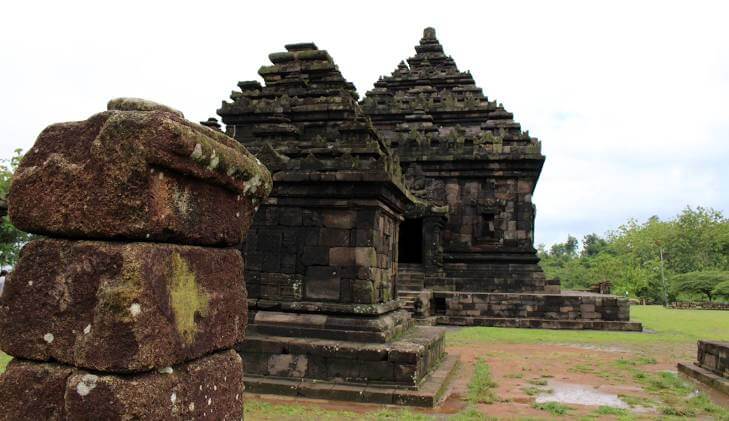
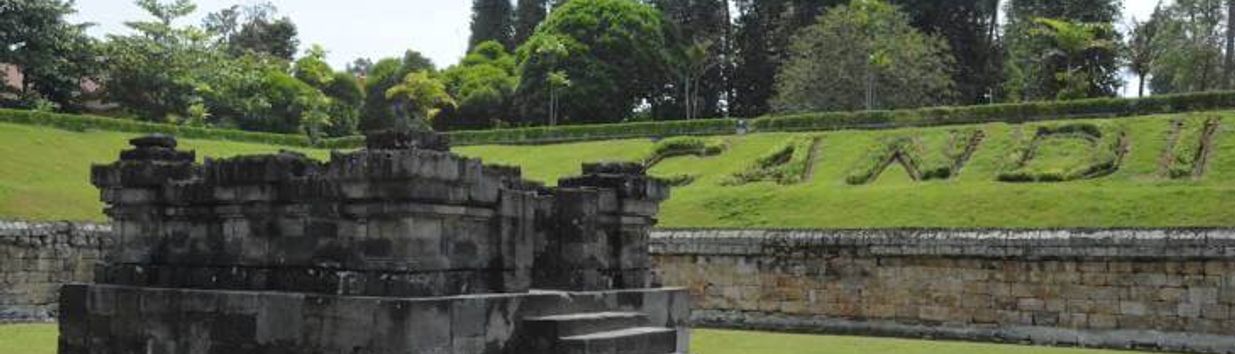
Candi Sambisari is an intriguing 9th-century Hindu temple located just a stone’s throw away from the bustling city of Yogyakarta, Indonesia. It's an unexpected gem, offering a serene and somewhat mystical experience. Unlike other temples in the region that sit atop hills or are prominently displayed, Candi Sambisari's main distinguishing feature is its subterranean position, as it was buried about five meters below the ground until its rediscovery.

Our Nusa Penida Private Boat Snorkeling Tour is one of our newest and most anticipated tours in Bali! On this tour in Bali, you'll get to island hop on a privat...
The temple was accidentally discovered by a farmer in 1966, which was quite a revelation given that for centuries, it was hidden under volcanic ash believed to be from the eruption of Mount Merapi. After excavation, it became apparent that Candi Sambisari was a well-preserved relic of the past. Archaeologists estimate that it was constructed during the rule of Rakai Garung in the 9th century. Despite its smaller size compared to the more famous Prambanan Temple, which is not far from its location, Candi Sambisari provides an intimate glimpse into the region's spiritual history and the Hindu legacy of the Mataram Kingdom.
Historical inscriptions are sparse when it comes to this temple, which only adds to its enigma. However, the name 'Sambisari' itself possibly correlates with the name of a village in the vicinity. As for its construction, it reflects the Hindu architecture of the time, which is characterized by the presence of a central shrine surrounded by smaller temples, akin to the universe and its celestial bodies.
Candi Sambisari serves as a unique testament to the resilience of cultural heritage. Despite being buried for more than a millennium, it remains incredibly well-preserved, offering us invaluable insights into ancient Javanese culture and religion. Its submergence and subsequent excavation is, in itself, a powerful narrative of the intersection between nature and civilization. Visitors to Candi Sambisari do not just see a temple -- they witness a historical site that has withstood the test of time and natural disasters.
Moreover, it's a poignant reminder of the ancient Mataram Kingdom's religious and cultural grandeur. Given its proximity to Prambanan and Borobudur, it enriches the story of a time when Hinduism and Buddhism thrived side by side in Java. For scholars and enthusiasts of archaeology and history, Candi Sambisari is an important puzzle piece in understanding the spread of Hinduism in Southeast Asia.


| 📌 Address | Jl. Candi Sambisari, Sambisari, Purwomartani, Kec. Kalasan, Kabupaten Sleman, Daerah Istimewa Yogyakarta 55571, Indonesia |
| ⏰ Opening Hours | 7:00 AM - 5:00 PM |
| 💸 Entrance Fee | IDR 5,000 |
Candi Sambisari is a 9th-century Hindu temple located in Yogyakarta, Indonesia. It is unique because it was buried about five meters underground for centuries before being rediscovered in 1966.
Candi Sambisari was discovered by a farmer named Karyowinangun in 1966 when he was digging on his land and struck the top of the temple, which had been buried under volcanic ash.
Candi Sambisari is built in the classic Java Hindu temple architecture style, featuring a central shrine surrounded by multiple smaller temples known as perwara temples.
Yes, Candi Sambisari is adorned with bas-relief carvings that depict Hindu mythology, including the story of Lord Vishnu and the churning of the Ocean of Milk.
There is typically a small entrance fee to visit Candi Sambisari, and it is open to visitors every day from morning until late afternoon, although exact times can vary, so it's best to check beforehand.