+1 617 404 2125
Candi Sari




Search


| 📌 Address | Jl. Candisari Jl. Raya Solo - Yogyakarta No.107, Bendan, Tirtomartani, Kec. Kalasan, Kabupaten Sleman, Daerah Istimewa Yogyakarta 55571, Indonesia |
| ⏰ Opening Hours | 8:00 AM - 3:00 PM |
| 💸 Entrance Fee | IDR 10,000 |

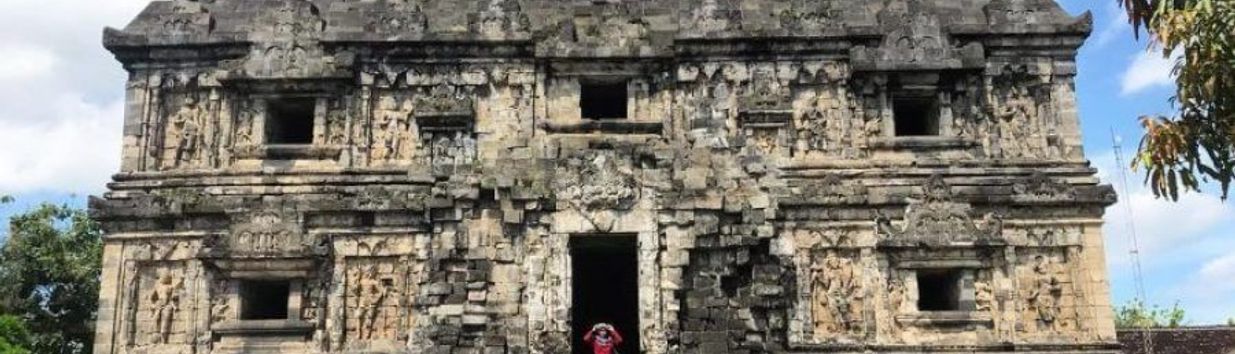
Candi Sari is an ancient Buddhist temple, a hidden gem nestled amid lush landscapes in the historical region of Yogyakarta on Java Island, Indonesia. Known for its detailed carvings and serene atmosphere, the temple provides a profound glimpse into the past with its architectural splendor and intricate bas-reliefs. Often overshadowed by the nearby larger temples like Borobudur and Prambanan, Candi Sari holds its own unique charm, mainly due to its lesser-known status that gives visitors a sense of discovery and solitude.

Feed your inner adrenaline junkie with this all-inclusive, Bali Water Sports Adventure & Water Blow Visit. Jet skis, banana boats and parasailing, your morning ...
The history of Candi Sari is deeply entwined with the rich tapestry of Java's classical era. Believed to have been built during the 8th century under the Sailendra dynasty, it served as a vihara, or Buddhist monastery, where monks dwelled, studied, and worshiped. The exact origins and the founding patron of Candi Sari, however, are shrouded in mystery, as is the case with many Javanese temples from this period. Over the centuries, volcanic eruptions, jungle growth, and time itself buried the temple, only to be rediscovered and restored in the 20th century.
Interestingly, the restoration of Candi Sari had revealed how it seamlessly combined both spiritual and residential functions, with living quarters built into the upper levels of the structure. This multifunctional design is somewhat unique among Javanese temples and adds to Candi Sari's historical significance within the study of Indonesian archeology and Buddhist architecture.
Candi Sari is important for several reasons, particularly its contribution to the understanding of Buddhist culture and architecture in Java. As a surviving example of an 8th-century Buddhist monastery, it offers insights into the way religious and community life were intertwined during this period. The temple's distinct architectural style, with its blend of stuccoed brick and stone construction, provides a different narrative to the predominantly stone temples found throughout Yogyakarta.
Additionally, Candi Sari's rare bas-reliefs and serene ambience hold significant cultural importance. The carvings here are not just decorative; they depict tales of the Buddha and other spiritual iconography, offering a window into the artistic expressions and religious fervor of the time. As a site of historical and spiritual contemplation, Candi Sari plays a vital role in the fabric of Javanese history, especially for those interested in ancient civilizations and religious studies.
Visiting Candi Sari isn't just about appreciating its historical grandeur; it's an experience, an immersion into a tranquil domain where the past echoes through the corridors. One of the must-see elements is the detailed bas-reliefs which adorn the temple's inner chambers. The reliefs are remarkably well-preserved, and you can spend considerable time tracing the narratives that are chiseled into the walls.
Don't miss to explore the upper floors where the monks' former living quarters redefine your notion of ancient monastic life. The panoramic view of the surrounding rice fields and verdant landscape from these higher vantage points offers a serene backdrop for contemplation or photography. I always suggest coming early in the morning to catch the soft golden light that makes the reliefs come to life, and to enjoy the site in relative quiet before the day unfolds.



| 📌 Address | Jl. Candisari Jl. Raya Solo - Yogyakarta No.107, Bendan, Tirtomartani, Kec. Kalasan, Kabupaten Sleman, Daerah Istimewa Yogyakarta 55571, Indonesia |
| ⏰ Opening Hours | 8:00 AM - 3:00 PM |
| 💸 Entrance Fee | IDR 10,000 |
Candi Sari is an ancient Buddhist temple, also known as Sari Temple, located in Yogyakarta, Indonesia. It was built during the 8th century and served as a sanctuary and monastery.
Candi Sari is accessible by car or motorbike from Yogyakarta. It's located near the Prambanan temple complex, and public transportation options are also available, although less direct.
Candi Sari is typically open to the public from morning to late afternoon. It is advisable to check the latest opening hours before planning your visit as they can change due to special events or maintenance work.
Yes, there is usually a small entrance fee required to visit Candi Sari. This fee goes towards the maintenance and preservation of the historical site.
When visiting Candi Sari, it is recommended to wear modest clothing out of respect for the cultural and spiritual significance of the site. This means covering shoulders and knees, and possibly removing shoes when entering certain areas.