+1 617 404 2125
Candi Sewu




Search


| 📌 Address | Jl. Raya Solo - Yogyakarta No.KM.16, Bugisan, Kec. Prambanan, Kabupaten Sleman, Daerah Istimewa Yogyakarta, Indonesia |
| ⏰ Opening Hours | 6:00 AM - 5:00 PM |
| 💸 Entrance Fee | IDR 10,000 |

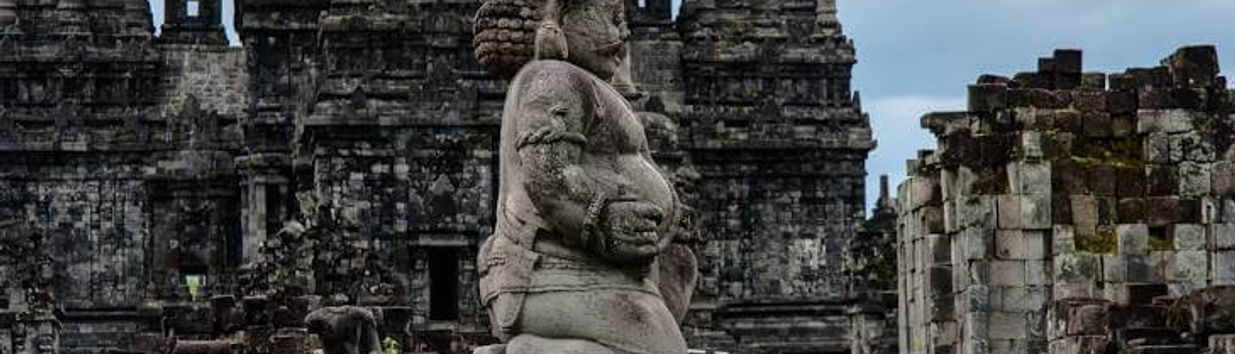
Candi Sewu is a majestic, yet perhaps often overshadowed, ancient temple complex located in the Prambanan area, just a little to the north of the renowned Prambanan Temple itself, on the island of Java, Indonesia. Its name translates to 'Thousand Temples,' stemming from its original number of structures. Although not exactly a thousand, the name hints at the temple's sprawling grandeur. This Buddhist temple holds its ground with a rare, quiet dignity, reflecting the rich tapestry of Javanese history that straddles both Hindu and Buddhist traditions.

Jet off to Nusa Lembongan on this all-inclusive, private tour. With idyllic, dream beaches, mystic mangrove forests and a speedboat experience, this Bali tour i...
As you meander through the temple grounds, you might feel the weight of centuries underfoot. Candi Sewu is the second largest Buddhist temple complex in Indonesia, remarkable for its detailed lattice stupas and the central grandeur of the main temple. I find it a particularly serene place at dawn, when you can hear the soft chorus of the Javanese countryside come to life as the first rays of sunlight dance along the ancient volcanic stones.
The construction of Candi Sewu predates that of the Prambanan complex and is estimated to have been built in the 8th century during the Rakai Panangkaran's reign, a ruler of the ancient Mataram Kingdom. While its Hindu neighbor Prambanan is dedicated to the Trimurti, Candi Sewu stands as a monument of Mahayana Buddhist beliefs. The temple has weathered a millennium of history, surviving volcanic eruptions, invasions, and the inevitable decay of time.
Historical records on Candi Sewu are sparse. However, it's believed that the temple was originally named Manjusrigrha, based on the Loro Jonggrang legend attached to the entire Prambanan temple complex. The staggering amount of labor and resources that must have gone into the construction of Candi Sewu is truly remarkable, considering the temple's size and the intricate carvings that adorn many of its remaining structures. It's the craftsmanship that lends this temple a unique narrative, one that speaks silently across generations. Can you imagine the stories these carvings might whisper if they could talk?
Candi Sewu is not merely a footnote in the annals of Javanese history; it is an integral chapter in its own right. As one of the largest Buddhist structures in Java, it serves as an important touchstone for understanding the religious and cultural dynamics of the region during the 8th century. The temple is pivotal in revealing the harmonious coexistence of Hinduism and Buddhism at the time, which is evident in the spiritual landscape where Hindu Prambanan and Buddhist Sewu stand in close proximity.
This temple complex is also significant archaeologically. It showcases the pinnacle of Javanese architectural endeavor in the service of Buddhist faith, which contrasted with the predominantly Hindu monuments in the region. The presence of Candi Sewu underscores the diversity that characterized ancient Java, and its mandala layout is a physical representation of Buddhist cosmology, something that captivates both scholars and spirituality seekers alike. And let's not forget, it's part of the Prambanan Temple Compounds, which are recognized as a UNESCO World Heritage Site.
Visiting Candi Sewu offers a profound experience, replete with opportunities to immerse oneself in history and spirituality. Start with a quiet walk around the central temple - its towering structure retains an aura of ancient wisdom. Each corner and every turn offers a new perspective, a glimpse through time. Do take a moment to absorb the detailed carvings on the walls; they depict various scenes of Buddhist teachings and Javanese life millenniums ago.
Photography enthusiasts, you'll be hard-pressed to find a more photogenic moment than the sun peeking through the ancient stupas. For those seeking a deeper understanding, perhaps sitting in meditation in one of the quieter corners of the complex can facilitate a connection with the spiritual energy Candi Sewu is suffused with. If you crave a bit more context, local guides are often available to share insights and stories that are not found in guidebooks.



Additionally, attend the Waisak festival if you happen to visit during the full moon of May; it's a celebration of Buddha's birth, enlightenment, and nirvana that brings the temple to life in a very special way. And as day yields to night, consider staying till dusk to witness the enchanting play of light and shadows as the setting sun swathes the temple in golden hues, a truly ethereal sight that lingers in one’s memory long after leaving Yogyakarta.
| 📌 Address | Jl. Raya Solo - Yogyakarta No.KM.16, Bugisan, Kec. Prambanan, Kabupaten Sleman, Daerah Istimewa Yogyakarta, Indonesia |
| ⏰ Opening Hours | 6:00 AM - 5:00 PM |
| 💸 Entrance Fee | IDR 10,000 |
Candi Sewu is a large compound of Buddhist temple located near Prambanan Temple in Yogyakarta, Indonesia. It is the second largest Buddhist temple in Java and predates the nearby Hindu temples.
Candi Sewu dates back to the 8th century and is historically significant as it reflects the cultural and religious pluralism of the region, where Buddhist and Hindu temples coexisted in proximity and harmony.
Visitors to Candi Sewu can explore the grand temple complex, admire the intricate carvings and bas-reliefs depicting Buddhist teachings, and see the various shrines and statues that have been preserved or restored.
Yes, there is an entrance fee to visit Candi Sewu, which is generally included in the combined ticket for the Prambanan Temple complex.
Candi Sewu is usually open daily from early morning until late afternoon, but it's advisable to check the latest opening hours before planning your visit as they may vary or be affected by local holidays and events.