+1 617 404 2125
Sumur Gumuling




Search


| 📌 Address | Jl. Taman, KT I, Kecamatan Kraton, Kota Yogyakarta, Daerah Istimewa Yogyakarta 55133, Indonesia |
| ⏰ Opening Hours | 8:00 AM - 5:00 PM |
| 💸 Entrance Fee | IDR 5,000 |

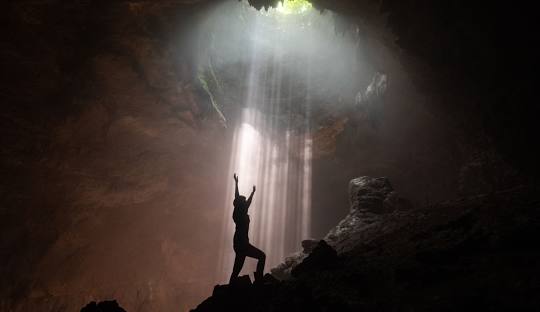
Sumur Gumuling is a unique and captivating piece of history nestled in the heart of Yogyakarta, Indonesia. It's an ancient underground mosque with a distinctive architectural design, a testament to both the spiritual depth and the architectural ingenuity of Java’s past. Often referred to as the underground mosque, Sumur Gumuling actually means 'rolling well' in Javanese. But it's not just any well; it's a fascinating structure that spirals downwards, guiding the faithful through its circular path towards a central contemplative space.

Jump onto our Nusa Penida Tembeling Natural Pool Tour with both feet! Your private Bali tour guide will take you to all the best spots on Nusa Penida including ...
As an intrinsic part of the Taman Sari complex—also known as the Water Castle—Sumur Gumuling is a mysterious piece of heritage that was once exclusively used by the Sultan and his entourage for religious purposes. Now, it's a revered tourist attraction that quietly speaks volumes about the rich cultural tapestry of Yogyakarta. It's hidden behind residential buildings, requiring a bit of an adventurous spirit to seek out its secluded location.
The story of Sumur Gumuling begins in the 18th century, commissioned by Sultan Hamengkubuwono I, the first Sultan of Yogyakarta. It was part of a larger royal garden known as Taman Sari, a complex that boasted a sophisticated water management system, luxurious pools, and beautiful gardens—a true embodiment of Javanese cosmology. Built around 1750, it served as a secluded place for the Sultan and his family, a spiritual retreat where they could perform their prayers away from worldly distractions.
Over time, as political and social landscapes changed, Sumur Gumuling was gradually abandoned and fell into disrepair. It wasn't until the late 20th century that it was rediscovered and efforts were initiated to bring it back to its former glory. Restoration attempts have been made, but one can still feel a deep sense of history among its damp walls and silent hallways. In the grand scheme of Yogyakarta's history, Sumur Gumuling is symbolic of the Sultanate's golden age.
Sumur Gumuling is important not only as a historical site but also as a cultural and architectural marvel. As an integral part of the Kraton, or Sultan's palace, it exemplifies the lavishness and the spiritual dedication of the royal court during its prime. Its underground structure, an innovative design for an 18th-century mosque, speaks to the creativity and resourcefulness of the architects and engineers of the time. This combination of faith, beauty, and innovation is what makes Sumur Gumuling an invaluable piece of Yogyakarta's heritage.
Furthermore, for the local Javanese community and visitors alike, Sumur Gumuling stands as a bridge connecting the present to a majestic past. It reminds us of the spiritual significance and the contemplative way of life that is often overshadowed in today's fast-paced world. Its resilience through the centuries is also symbolic of the enduring nature of tradition and culture that is deeply embedded in the hearts of the Javanese people.
Visiting Sumur Gumuling is almost like stepping into another realm—a serene, almost otherworldly experience. One of the first things you'll notice as you explore this ancient mosque is the acoustics. If you stand in the center of the circular room and speak, your voice will echo throughout the whole structure, symbolizing the call to prayer echoing toward the heavens.



The underground passageways and rooms in Sumur Gumuling are also fascinating to traverse. You can walk through the tunnels that the Sultan once used, a labyrinthine path that leads to the central bathing area. Your maritime journey will also show you the intricate way water was channeled and used within the complex; a sophisticated system for its time.
Lastly, don't miss the opportunity to delve into the cultural experience. Engage with the local guides who can show you hidden corners and explain the nuances of the site, often missed in guidebooks. The art of storytelling is alive and well in Yogyakarta, and the stories you'll hear about Sumur Gumuling will stay with you long after your visit. Take in the atmosphere, the history, and the architectural splendor that is this unique underground sanctuary.
| 📌 Address | Jl. Taman, KT I, Kecamatan Kraton, Kota Yogyakarta, Daerah Istimewa Yogyakarta 55133, Indonesia |
| ⏰ Opening Hours | 8:00 AM - 5:00 PM |
| 💸 Entrance Fee | IDR 5,000 |
Sumur Gumuling is a unique subterranean mosque that is part of the Taman Sari Water Castle complex in Yogyakarta, Indonesia. It features a circular structure and was historically used for religious and spiritual purposes.
Sumur Gumuling is located near the Kraton Palace. Visitors can either walk or take a becak (rickshaw) from the Yogyakarta city center or Kraton to Taman Sari and follow the signs directing to Sumur Gumuling.
Sumur Gumuling was built in the 18th century during the reign of Sultan Hamengkubuwono I as part of the royal garden. It served as a place of worship and a spiritual center for the sultan and his family.
Yes, there is a small entrance fee to visit Sumur Gumuling. The fee contributes to the maintenance and preservation of the historical site.
The best times to visit Sumur Gumuling are early in the morning or late in the afternoon when it's less crowded. It's also advisable to visit during weekdays to avoid the weekend tourist rush.