+1 617 404 2125
Dutch Market




Search


| 📌 Address | No 05 Olcott Mawatha, Galle 80000, Sri Lanka |
| ⏰ Opening Hours | 7:00 AM - 7:00 PM |
| 💸 Entrance Fee | Free |
The Dutch Market in Galle is a vibrant and historic marketplace that has been the beating heart of the city's commerce for centuries. Tucked away in the streets of this coastal town, it's not just a place to buy fresh produce; it's a living museum that showcases the confluence of culture and trade in Sri Lanka. Imagine a bustling open-air bazaar ringed with old colonial buildings, where the air is thick with the scent of exotic spices, colorful fruits, and the spirited haggling of market-goers.

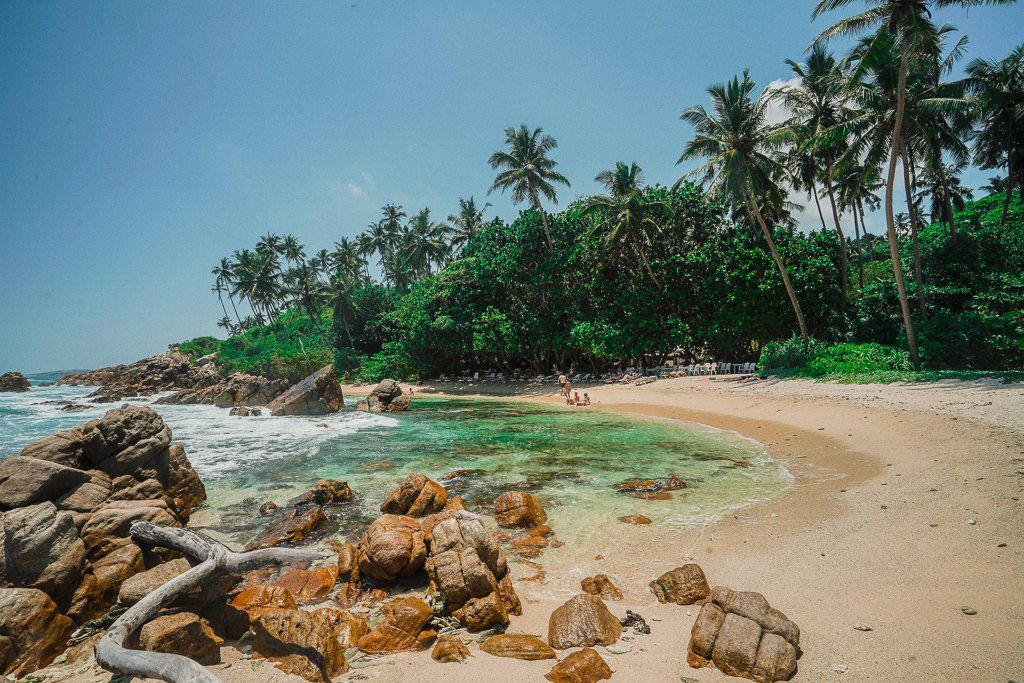
Explore the best of Sri Lanka’s southern coast on our Private Galle Instagram Tour! Visit iconic spots like Galle Fort, the famous lighthouse, Dalawella Beach...
As a seasoned frequenter of the Dutch Market, I can tell you that it's not just an ordinary shopping experience. It's a place where you can immerse yourself in the local way of life, mingling with residents and savoring the rich flavors of the freshest local fruits, vegetables, and other produce. The market, which is also known by its local name 'Pettah', continues to be one of the most authentic and unchanged spots in the city, delivering the same experience as it has for generations.
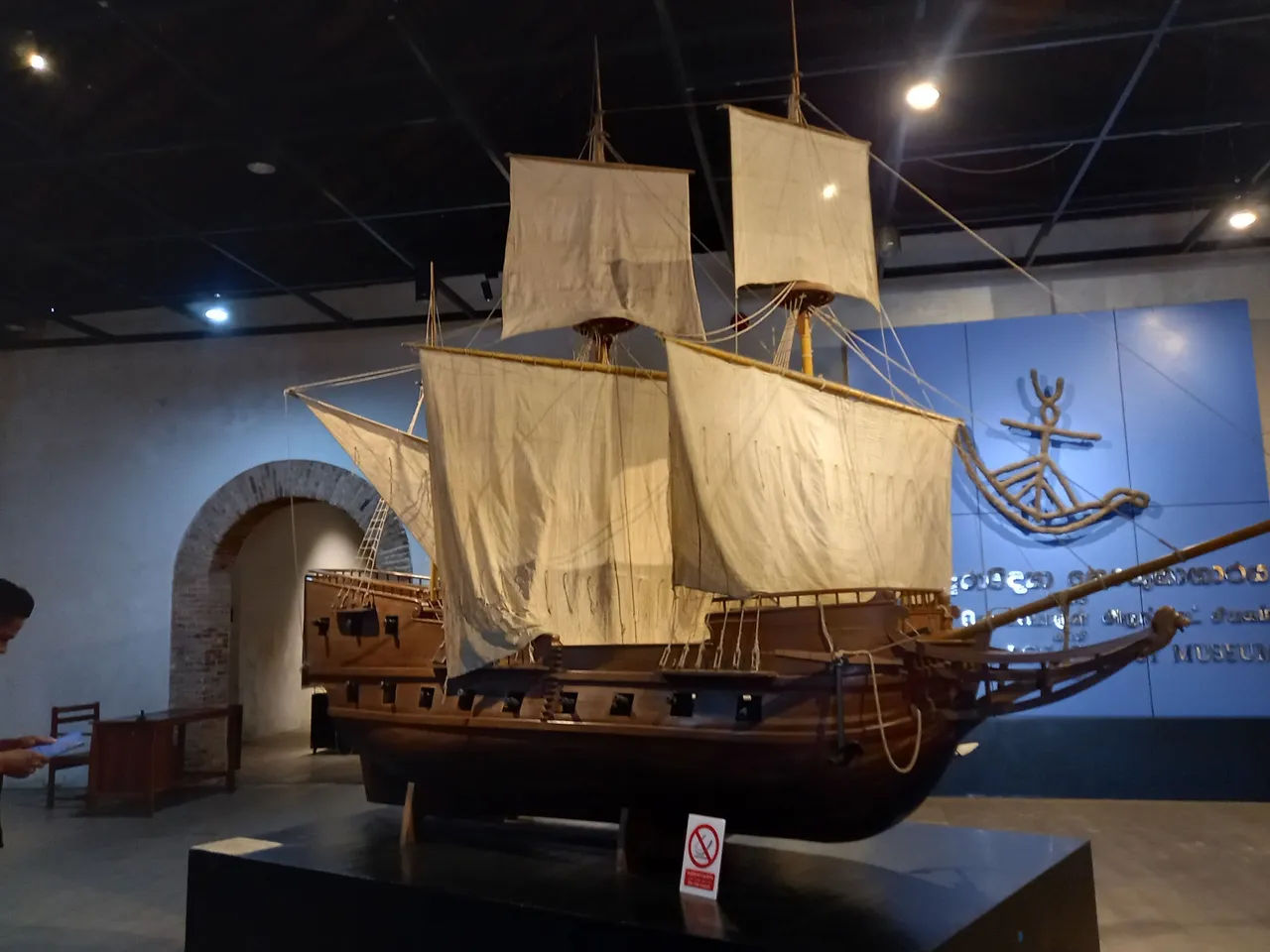
The history of the Dutch Market in Galle stretches back to the Dutch colonial period of Sri Lanka, which began in the 17th century. During this time, the Dutch East India Company established Galle as a strategic trading port, harnessing its harbor's potential to enhance their control over trade routes. I often relay to curious visitors that this marketplace has been a hub for trade since these colonial times, demonstrating the city's age-old ties to global commerce.
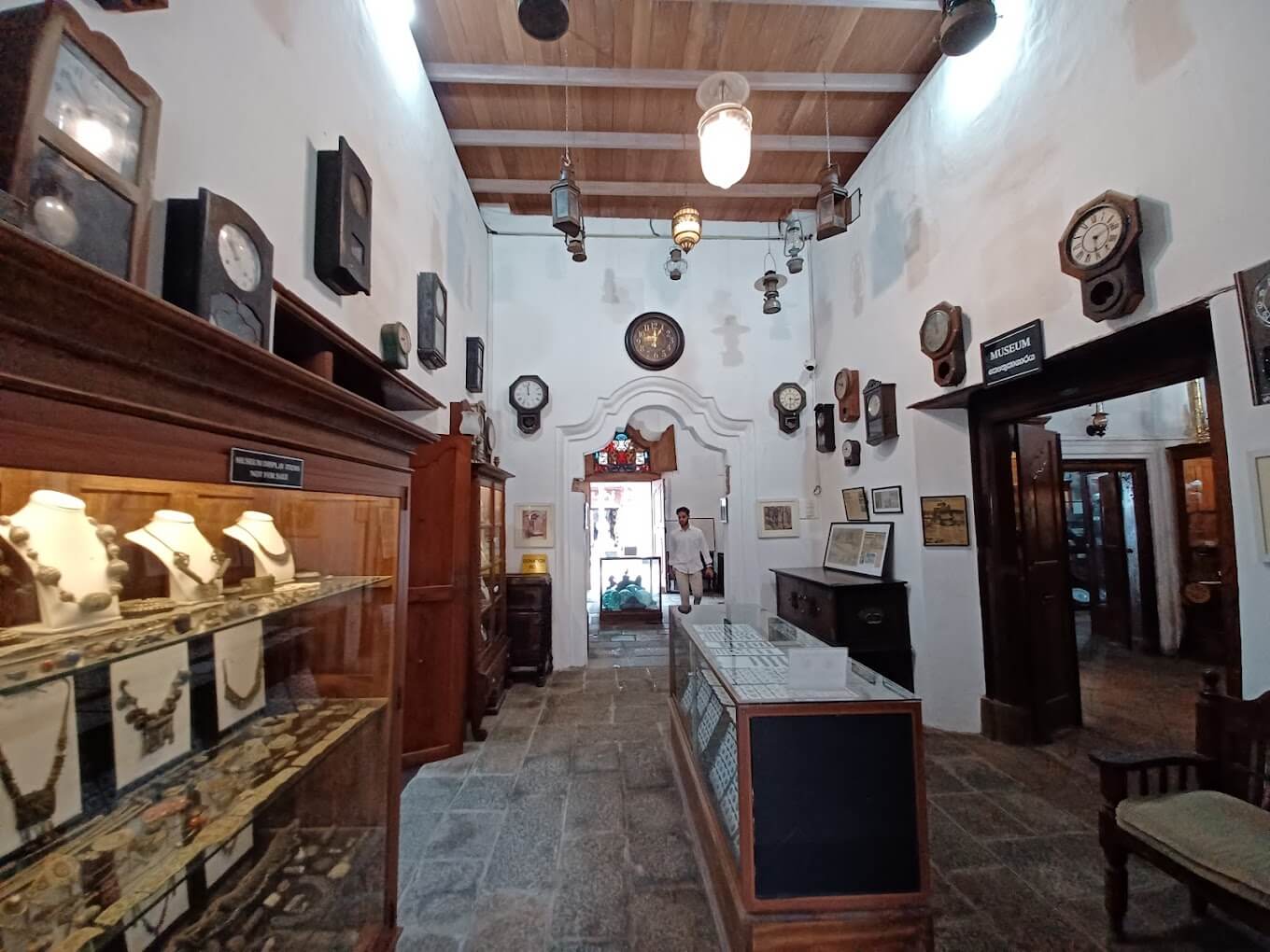
The architecture around the market still bears the Dutch influence, with the robust, high-roofed buildings that recall a time when merchants from far-off lands exchanged goods here. The market has grown and changed with the passage of time, but the legacy of its Dutch colonial roots persists, observable in the continued selling of goods and the architecture that frames the daily hustle and bustle. It's not just a market; it's a historical treasure, marking the blend of cultures that is so distinctive in Sri Lankan history.
The significance of the Dutch Market goes beyond its function as a place of trade. It embodies the essential aspects of Sri Lankan social and economic life, offering an invaluable perspective into the working lives of the people of Galle. This is where families have shopped for generations, and where farmers and fishermen sell the fruits of their labor. The market is a focal point for the Galle community, fostering social cohesion and a sense of identity linked to the city's historical narrative.
For those who appreciate the historical aspect, the Dutch Market is important for maintaining the tangible link to Galle's colonial past, as it's one of the tangible remnants of Dutch influence in Sri Lanka. Walking through the market allows you to step back in time, and see firsthand how past commerce practices have shaped the present. It's a continuing reminder of the city’s resilience and diversity, celebrating the fusion of cultures that is quintessentially Sri Lankan.
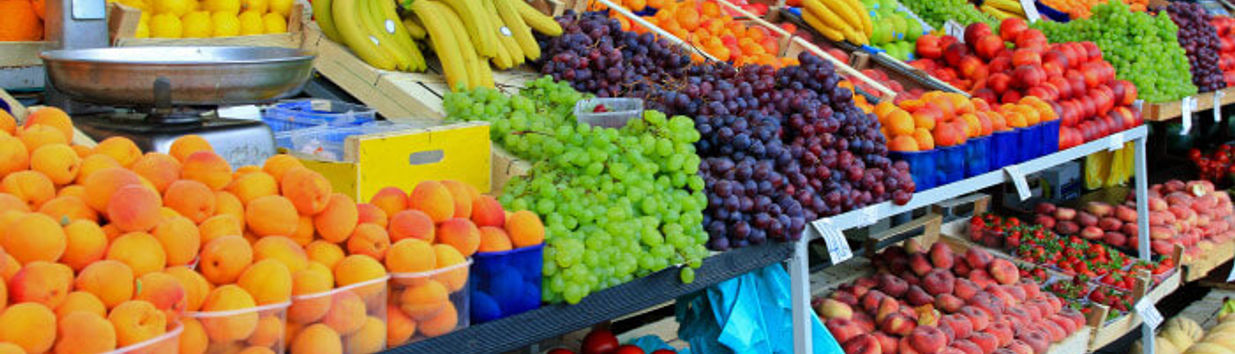
Visiting the Dutch Market is as much about engaging with the local culture as it is about shopping. Start by strolling through the rows of stalls; observe the interactions between vendors and buyers, which is like a delicate dance of negotiation and camaraderie. You'll find an array of goods: from the ripest jackfruits and mangoes to an assortment of vegetables that mirror the rainbow. I suggest you try the local street food delicacies, such as hoppers and kottu, prepared by experienced hands that cook with family recipes passed down through generations.
While you're here, don't forget to take in the architecture. The weathered but sturdy structures are silent narrators of Galle's storied past. Inspect the fine craftsmanship of the woodwork and the sturdiness of the buildings which have withstood the test of time. And if you're lucky enough to visit during the early morning, when the market is flush with activity, you'll witness the haggling, the laughter, and the vibrant energy that fills the air - an experience which truly captures the essence of Galle's culture.


In addition to savoring the visual and gustatory delights, engage with the locals. These interactions can often lead to hearing the best-kept secrets of the city, finding out about hidden spots, or even learning a few words in Sinhala. Many visitors have told me that their conversations at the market were as valuable as any historical tour. Remember, the Dutch Market isn't just a destination; it's an experience intricately woven into the fabric of Galle.
| 📌 Address | No 05 Olcott Mawatha, Galle 80000, Sri Lanka |
| ⏰ Opening Hours | 7:00 AM - 7:00 PM |
| 💸 Entrance Fee | Free |
The Dutch Market in Galle is a historical market place dating back to the Dutch colonial era in Sri Lanka. It is known for its architecture and vibrant atmosphere, where locals sell fresh produce and goods.
The Dutch Market is located in the heart of Galle Fort, which is a UNESCO World Heritage Site in the city of Galle, Sri Lanka.
Visitors to the Dutch Market can buy a variety of items including fresh fruits, vegetables, spices, local crafts, and souvenirs reflective of the rich culture of Sri Lanka.
The Dutch Market typically opens early in the morning and closes in the evening. However, it's best to check current opening times ahead of your visit as they can vary.
Yes, guided tours are often available for the Dutch Market and the surrounding Galle Fort area, providing insights into the history and cultural significance of the market and its architecture.