+1 617 404 2125
Pigeon Island National Park




Search


| 📌 Address | 32RP+WX9, Unnamed Road, Gros Islet, St Lucia |
| ⏰ Opening Hours | 24 hours |
| 💸 Entrance Fee | Free |
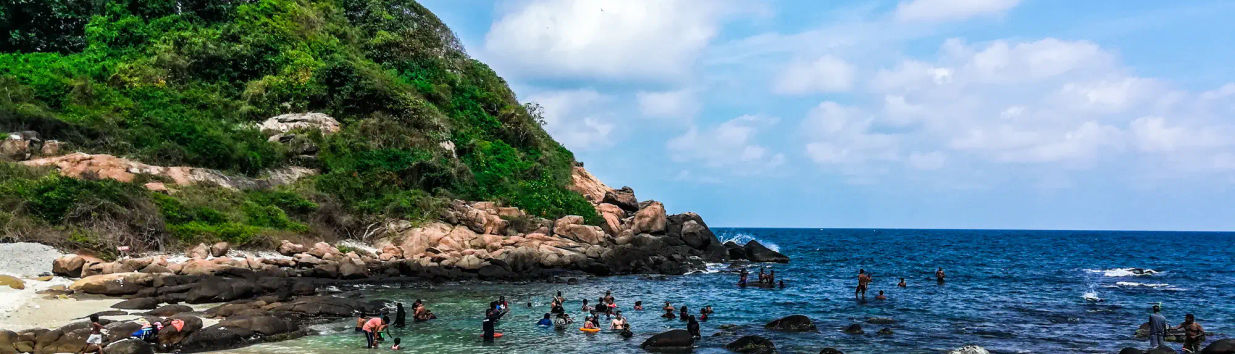
Pigeon Island National Park is a marine sanctuary located in the northeastern region of Sri Lanka, near the coastal town of Nilaveli. It comprises two islands – Pigeon Island and smaller Coral Island – and is famed for its powdery white sands, lush emerald waters, and vibrant coral reefs. It stands as a beacon of natural beauty and a pinnacle of marine biodiversity, attracting adventurers and nature enthusiasts from across the globe.
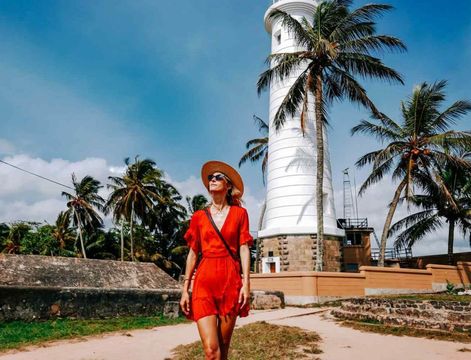
Explore the best of Sri Lanka’s southern coast on our Private Galle Instagram Tour! Visit iconic spots like Galle Fort, the famous lighthouse, Dalawella Beach...
The park is renowned for the opportunities it provides for snorkeling and diving, with its underwater landscape serving as a habitat for a variety of coral, reef fish, and turtles. It's not uncommon to see blacktip reef sharks swimming in the shallow waters, a harmless yet thrilling encounter for visitors. The name 'Pigeon Island' comes from the rock pigeons which have colonized the island, adding an ornithological interest to the marine allure.
The history of Pigeon Island National Park is as rich and layered as its aquatic life. Initially used as a shooting range during the colonial period, the island's inherent natural value was soon recognized, leading to its declaration as a sanctuary in 1963. Following its recognition, Pigeon Island was upgraded to a national park status in 2003, to bolster its environmental protection and conservation efforts. This upgrade was a significant step towards securing the future of its delicate ecosystems, substantially impacted by coral bleaching and human activity.
Throughout the years, locals have played a crucial role in conserving the area, recognizing the importance of the park to both the environment and their livelihoods. They have been allies in research, conservation, and eco-tourism efforts, ensuring that those who step onto the island understand the fragility and significance of its natural treasures.
Pigeon Island National Park is important for several compelling reasons. At its core, the park is a crucial marine habitat, hosting some of the best-preserved coral gardens in Sri Lanka. These reefs serve as a nursery and feeding ground for countless species of fish and other marine creatures, playing an integral role in maintaining marine biodiversity.
The park is also a vital research and educational hub. It provides a natural laboratory for scientists, researchers, and students to study marine ecosystems and the impacts of climate change, such as coral bleaching. For the local communities, Pigeon Island is a cornerstone for eco-tourism, offering a sustainable income source that encourages environmental stewardship among residents and tour operators.
In the broader scope of conservation, Pigeon Island National Park is a tangible example of the delicate balance between human activity and nature. It challenges visitors to think about their environmental footprint and inspires them to contribute to the protection of natural habitats. By highlighting the park's importance, we foster a global community invested in preserving such irreplaceable natural wonders.
Visiting Pigeon Island National Park is a chance to immerse oneself in an underwater kaleidoscope of color and life. The primary activity here is snorkeling, with the shallow coral reefs providing a sanctuary for up to 100 species of corals and 300 coral reef fish species. Diving deeper, one can experience the thrill of witnessing blacktip reef sharks, hawksbill turtles, and large schools of fish.

Apart from the marine escapades, bird watching is also a popular activity, with the island's namesake rock pigeons and other bird species thriving in the habitat. Additionally, one can explore the island’s verdant trails, which deliver panoramic views of the surrounding ocean and the lush coastline of the mainland. It's also a perfect spot for photography, capturing the essence of Sri Lanka's natural beauty.
For those interested in conservation, information sessions about the fragile ecosystems and the importance of coral reefs in the marine environment are deeply insightful. Through these sessions, one gains an appreciation of the complexity of marine life and understands the critical role that places like Pigeon Island National Park play in the grand tapestry of our planet's biodiversity.
| 📌 Address | 32RP+WX9, Unnamed Road, Gros Islet, St Lucia |
| ⏰ Opening Hours | 24 hours |
| 💸 Entrance Fee | Free |
Pigeon Island National Park is a marine national park in Sri Lanka, situated in the vicinity of Nilaveli on the east coast of the country. It is renowned for its coral reefs and the namesake Pigeon Island, which is a haven for rock pigeons.
To get to Pigeon Island National Park from Galle, you can hire a taxi, take a bus, or drive a rental car. The journey can take around 6 hours by road, considering the distance between the two locations.
The entry fees for Pigeon Island National Park can vary depending on tourist type and age. It's recommended to check the latest fees on the official site of the Department of Wildlife Conservation, Sri Lanka, or with tour operators.
Visitors at Pigeon Island National Park can enjoy snorkeling, scuba diving, and witnessing the rich marine life, including coral gardens and reef fish. On the island itself, they can explore the natural habitat of rock pigeons and other avian species.
There are several accommodation options ranging from resorts to guesthouses near Pigeon Island National Park, especially in the nearby town of Nilaveli. Travelers can choose based on their comfort and budget preferences.