+1 617 404 2125
Stilt fishermen




Search


| 📌 Address | X8MJ+Q93, Koggala, Sri Lanka |
| ⏰ Opening Hours | 8:00 AM - 5:00 PM |
| 💸 Entrance Fee | Free |

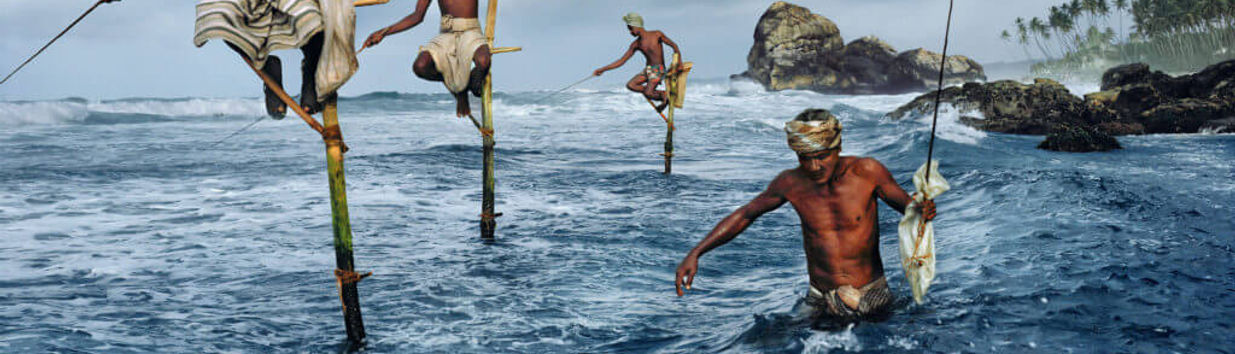
Stilt fishing is an age-old fishing method in the coastal regions of Southern Sri Lanka where fishermen sit on a crossbar called a 'petta', tied to a vertical pole and driven into the sand a few meters offshore. This practice, most famously seen in the waters around Galle, involves fishermen perching on the stilts and fishing with rods and lines while balancing themselves quite elegantly. The sight is quite picturesque and has become one of the most iconic images associated with the country's rich fishing tradition.
The shallow waters around Galle provide ideal conditions for stilt fishing, where the fisherman sits several meters above the water surface, waiting patiently for their catch. This practice is usually performed in the early mornings or late evenings, as a unique and sustainable way to catch small reef fish. It is a testament to the ingenuity and tradition of the local communities who have developed and honed this technique over generations.

Experience the best of Sri Lanka’s wildlife on our Private Whale Watching & Elephant Safari Tour! Start your day with a private speed boat ride to spot whales...
Stilt fishing originated after World War II when food shortages and overcrowded fishing spots prompted some locals to get creative. The practice began on the southern coast of Sri Lanka, where coral reefs and rocky substrates abound. These fishermen found that by elevating themselves above the water, they could access deeper and less over-fished waters. Over time, it has become a significant part of the cultural landscape of Galle and the nearby coastal regions.
As the practice evolved, it became steeped in local tradition. Each stilt was handed down from father to son, and the location of these stilts was, and still is, jealously guarded. Fishing on stilts requires skill, balance, and a deep understanding of the water and the fish that swim within it. The fishermen would spend hours each day, perched precariously on their stilts, waiting and watching for the right moment to cast their lines.
The importance of stilt fishermen in Galle extends beyond the mere act of catching fish. They are a symbol of the resilience and inventiveness of the Sri Lankan people, reflecting an intimate relationship with the sea that has sustained communities for generations. Moreover, stilt fishing has become an emblematic cultural and tourist attraction, introducing visitors to a unique aspect of Sri Lanka's heritage and way of life.
In today's context, stilt fishermen have seen a shift in their activity, with the art partly becoming a performance for the benefit of tourists. While some continue the practice as a means of livelihood, others engage in it as an income source through tourism. Visitors from around the world are drawn to the picturesque sight, often wanting to experience or photograph this serene and traditional fishing method.
Visiting the stilt fishermen offers a serene and authentic peek into the traditional Sri Lankan way of life. Here are some recommendations for integrating the experience into your visit:
Do keep in mind that while the stilt fishermen are a famous attraction, it is essential to approach them respectfully and to agree on a price beforehand if you're interested in photography or participating in the experience. After all, we want to uphold the respect and dignity of this timeless tradition!



| 📌 Address | X8MJ+Q93, Koggala, Sri Lanka |
| ⏰ Opening Hours | 8:00 AM - 5:00 PM |
| 💸 Entrance Fee | Free |
Stilt fishing is a traditional fishing method in Sri Lanka, where fishermen sit on a crossbar tied to a vertical pole planted into the coral reef. It was first practiced by fishermen around Galle during World War II when food shortages and overcrowded fishing spots prompted them to try fishing on the water.
Stilt fishermen in Galle use a stilt or pole with a crossbar called a 'petta' to perch on. They wade out into the shallow waters or sit above the surf and cast their fishing lines to catch mainly spot herring and mackerel.
The Stilt fishermen can typically be seen on the southwestern coast of Sri Lanka, especially around the areas of Galle, just off the main coastal road between Unawatuna and Weligama. The practice is more common during the dry season, from October to April.
Some local stilt fishermen in Galle offer tourists the opportunity to try stilt fishing for themselves, usually under their supervision to ensure safety and proper technique.
The best times to observe stilt fishermen in Galle are usually early in the morning at sunrise and in the late afternoon as the sun sets. These times are when the fishermen go out to sea, taking advantage of the changing tides.