+1 617 404 2125
Balana Fort




Search


| 📌 Address | Kadugannawa Balana Rd, Sri Lanka |
| ⏰ Opening Hours | 8:00 AM - 5:00 PM |
| 💸 Entrance Fee | Free |

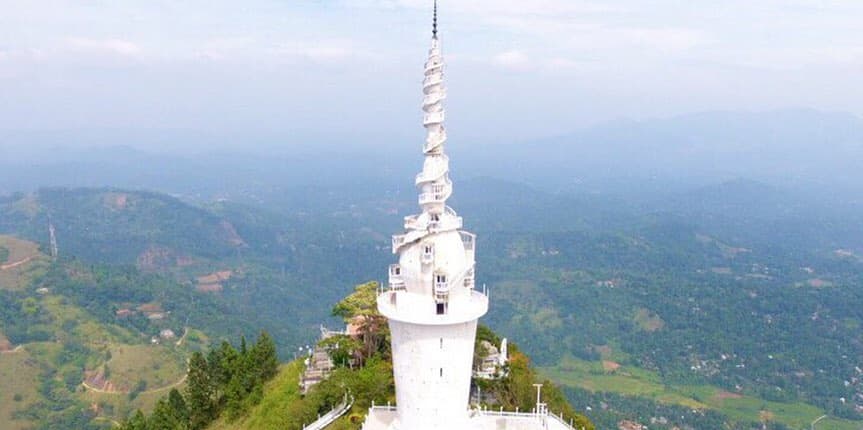
If you're venturing into the historic city of Kandy, the name Balana Fort might tickle the curiosity of any avid explorer. This lesser-known gem is an ancient fortress, perched strategically at the Balana pass. With its commanding views, the fort overlooks the Kadugannawa pass and the approaches to Kandy. It was a linchpin in the defense of the Kandyan Kingdom during times of invasion, particularly from colonial powers like the Portuguese, Dutch, and British empires.

Discover “Little England” on our Private Nuwara Eliya & Scenic Train Tour! Visit Ramboda Falls, explore the Pedro Tea Factory, relax by Gregory Lake, and en...
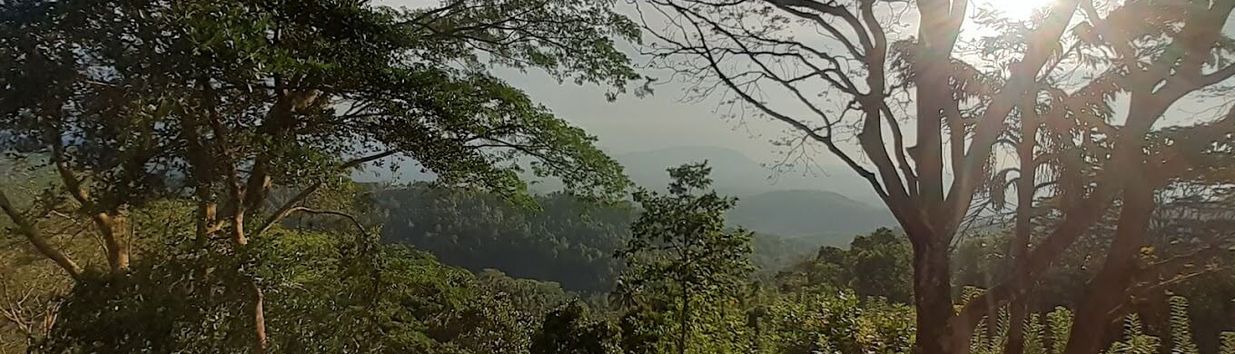
Imagine standing upon a cliff, peering down at the winding path that has been traveled for centuries—Balana Fort was the silent sentinel that surveyed these routes, protecting the last Sinhalese kingdom. Today, while only ruins remain, they whisper tales of the fort's strategic importance and the far-sightedness of the Kandyan rulers. Wandering amongst the remnants of this fortress, you can feel the echoes of the past that resonate through the dense, misty mountains that cradle this historic site.
Delve into Balana Fort and you'll find a chronicle rich with valor and resilience. The origins of Balana Fort are etched into Sri Lanka's tumultuous pre-colonial history. While exact dates of construction are a bit hazy, it's well known that the fort was significantly utilized during the Kandyan Kingdom's reign between the 15th and 18th centuries. The Kandyan rulers saw the strategic position of Balana—a natural gateway in and out of their territory—and fortified it to safeguard their land against invaders.
Throughout its history, Balana Fort has been the backdrop for many a fierce battle. In particular, during the invasions by European colonial powers, the fort played a critical role in the defense of the kingdom. The British eventually breached the pass in 1815, a pivotal moment that led to the capture of the Kandyan Kingdom and the end of Sri Lanka's independence until 1948. The legacy of the fort, its surrounding battles, and the eventual fall to the British are deeply woven into the fabric of Sri Lanka's national identity.
Balana Fort, as a historical monument, serves as an enduring symbol of the island's resistance against colonial conquest. Its significance isn't just in the battles it witnessed, but also in the cultural and historical narrative it represents. This was a place where, against overwhelming odds, the local rulers used their keen understanding of the terrain and guerilla tactics to hold off powerful invaders for centuries.
What's more, Balana Fort is synonymous with the technological and military ingenuity of the era—with features like signal stations and advanced warning systems, which at the time were impressively innovative. For Sri Lankans, the site is a point of pride, an emblem of their ancestors' determination to remain sovereign. For history buffs or anyone with an appreciation for historical strategics, this is tangible evidence of a bygone era's complexity and skill.
When visiting Balana Fort, the journey is as enriching as the destination itself. The trek to the fort is a scenic expedition, passing through lush greenery and providing panoramic vistas of the surrounding countryside. Once there, you can explore the ruins which include remnants of the fort's walls, arches, and various other structures.


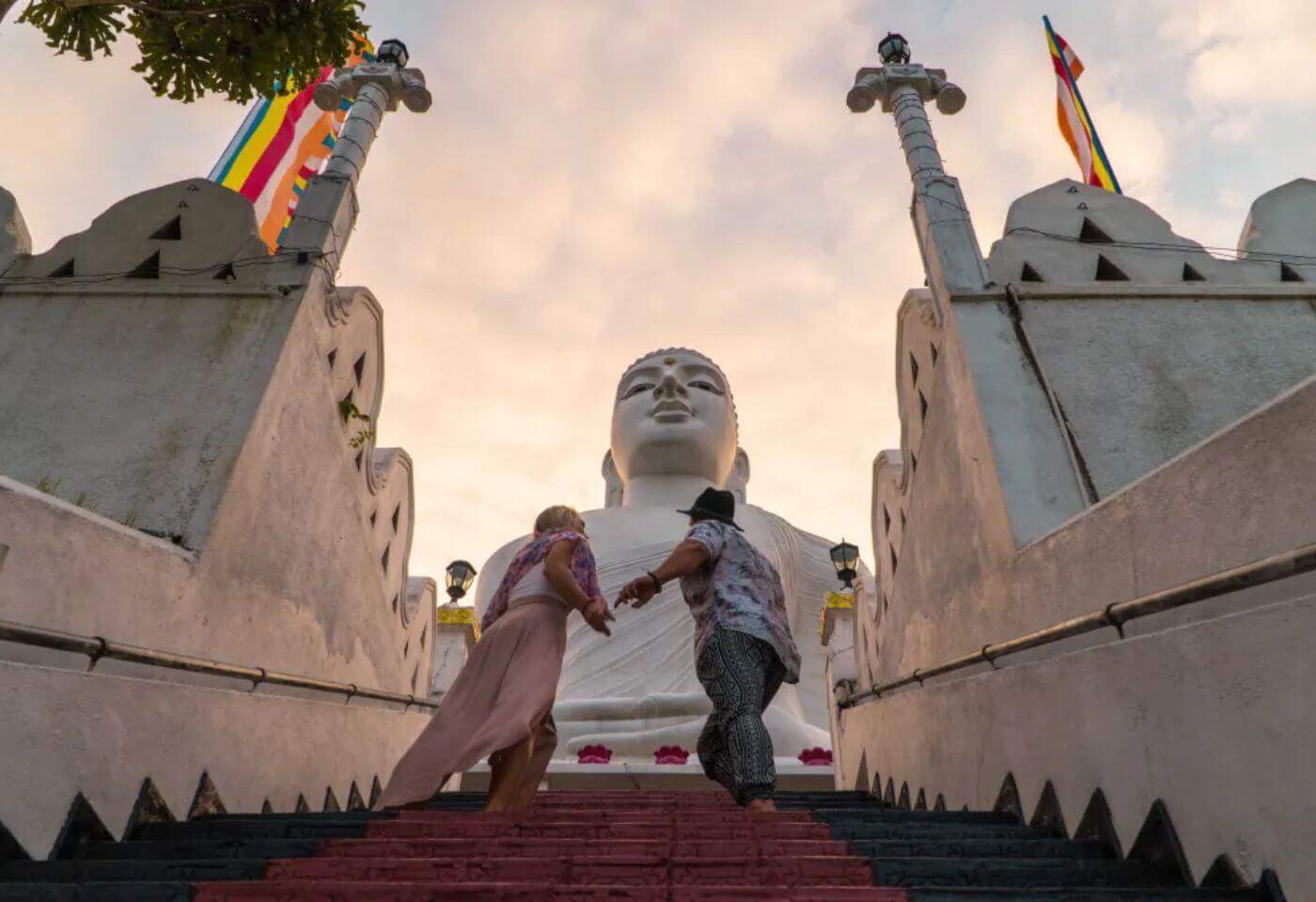
One can't miss the experience of watching the sunrise or sunset over the mountains—a breathtaking sight that makes for an unforgettable memory. For those interested in photography or painting, the fort, engulfed in golden hues of light, provides a perfect subject against a dramatic natural backdrop. Additionally, visitors sometimes encounter local wildlife and diverse flora, which adds to the site's natural allure.
Finally, take a moment to engage with the stories from the local villagers—these oral histories add a personal dimension to the experience, offering insights you won't find in guidebooks. Whether you're reveling in the tranquility of the ancient ruins, indulging in the beauty of nature, or learning about Sri Lankan history, Balana Fort promises an unparalleled adventure into the heart of the island's heritage.
| 📌 Address | Kadugannawa Balana Rd, Sri Lanka |
| ⏰ Opening Hours | 8:00 AM - 5:00 PM |
| 💸 Entrance Fee | Free |
Balana Fort is historically significant as it once served as a vital military outpost that protected the ancient kingdom of Kandy in Sri Lanka. It played a key role in the defense against foreign invasions, particularly during the colonial periods.
Visitors can reach Balana Fort in Kandy by taking a local bus or hiring a taxi from Kandy city. There may also be guided tours available that include transportation to the site.
The visiting hours for Balana Fort can vary. It is recommended to check with local tourist information or the fort's official website for the most up-to-date information before planning your visit.
There may be a nominal entrance fee for Balana Fort to help with its maintenance and preservation. The fee can change, so it's advisable to verify the current rate prior to visiting.
Balana Fort itself may not host cultural events or festivals, but the city of Kandy is known for the Esala Perahera, an annual festival with processions and cultural performances. Visitors can check if there are any events coinciding with their visit.