+1 617 404 2125
Kadugannawa Tunnel




Search


| 📌 Address | 7G25+VM5, Old Kandy Road, Kadugannawa, Sri Lanka |
| ⏰ Opening Hours | 8:00 AM - 5:00 PM |
| 💸 Entrance Fee | Free |
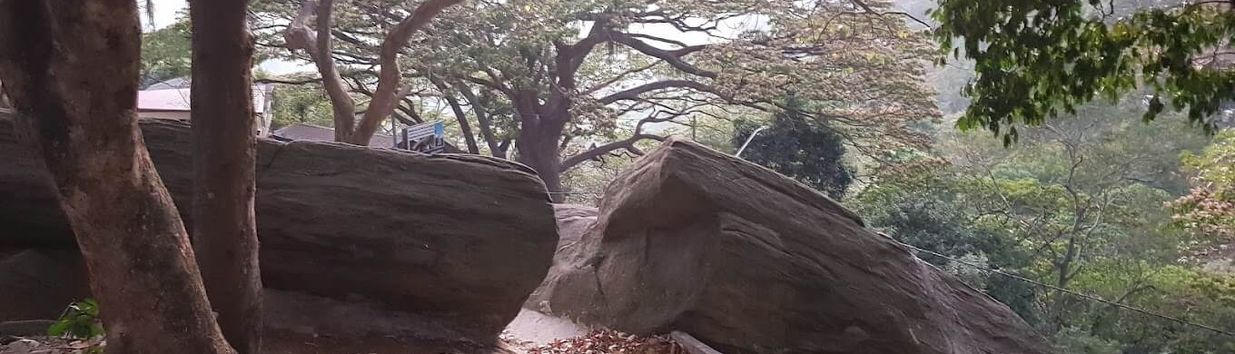
The Kadugannawa Tunnel is a historic railway tunnel situated in the central highlands of Sri Lanka, not far from the bustling city of Kandy. Carved through the rocky heart of the island, it's a testament to the engineering brilliance of the British colonial era. Often enveloped in a mystic mist, the tunnel stands as a gateway to the hill country, where the cooler climes and verdant landscapes embrace all who traverse it.
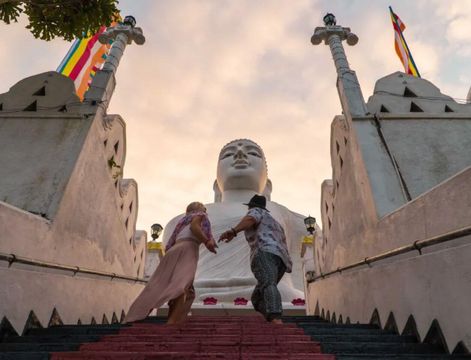
Discover Kandy’s most iconic and Instagram-worthy spots on our Private Kandy Instagram Tour! Visit a tea factory, Temple of the Tooth, Kandy Lake, Big Buddha,...
This remarkable structure forms part of the Main Line, the first railway line in Sri Lanka (then Ceylon), which connected the colonial capital of Colombo with Kandy. The tunnel itself is renowned for its precise engineering and the significant role it played in linking the economic hubs of the island during the 19th and 20th centuries.
The Kadugannawa Tunnel was built during the mid-19th century and is often associated with the engineer responsible for much of Sri Lanka's railway network, William Leech. The Main Line was a major colonial enterprise, aimed at transporting coffee and later tea from the plantations of the central highlands to the ports. Construction of the line was a formidable task, involving the cutting through dense jungle and granite rock.
The tunnel, with its unique horseshoe shape, was completed in the 1860s. The selection of the tunnel's location and its construction methods were significant achievements for that era. Such a project was particularly challenging given the lack of advanced technology available at the time. It represents the determination of the builders to overcome the natural obstacles posed by Sri Lanka's rugged terrain.
While the Main Line was being extended to the city of Kandy, this particular section at Kadugannawa posed one of the toughest challenges for the engineers. The successful completion of the tunnel was, therefore, a milestone in the construction of the railway network, and it remains a potent symbol of the technological advancement of the period.
Kadugannawa Tunnel has more than just an engineering significance. It marked an era of connectivity and modernization in Sri Lanka. The completion of this tunnel and the railway line catalyzed economic growth by allowing goods, especially the lucrative tea and coffee crops, to be transported efficiently to Colombo for export. It played a vital role in shaping the cultural and economic landscape of the nation.
Additionally, the tunnel is a source of national pride, representing the resilience and ambition of past generations. For the local residents, it carries stories from a bygone era and serves as a physical link between the present and the colonial past. Moreover, for the many railway enthusiasts and history buffs, Kadugannawa Tunnel is a key site of interest, showcasing the remarkable legacy of British engineering on the island.
Another significant aspect of Kadugannawa Tunnel's importance is its contribution to the tourism industry. As a historical monument, it stands to educate visitors on the colonial past of Sri Lanka while providing a scenic route for the countless trains that still pass through it daily, offering passengers a visceral connection to the country's history.
Visiting the Kadugannawa Tunnel is often highlighted by the experience of watching trains pass through this historic channel. The sight of these powerful locomotives emerging from within the tunnel's depths against a backdrop of lush greenery is truly captivating. Witnessing this, you can almost feel the pulse of history vibrating through the air, mingling with the sound of the engines.


For those who revel in exploring, there's the opportunity to wander around the area, taking in the grandeur of the surrounding landscape and the engineering magnificence of the tunnel. Savvy visitors often time their visits with train schedules to ensure they can capture photographs as trains punctuate the tranquility of the scenery.
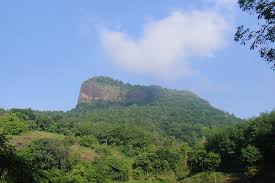
Away from the tunnel, the town of Kadugannawa itself offers other historical landmarks, including the Kadugannawa Pass, where travelers can see a rock cliff known as the "Bible Rock" due to its unique shape. For those interested in colonial military history, the nearby Dawson Tower, erected in memory of Captain William Francis Dawson who was instrumental in constructing the Colombo-Kandy road, is also a point of interest. After a visit to the tunnel, a trip to Kandy - just a short drive away - is a natural next step where one can experience the renowned Temple of the Tooth Relic and enjoy the city's cultural offerings.
| 📌 Address | 7G25+VM5, Old Kandy Road, Kadugannawa, Sri Lanka |
| ⏰ Opening Hours | 8:00 AM - 5:00 PM |
| 💸 Entrance Fee | Free |
The Kadugannawa Tunnel is a significant historical railway tunnel located in Kandy, Sri Lanka. It is known for its architectural and engineering qualities and is a key feature on the railway line between Colombo and Kandy.
The Kadugannawa Tunnel was constructed during the mid-19th century as part of the expansion of the railway network in Sri Lanka under British colonial rule.
The Kadugannawa Tunnel was built by the British colonial government in Sri Lanka, which was then known as Ceylon, with the aid of local and imported labor.
The Kadugannawa Tunnel is an important landmark in Sri Lankan transportation history. It stands as a testament to the engineering achievements of the colonial era and continues to be a part of the functioning railway system in Sri Lanka.
Yes, visitors can travel through the Kadugannawa Tunnel as it is still an active part of the railway line between Colombo and Kandy. Train rides offer an opportunity to experience this historical structure first-hand.