+1 617 404 2125
National Hospital - Kandy




Search


| 📌 Address | William Gopallawa Mawatha, Kandy 20000, Sri Lanka |
| ⏰ Opening Hours | 8:00 AM - 5:00 PM |
| 💸 Entrance Fee | Free |
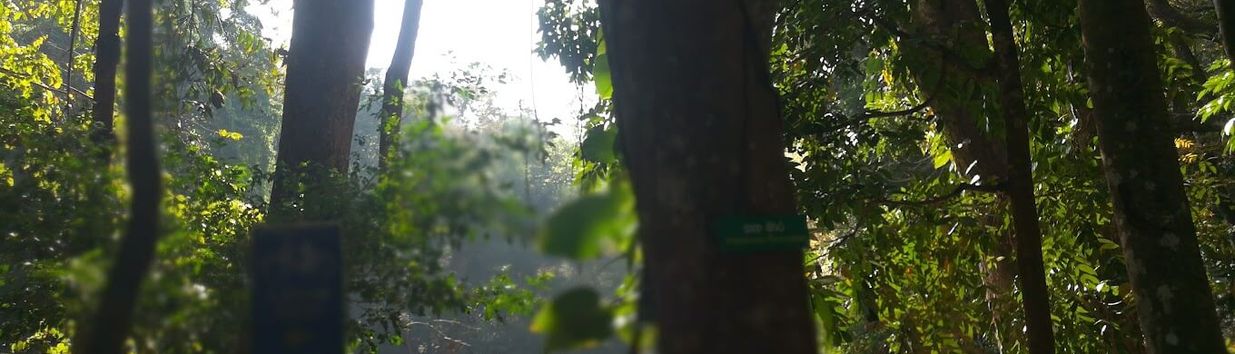
Kandy National Park, also known as the Udawattakele Forest Reserve, is a historic forest reserve on a hill-ridge in the city of Kandy. It is often referred to as the lungs of the city, providing a cooling canopy that drapes over this sacred city. Known for its diverse range of flora and fauna, Udawattakele spans approximately 104 hectares. It's a sanctuary for many species of birds, insects, mammals, and plant life, standing as a haven of natural beauty amidst the urban surroundings.
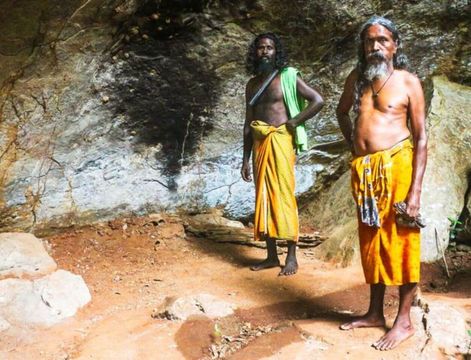
Discover culture and nature on our Private Vedda Aboriginal Village & Mahiyanganaya Temple Tour! Meet Sri Lanka’s last aboriginal tribe, learn traditional hun...
This oasis of greenery includes a variety of nature trails, meditation hermitages, and archaeological and historic sites. It was once the pleasure garden of the Kandyan kings and has retained an air of regality with its lush vegetation and soothing ambience. For nature enthusiasts or those looking to escape the hustle and bustle of city life, Kandy National Park offers a serene retreat.
The history of Kandy National Park is as rich as the biodiversity within its boundaries. Dating back to the era of the Kandyan kingdom, the forest was protected by royal decree. It was considered a forbidden forest (Nadu), where entry without permission was prohinited. Historical records suggest that the park was used as a place of leisure by the kings of Kandy and their consorts; it was a personal sanctuary for the royalty, serving as a hunting ground and filled with secluded paths for walking.
During the British Colonial era, the forest underwent a transformation with the introduction of more exotic species and the establishment of formal paths. The forest was declared a sanctuary in 1938 due to its vast ecological importance. The ancient pond and the Senkanda Cave are just two of the historic sites within the Park that link it unmistakably to Kandy’s royal past.
Kandy National Park is important for several reasons. Biologically, it is a rich repository of endemic species. Its unique ecological environment supports a plethora of species that are native to Sri Lanka, making it an important location for conservation efforts. But the park's significance isn’t just ecological.
It's also an integral part of the cultural and historical tapestry of Kandy. As the royal forest reserve of the last Sinhalese kingdom, it represents a living link to the past, providing insights into how the natural landscape influenced the socio-cultural setting of the historical Kandyan era. Additionally, for the locals of Kandy and visitors alike, it serves as an easily accessible retreat providing physical, mental, and spiritual solace away from the urban sprawl.
On a broader scale, the park contributes significantly to the overall climate regulation within the city of Kandy. It helps to moderate temperatures, ensures fresh air, and it's a crucial catchment area for rainwater feeding the Kandy Lake and nearby waterways, which is vital for the sustainability of the area.
There is no shortage of activities to immerse oneself in at Kandy National Park. Bird watchers will find the park to be a haven with over 80 species of birds, including endemic and migratory varieties. It’s common to spot the Sri Lanka hanging parrot or the Layard's parakeet flitting between the trees. The forest is also home to mammals such as the toque monkey, wild boar, and several species of deer.
For those interested in the historical and archaeological elements, the forest reserve doesn't disappoint. The Garrison Cemetery, within the park boundaries, is a testament to colonial history, where many of the British administrators and their families are laid to rest. Walking along the paths, you might come across the remains of the ancient wall, or an age-old pond or even the cave where ascetics are believed to have lived for meditation purposes.
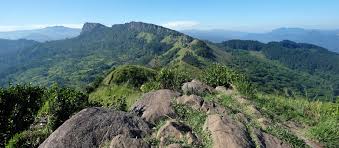
Hiking and trekking through the park's trails can be a rewarding experience, with every path offering a unique perspective of the forest’s ecology. The Kodimale Peak, the highest point in the park, provides panoramic views of the Kandy city. It’s also common for locals and visitors to engage in meditation or yoga, capitalising on the park's tranquil environment. The Senkanda Cave and the Garrison Cemetery are among the sites that add historical depth to any visit.

| 📌 Address | William Gopallawa Mawatha, Kandy 20000, Sri Lanka |
| ⏰ Opening Hours | 8:00 AM - 5:00 PM |
| 💸 Entrance Fee | Free |
Kandy National Park, also known as Udawattakele Forest Reserve, is a historic reserve situated on a hill-ridge in the city of Kandy. It is famous for its extensive avifauna and other wildlife, as well as its significance as a cultural and historic site.
The park is typically open daily from early morning until evening, but it's best to check the latest information on opening hours before planning your visit as they can vary seasonally or during special events.
Yes, guided tours are available and are a great way to learn about the flora, fauna, and history of the park. It's recommended to book these tours in advance.
Visitors can expect to see a variety of wildlife at Kandy National Park, including numerous bird species, mammals like toque macaques and spotted deer, as well as a diverse range of insects and reptiles.
Yes, there is usually an entrance fee for visitors to enter Kandy National Park. The fee may vary for locals and foreigners, and it contributes to the maintenance and conservation of the park.