+1 617 404 2125
Caci Whip Fighting





Search


| 📌 Address | Batu Cermin, Komodo, West Manggarai Regency, East Nusa Tenggara, Indonesia |
| ⏰ Opening Hours | 8:00 AM - 9:00 PM |
| 💸 Entrance Fee | Free |

Caci Whip Fighting is a traditional martial art form that is deeply embedded in the culture of the Manggarai people in Flores Island, Indonesia, which is also the region where Komodo is located. This ritualistic duel is performed during festivals and special occasions and is not merely a display of physical prowess, but also of cultural significance and spiritual beliefs.
The combatants, known as 'Lelong', face off in ornate costumes with masks, shields, and whips. They leap, dance, and strike in a spectacle that is as much about artistry as it is about athleticism. But don't let the elaborate costumes fool you; the lashes are real and the risk is genuine. It is truly a celebration of bravery, skill, and tradition.
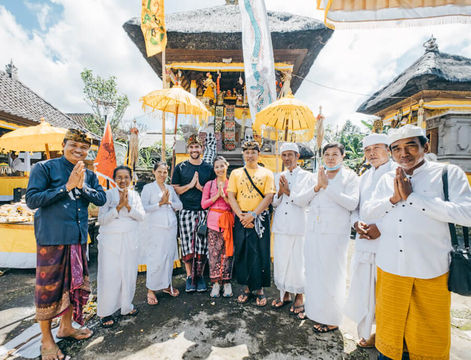
Our Balinese Local Village, Culture & Trekking Experience is one of our best Bali tours that takes you off of the beaten path, perfect if you’re looking to ex...
The origins of Caci Whip Fighting stretch back generations, woven into the fabric of Manggarai society. While the precise beginning of this tradition is shrouded in the mists of time, it's believed that Caci has always served as a means of resolving disputes, proving manhood, and preparing warriors for battle, long before the modern era. The ritual symbolizes the struggle between good and evil, reflecting the community’s worldview and values.
Caci is derived from the Manggarai words 'ca' meaning 'one' and 'ci' meaning 'test'. Thus, Caci can be understood as a test of one’s ability or skill. The practice has been passed down from father to son and remains a vibrant part of local celebrations, especially during the annual Penti festival, which marks the end of the rice harvesting season.
Caci Whip Fighting is important not just as entertainment, but as a living monument to the Manggarai people's heritage. It holds great social significance as it fosters unity and a sense of identity among the community. The ritual serves as a link to the ancestors, honoring traditions while also being a medium of storytelling and moral teaching.
Moreover, Caci represents the spiritual belief in balance and harmony. Participants and spectators alike believe that the ritual promotes peace and prosperity within the community. Caci fights also become a test of character as the duelists exhibit honor, respect, and sportsmanship, regardless of the outcome—which is why the fights, though intense, end with both participants showing mutual respect.
Witnessing a Caci Whip Fighting event is a truly unique experience. You get to see the colorful regalia of the fighters up close, with their intricately woven ikat cloth, decorated belts, and buffalo horn helmets. The air is charged with the rhythmic beats of the Gendang drum, and the crowds cheer with each skilled maneuver and strike.
Visitors can also engage in the festivities, learning about the significance of the different costume elements, the preparation rituals that fighters undergo, and the rules governing the fight itself. Photography enthusiasts will find a wealth of opportunities to capture the dynamic motions, the expressions of the fighters, and the vibrant atmosphere of the event.
One should not miss out on the opportunity to interact with the locals and understand their perspectives on Caci and its role in their daily life. It's not just about the combat; it's about community, culture, and the continuation of a centuries-old tradition. For the best experience, try to visit during the Penti festival when Caci is a major highlight.


| 📌 Address | Batu Cermin, Komodo, West Manggarai Regency, East Nusa Tenggara, Indonesia |
| ⏰ Opening Hours | 8:00 AM - 9:00 PM |
| 💸 Entrance Fee | Free |
Caci Whip Fighting is a traditional martial art and ritual performance from the Manggarai people in Flores, part of the East Nusa Tenggara province in Indonesia, often performed during festive occasions.
Caci Whip Fighting performances can be seen in the Manggarai region of Flores, which is near the Komodo National Park. It's best to check with local tour operators for event dates and locations.
Caci Whip Fighting is a significant cultural practice that symbolizes the fighting spirit and masculinity of the Manggarai people, and it's a way to preserve their cultural heritage and customs.
Tourists are typically spectators of Caci Whip Fighting events, as it requires skill and an understanding of the ritual. Participation is not usually open to visitors.
During a Caci Whip Fighting performance, expect to see two male competitors dressed in traditional costumes engaging in a whip duel, accompanied by music, dance, and cheering crowds.