+1 617 404 2125
Siaba Island




Search


| 📌 Address | Pulau Siaba Besar, Komodo, West Manggarai Regency, East Nusa Tenggara, Indonesia |
| ⏰ Opening Hours | 8:00 AM - 5:00 PM |
| 💸 Entrance Fee | Free |

Siaba Island, nestled in the Flores Sea, is one of the dazzling jewels that make up the Komodo National Park, a renowned UNESCO World Heritage site in Indonesia. This small but magnificent island is known for its pristine waters, abundant marine life, and as a sanctuary for green sea turtles. Often overshadowed by its famous neighbor, Komodo Island, Siaba is a hidden paradise, offering a serene escape into nature's undisturbed beauty.
Its underwater garden is a snorkeler's delight, teeming with corals, manta rays, and vibrant fish species. Above water, Siaba doesn't boast the large dragons its neighbor is famed for, but it compensates with a quiet, rugged landscape that invites contemplation and peaceful exploration. A true gem often kept secret amongst avid travelers, Siaba is the quintessence of tropical allure.

It's easy to see why the Bali Instagram Foodie Experience is one of our most popular Bali tours! Bali has firmly established its place on the foodie's map, and ...
The history of Siaba Island is entwined with the wider narrative of the Komodo National Park. The park was established in 1980 to protect the Komodo dragon, the world's largest lizard, and its habitat. While Siaba doesn't host these giant reptiles, it's integral to the park's broader conservation efforts, particularly for marine life preservation.
Local lore speaks of the island being named after the native 'Siaba' tree, once flourishing on its shores. Over time, Siaba has become an unspoken haven for sea turtles, which come to its shores as a nesting ground. The island's undisturbed environment allows for a thriving aquatic ecosystem, making it a pivotal point for biological diversity within the national park.
Siaba Island holds a vital position within the Komodo National Park for several reasons. Foremost is its role as a sanctuary for green sea turtles. These endangered creatures choose its secluded beaches to lay their eggs, and conservation efforts here are crucial for their survival. The island's commitment to protecting these gentle giants speaks volumes about the ecosystem's health and biodiversity.
Moreover, Siaba's coral reefs are part of the Coral Triangle, known as the "Amazon of the seas." This area has the highest diversity of marine life on Earth, making the island's underwater landscape critically important for marine research and conservation. Siaba Island captures the essence of the park's conservation success and symbolises the harmonious coexistence of humans and nature within this delicate marine environment.
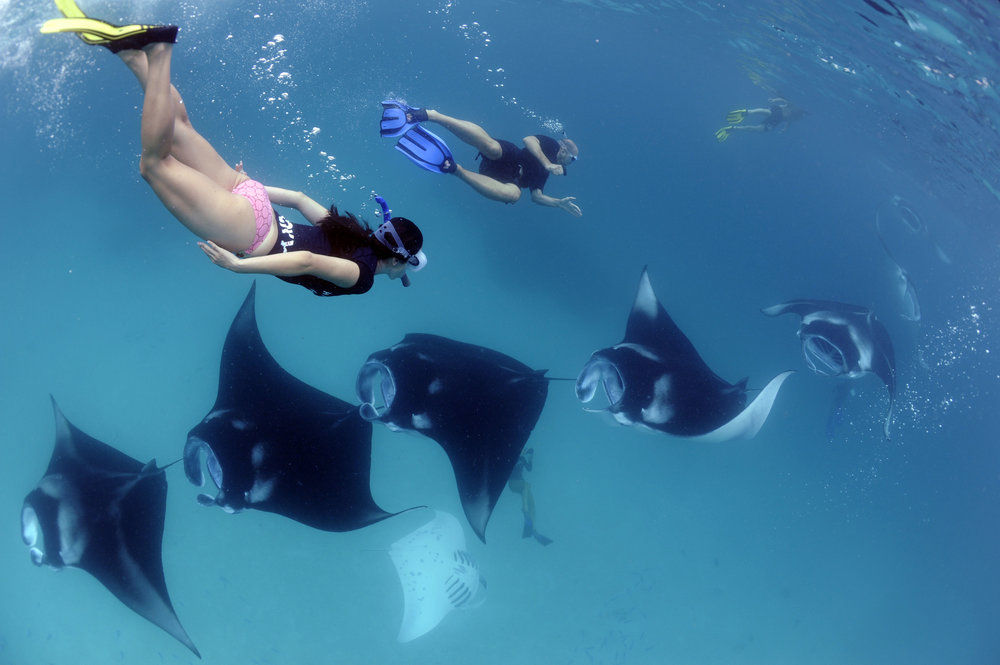
Visiting Siaba Island is a treat for both the soul and the senses. The island's crystal-clear waters offer unparalleled snorkeling and diving experiences. You can float above intricate coral reefs, glide alongside gentle manta rays, and perhaps even encounter a green sea turtle in its natural habitat. The marine spectacle here is second to none and for many visitors, it's an unforgettable encounter with the raw beauty of nature.
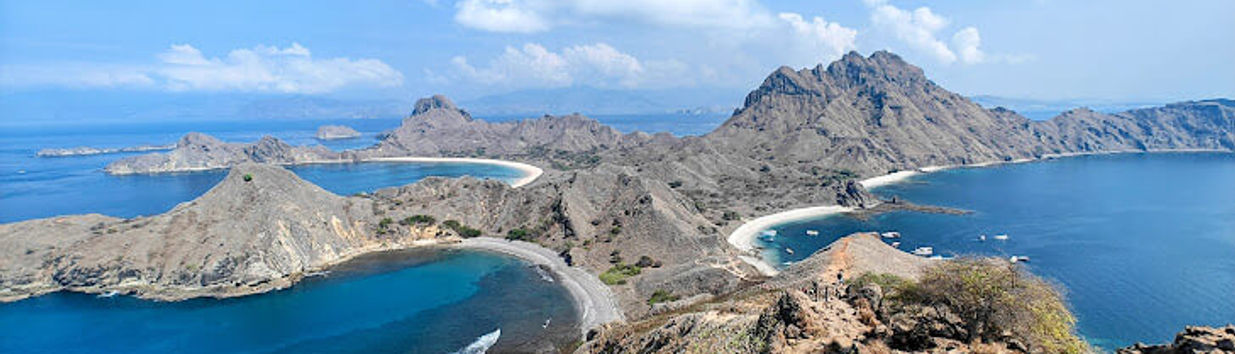
Above the waterline, while the island is not generally conducive to extended treks or hikes due to its rugged and wild nature, it offers spectacular opportunities for photography, with its picturesque azure waters contrasting against the stark dry savannah backdrop. For those seeking peace and quiet, the island's secluded beaches are perfect for sunbathing or simply soaking in the serene ambiance.


| 📌 Address | Pulau Siaba Besar, Komodo, West Manggarai Regency, East Nusa Tenggara, Indonesia |
| ⏰ Opening Hours | 8:00 AM - 5:00 PM |
| 💸 Entrance Fee | Free |
Siaba Island is known for its excellent snorkeling and diving sites, featuring vibrant coral reefs and a diverse range of marine life. It is part of the Komodo National Park in Indonesia, which is also home to the famous Komodo dragons.
To get to Siaba Island, you typically need to take a boat from Labuan Bajo on the island of Flores, which is the main gateway to Komodo National Park. There are various tour operators offering day trips and liveaboard options to explore the park and its islands, including Siaba.
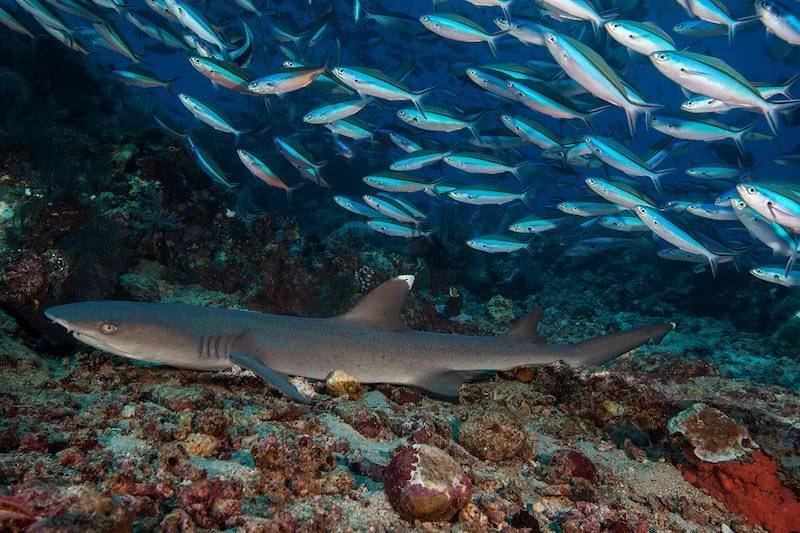
Siaba Island's underwater world is rich with marine biodiversity including a variety of fish species, turtles, manta rays, and sometimes even reef sharks. The coral gardens here are home to both hard and soft corals, making it a popular spot for underwater photography.
Yes, visitors need to obtain a permit to enter Komodo National Park, which includes Siaba Island. Permits can usually be arranged through tour operators or at the Komodo National Park office in Labuan Bajo.
The best time to visit Siaba Island for snorkeling and diving is during the dry season, which runs from April to December. The seas are calmer, and visibility is at its best during this period.