+1 617 404 2125
Komodo National Park




Search


| 📌 Address | Komodo Island, Komodo, West Manggarai Regency, East Nusa Tenggara, Indonesia |
| ⏰ Opening Hours | 8:00 AM - 5:00 PM |
| 💸 Entrance Fee | Varies |

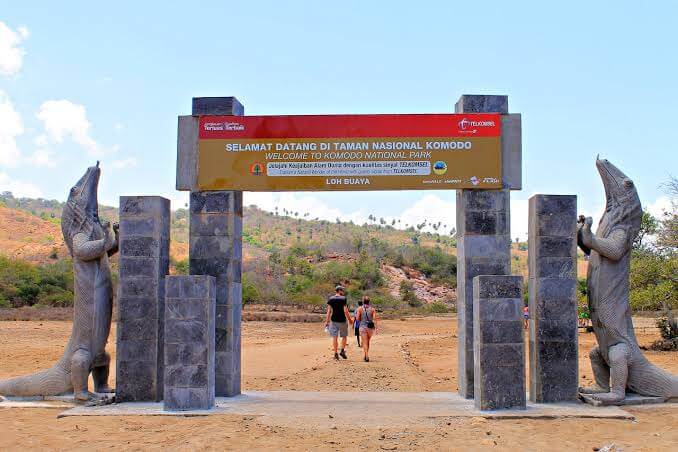
Komodo National Park is a breathtakingly beautiful and unique conservation area located in the center of the Indonesian archipelago, between the islands of Sumbawa and Flores. It is renowned for being the habitat of the world's largest lizard, the Komodo dragon, which is an intriguing species that has roamed the earth for millions of years. Comprising three major islands — Komodo, Rinca, and Padar — and numerous smaller ones, the park offers an array of terrestrial and marine biodiversity that captivates naturalists and adventurers alike.

If you've come to Bali to experience one (or more!) of its luxury spas, this tour is for you. The Bali VIP Ultimate Spa Experience & Tanah Lot Temple Visit is a...
Beyond its dragons, the park also features a rich marine environment, including coral reefs, mangroves, seagrass beds, and semi-enclosed bays. These ecosystems are home to over 1,000 species of fish, some 260 species of reef-building corals, and 70 species of sponges. Dugongs, sharks, manta rays, at least 14 species of whales, dolphins, and sea turtles also make their home in the waters around the Komodo islands.
The park's exceptional natural beauty, both on land and underwater, makes it a significant part of the Coral Triangle, which is often referred to as the "Amazon of the seas". The allure and scientific value of the park are so profound that it was declared a UNESCO World Heritage Site and a Man and Biosphere Reserve.
Komodo National Park has a rich tapestry of history, both ecological and human. The park was founded in 1980 initially to protect the Komodo dragon and its habitat. However, as researchers began to understand the ecological significance of the surrounding marine environment, the park was expanded in 1984 to include the rich aquatic resources.
The discovery of the Komodo dragon itself has a fascinating backstory. The world became aware of these immense lizards in 1910 when Lieutenant van Steyn van Hensbroek of the Dutch colonial administration heard about "land crocodiles" and verified their existence. The scientific community was intrigued, and in 1912, Peter Ouwens, the director of the Zoological Museum at Bogor, Java, published the first formal description of the Komodo dragon.
Throughout the years, the park's management strategies have evolved, guided by ongoing research and a growing understanding of the importance of preserving its terrestrial and marine habitats. Conservation efforts focus on protecting biodiversity, maintaining genetic diversity, and ensuring the sustainable use of natural resources by local communities.
Komodo National Park is a cornerstone of biodiversity and a powerhouse of evolutionary history. Its importance comes from its status as the only place in the world where the Komodo dragon (Varanus komodoensis) can be observed in the wild. This park is vital not only for the continuation of this iconic species but also for the conservation of its diverse habitats and the incredible variety of species that reside within them.
The unique combination of terrestrial and marine habitats has allowed species to thrive and evolve in isolation, providing scientists with invaluable insights into the processes of evolution and natural selection. The park's dynamic environment plays a crucial role in the study of climate change, given its impact on both terrestrial and marine ecosystems.
Moreover, Komodo National Park is critical for the economic well-being and cultural identity of local communities. It contributes to the sustainable livelihoods of the people living around the park by providing opportunities for ecotourism, which employs many locals and helps to preserve indigenous cultures and traditions related to the natural environment.
Visitors to Komodo National Park have a plethora of activities to indulge in and sights to behold. First and foremost, trekking to see the Komodo dragons in their natural habitat is an absolute must. These prehistoric creatures can be found lounging in the sun or patrolling the forest, and the experience is both thrilling and educational.
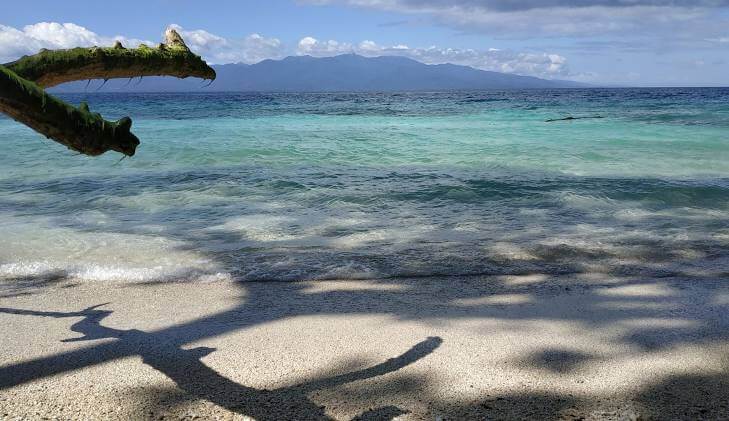
Next, the park's underwater world is a diver's paradise, offering some of the best dive sites in the world. The waters around the Komodo islands teem with marine life, including incredible manta ray encounters at Manta Alley or Batu Bolong, which is an underwater pinnacle teeming with life. For snorkeling enthusiasts, the park's crystal-clear waters provide up-close views of colorful coral gardens and their inhabitants.
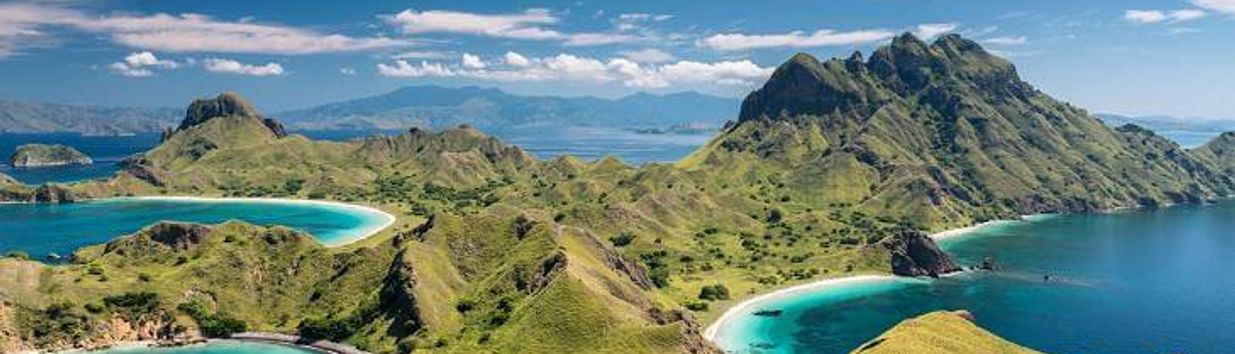
On land, hiking on Padar Island is a favored activity. The hike may be challenging, but the panoramic view of the curving bays and the surrounding seascape from the summit is truly rewarding. For beach lovers, a visit to Pink Beach, named for its distinctively colored sand, is a picturesque spot for relaxation and snorkeling near the shoreline.
Whether you're a nature lover, an adventure seeker, or a conservation enthusiast, Komodo National Park offers an escapade that promises the majestic, untamed beauty of nature combined with the warmth of local hospitality and culture.
| 📌 Address | Komodo Island, Komodo, West Manggarai Regency, East Nusa Tenggara, Indonesia |
| ⏰ Opening Hours | 8:00 AM - 5:00 PM |
| 💸 Entrance Fee | Varies |
Komodo National Park is a national park in Indonesia known for being the habitat of the Komodo dragon, the world's largest living lizard. The park includes a variety of marine and land environments, and it's a UNESCO World Heritage Site.
Komodo National Park can be accessed by boat from the nearby towns of Labuan Bajo on the island of Flores or by flight to Labuan Bajo followed by a short boat trip to the park.
Yes, visitors can see Komodo dragons in their natural habitat at Komodo National Park. Guided tours are available to safely observe these large lizards.
The best time to visit Komodo National Park is during the dry season from April to December when the weather is more suitable for trekking and wildlife watching.
There are no accommodations within the park itself, but visitors can stay in the nearby town of Labuan Bajo or on liveaboard boats that provide multi-day trips around the park and its islands.