+1 617 404 2125
Pink Beach




Search


| 📌 Address | Pink Beach, East Nusa Tenggara, Indonesia |
| ⏰ Opening Hours | 8:00 AM - 5:00 PM |
| 💸 Entrance Fee | IDR 10,000 |

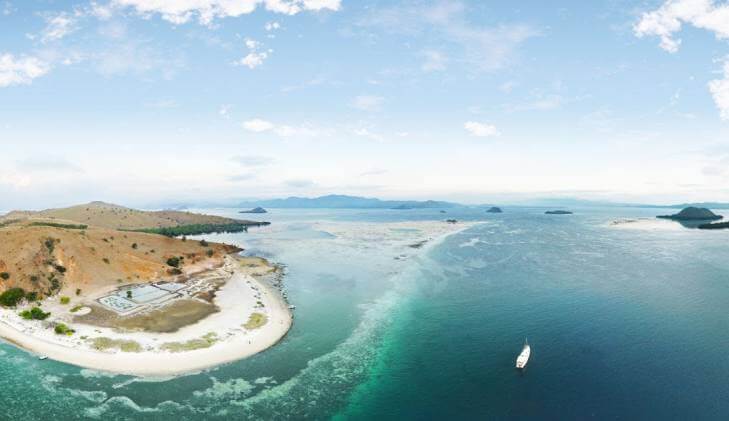
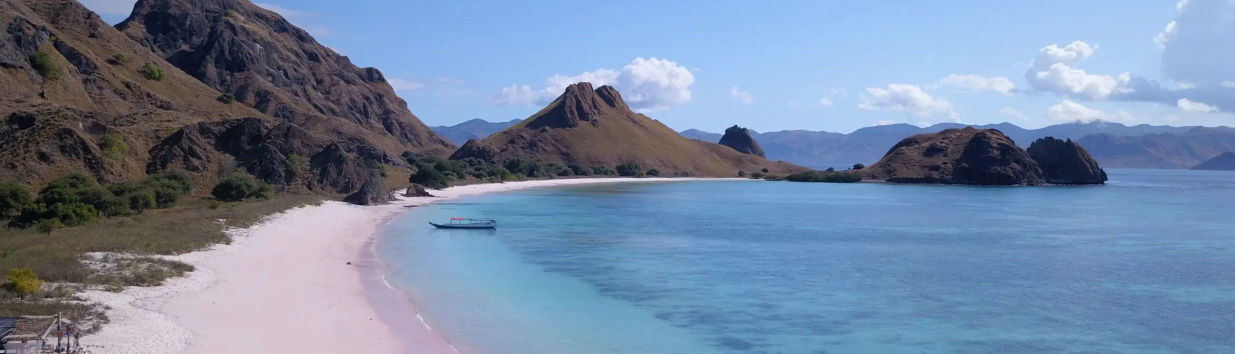
Pink Beach, also known as Pantai Merah, is one of the most beautiful and unique beaches in the world, located on Komodo Island in Indonesia. It's famous for its strikingly pink sand, a natural phenomenon that occurs due to the presence of red coral fragments mixing with white sand. This blush-colored shore fringes the crystal-clear waters that are home to a stunning array of marine life. It's not just another beach; it's a rare and enchanting destination where land and underwater wonders coexist harmoniously.

Our Nusa Penida Private Boat Snorkeling Tour is one of our newest and most anticipated tours in Bali! On this tour in Bali, you'll get to island hop on a privat...
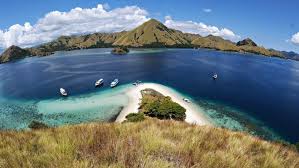
When you set foot on Pink Beach, it's like stepping into a dreamy, cotton-candy landscape that stretches out to the horizon. But the magic isn't limited to the sands alone; the surrounding waters of the Komodo National Park are a snorkeler's paradise, boasting some of the richest marine biodiversity on the planet. It offers an experience unlike any other, where you can sunbathe on rose-tinted sands and then dip into the sea to explore an underwater carnival of coral reefs and fish.
The history of Pink Beach is closely tied to the history of the Komodo National Park, which was established in 1980 to protect the Komodo dragon, the world’s largest living lizard. The beach itself has been formed over countless years, with the red coral (Foraminifera) breaking down and blending with the white sand to give it its distinctive pink hue. Over time, the beach has gained international acclaim, not only for its unique beauty but also because it's part of the habitat that supports the endangered Komodo dragons.
Due to its remote location and relatively recent rise in popularity, the history of human activity on Pink Beach is quite minimal. This has helped in preserving its pristine condition. Efforts by the government and conservation organisations to maintain the natural state of the Komodo National Park have allowed Pink Beach to remain relatively untouched by the heavy footfall of mass tourism.
Pink Beach is important for several reasons, both ecologically and culturally. Ecologically, it is nestled within the Komodo National Park, a UNESCO World Heritage Site that is critically important for the conservation of marine biodiversity. The waters around the beach are teeming with life, including thousands of fish species, coral species, manta rays, and other marine wildlife. The health of these ecosystems is vital to the sustenance of local fishing communities and the overall health of our oceans.
Culturally, Pink Beach is a symbol of the natural beauty that our planet has to offer and serves as a reminder of the wonders that can occur when nature is left to flourish undisturbed. It's an ambassador of Indonesian natural heritage, showcasing the diversity and the ecological richness of this region to the rest of the world. Additionally, the beach contributes to the local economy through eco-tourism, providing livelihoods to many people who work in the tourism sector in and around the Komodo National Park.
Pink Beach isn't just about lounging on the sand; it's an active traveler's haven as well. One of the must-dos here is snorkeling. The clear waters offer visibility for an up-close view of the kaleidoscopic coral reefs and myriads of fish gliding below the surface. For a more immersive experience, consider diving; Pink Beach is in the heart of the Coral Triangle, renowned for some of the best dive sites in the world.
For those who prefer to stay dry, taking a hike up the surrounding hills provides a breathtaking aerial view of the beach and the contrast between the pink shoreline and the azure sea. The island is also a great place for wildlife spotting — not only the famous Komodo dragons but also a variety of birds and other native creatures. Of course, simply relaxing on the unusual pink sands, maybe with a picnic, is an experience in itself, allowing for a serene moment in a busy travel itinerary.


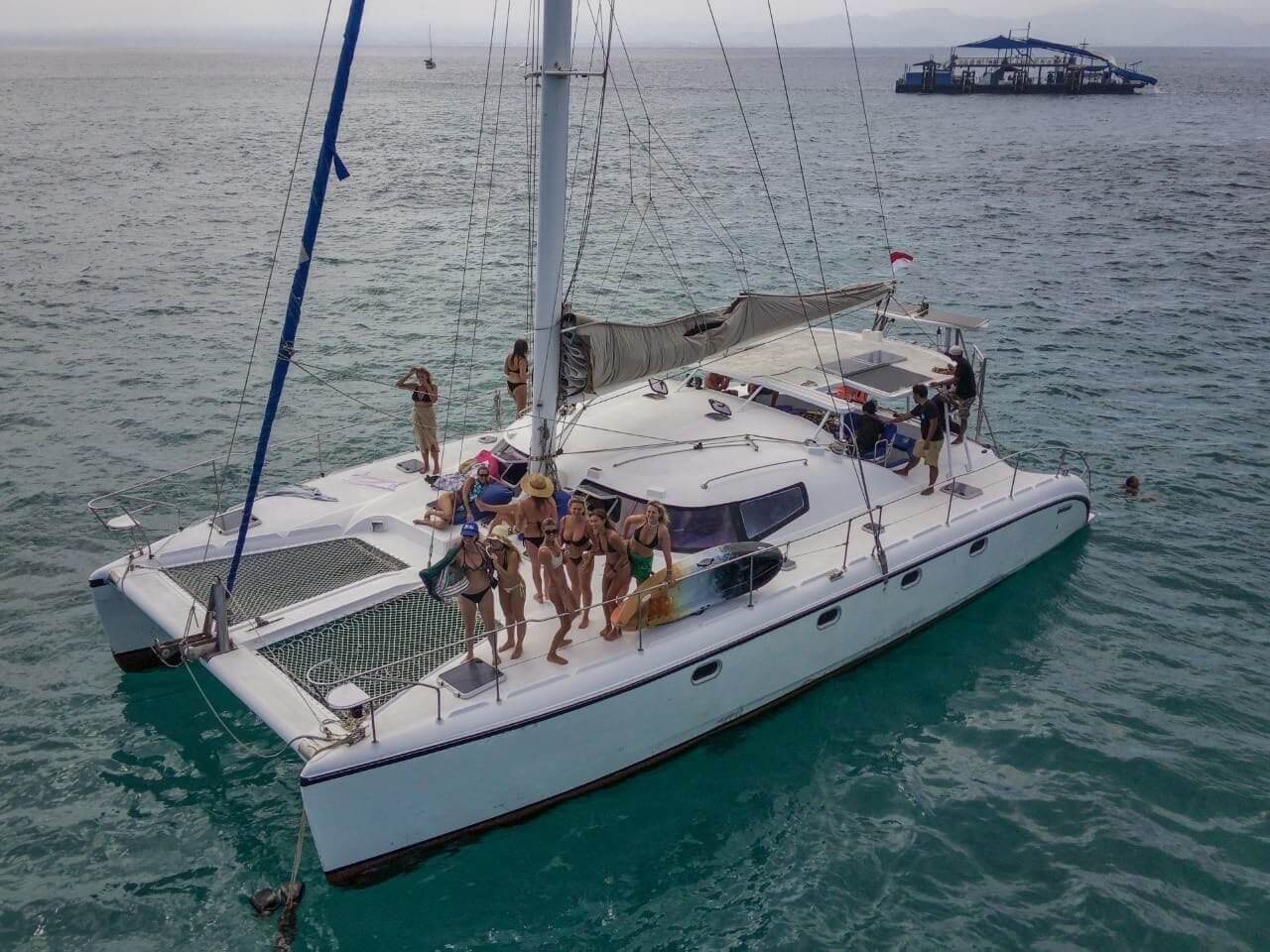
While here, don't miss out on engaging with the local tour operators that often share stories and legends about the island, which you won't find in guidebooks. And, as a beautiful day at Pink Beach comes to a close, watch the sunset; the way it plays with the colors of the sands and the sea is truly a spectacle to behold. Remember to take only photos, leave only footprints, and let this remarkable piece of nature remain as timeless as when you first laid eyes on it.
| 📌 Address | Pink Beach, East Nusa Tenggara, Indonesia |
| ⏰ Opening Hours | 8:00 AM - 5:00 PM |
| 💸 Entrance Fee | IDR 10,000 |
Pink Beach, located in Komodo, is famous for its unique pink sandy shores, which get their color from microscopic organisms called Foraminifera that produce a red pigment on the coral reefs.
To reach Pink Beach, visitors typically take a boat tour from Labuan Bajo, the main gateway to Komodo National Park, which includes stops at various islands, including the island where Pink Beach is located.
Yes, it is generally safe to swim at Pink Beach. However, visitors should always be cautious of strong currents and respect any local warnings. It's also important to avoid disturbing the marine life as the area is part of a national park known for its biodiversity.
Pink Beach is quite remote and facilities are minimal to protect the natural environment. Visitors are advised to bring their own food, water, and necessary supplies, and to take their trash with them when they leave.
While Pink Beach is located within Komodo National Park, Komodo dragons are not typically found lounging on the beach itself. To see the dragons, you would need to visit specific areas of Komodo Island or Rinca Island where they are more commonly spotted.