+1 617 404 2125
Lingko Spider Web Rice Fields




Search


| 📌 Address | C97C+C3W, Meler, Ruteng, Manggarai Regency, East Nusa Tenggara, Indonesia |
| ⏰ Opening Hours | 9:00 AM - 5:00 PM |
| 💸 Entrance Fee | Free |

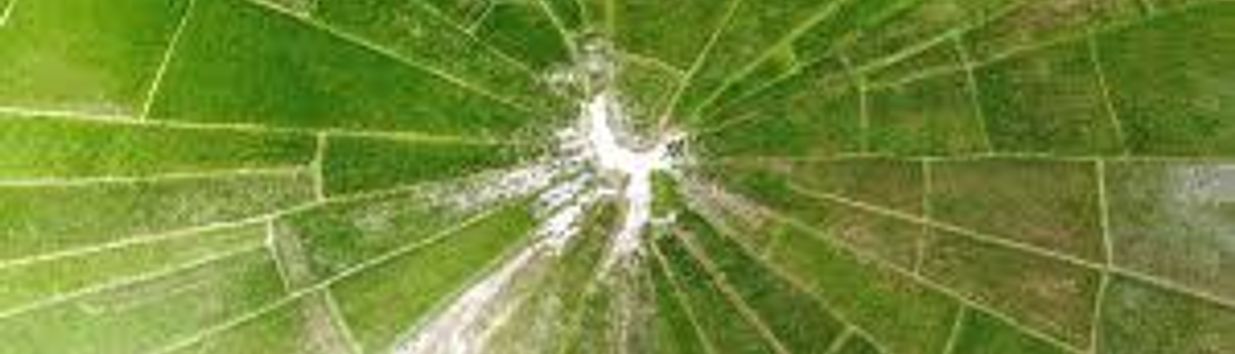
The Spider Rice Fields, known locally as Lingko fields, are an extraordinary marvel of agricultural engineering, resembling giant spider webs from above. These fields are located on the island of Flores near the village of Cancar, which is in close proximity to the more famous Komodo National Park. Known for its unique pattern and circular divisions, the Spider Rice Fields are a testament to the cultural heritage and ingenuity of the indigenous Manggarai people, who have cultivated these lands for centuries. The layout not only optimizes the space for growing crops, but also demonstrates a complex system of sharing and water management that has been passed down through generations.

End your Bali adventure the right way with our Private Bali Airport Drop Off Service! Our friendly, local driver will pick you up directly from your hotel or vi...
Delving into the history of the Spider Rice Fields is like stepping back in time. The Manggarai people developed this clever irrigation and land distribution system, which they refer to as 'Lingko', many generations ago. Traditionally, the fields were allocated from the center point, known as the lodok, to different families within the community, with the size indicating the social status of a family. This form of land division goes beyond mere agriculture—it's an embodiment of the Manggarai's understanding of the cosmos, centering on the concept of the Gae, a ritual house that unites heaven, earth, and the underworld.
The Lingko fields were (and some still are) maintained collectively, with a ritualistic element involved in the planting and harvesting of crops. The form of these rice fields, resembling a spider web, not only allowed for equal distribution of water from the central point, but also reflected the Manggarai's societal structure in which everyone has a place and importance.
The Spider Rice Fields are not just a stunning landscape; they represent a whole cultural philosophy of the Manggarai people. The intricacy of the Lingko fields highlights how the local communities have lived in harmony with the land, respecting its limitations and potentials. Each slice of the 'web' tells a story of collaboration and unity within the community, a reminder in today's fast-paced world of the value of cooperation and tradition.
Furthermore, the Spider Rice Fields are a critical component of the agricultural practices that support the livelihood of the village. As these methods become rarer with the advancement of modern agriculture, the Lingko fields also gain importance as a living museum of ancient farming techniques—a tangible link to the past. They are, in a sense, a cultural treasure, preserving a way of life that is under threat from contemporary pressures.
Because of these unique characteristics, the Spider Rice Fields draw attention from researchers, anthropologists, and curious travelers alike who are interested in sustainable agriculture, community living, and unique cultural landscapes.
When you visit the Spider Rice Fields, the first thing to do is take in the panoramic view. Ideally, find a high vantage point to fully appreciate the intricate pattern of the fields that stretch across the landscape. You could also meander through the footpaths that criss-cross the fields, allowing you to get up close and immerse yourself in this agricultural canvas.
Talking to the local farmers can be enlightening; they may share insights into the traditional methods they still use to maintain the fields and the history behind this communal way of life. For the culturally curious, inquire about the rituals and ceremonies tied to the rice planting and harvesting cycle—you may just be lucky to witness one.
Finding peace while walking amidst the lush greenery is easy, but don't forget to capture this unique topographical phenomenon with your camera—these are shots that are sure to stand out in your travel album. The fields are also a gateway to explore more of Flores. After all, the island boasts an impressive diversity of landscapes, from volcanic mountains to pristine beaches, not to mention the nearby Komodo National Park, home to the famed Komodo dragons.

| 📌 Address | C97C+C3W, Meler, Ruteng, Manggarai Regency, East Nusa Tenggara, Indonesia |
| ⏰ Opening Hours | 9:00 AM - 5:00 PM |
| 💸 Entrance Fee | Free |
The Spider Rice Fields in Komodo are a unique agricultural area where the fields are arranged in a circular pattern resembling a spider web. They are a testament to the region's innovative farming techniques and a popular attraction for their picturesque views.
The Spider Rice Fields got their name due to their distinctive spider web-like pattern. This pattern is created by the way the rice paddies are plotted and separated by irrigation ditches and pathways.
The Spider Rice Fields are located in the Komodo area, which is part of the Lesser Sunda Islands in Indonesia. They are situated in the lush interior regions, away from the coastal areas.
The best time to visit the Spider Rice Fields in Komodo is during the growing season when the paddies are vibrant and green. This typically falls between the months of November to April, during the wet season.
Yes, guided tours are available for visitors wanting to explore the Spider Rice Fields. These tours offer in-depth insights into the local farming practices, culture, and provide opportunities for taking stunning photographs.