+1 617 404 2125
Sasak Village




Search


| 📌 Address | Rembitan, Pujut, Central Lombok Regency, West Nusa Tenggara 83573, Indonesia |
| ⏰ Opening Hours | 3:00 AM - 7:00 PM |
| 💸 Entrance Fee | Free |

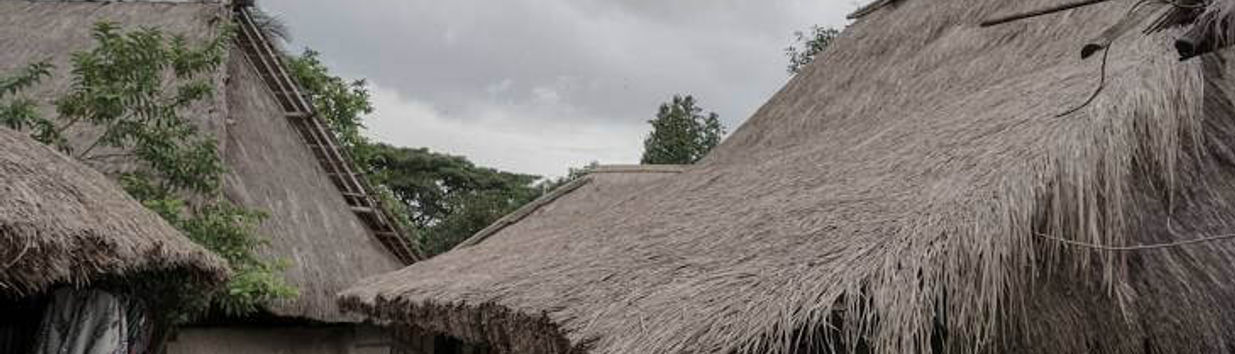
Sasak Village, or Desa Sasak, is not just one place but refers to several traditional villages scattered across the island of Lombok, Indonesia. These villages are the heartlands of the Sasak people, the indigenous ethnic group of the island, who have a rich culture and history deeply intertwined with the land. Each village preserves the unique way of life of the Sasak, marked by their distinctive handwoven textiles, characteristic bamboo and thatch housing, and time-honored customs that have been passed down for generations.
If you have kids to entertain or you're simply an animal lover on a vacation of a lifetime, the Bali Family Adventure is an unmissable experience! Kick off your...
In particular, villages such as Sade and Ende are amongst the most famous for visitors who wish to immerse themselves in the genuine Sasak experience. These villages stand almost as living museums, where the rhythms of daily life continue as they have for centuries. I often advise visitors to tread lightly and respectfully, as the Sasak Villages are not mere tourist attractions but homes to a proud community with a deep spiritual connection to their surroundings.
The history of the Sasak people and their villages stretches back for over a thousand years, deeply intertwined with the broader history of Lombok and the Nusantara region. The Sasak are believed to be the descendants of the first migrants who crossed over from neighboring regions, forming a unique culture influenced by Hindu-Buddhist, Islamic, and indigenous animistic beliefs. This rich tapestry of influences is evident in the architecture, crafts, and rituals found throughout Sasak villages.
Historically, the Sasak lived under a feudal system ruled by princes and chieftains who respected their subjects' connection to the land. While the colonial era brought many changes, including periods of Dutch rule, the Sasak held fast to their traditions. In the 20th century, the villages began greeting visitors, becoming a significant aspect of Lombok's cultural tourism. They’ve managed to strike a balance between opening up to the world while preserving the essence of their heritage.
As someone who's witnessed the evolution of these communities, I see that the continuity of their traditional practices, from rice farming to weaving, has stood as a testament to their resilience and ingenuity. It's a living history, a story that each elder in the village can add their own chapter to with personal anecdotes and inherited wisdom.
Sasak Village is important for several reasons, not least because it provides a vital link to the island of Lombok’s past. It is a bastion of traditional Sasak culture, preserving the architectural styles, crafts, and daily living patterns that are fast becoming rare in the modern world. More than just preserving the past, these villages help perpetuate the knowledge and skills by passing them to new generations.
For visitors, Sasak Village offers an unrivaled cultural experience – an opportunity to see a way of life that is harmonious with nature and fundamentally different from modern city living. The importance of the village also lies in its role in the local economy, as the tourism it draws helps provide a sustainable income for the villagers. This is crucial in the context of Lombok's development, where balancing economic growth with cultural preservation is essential.
Additionally, the Sasak Village is vital in promoting cultural understanding and diversity. By opening their doors to the world, the Sasak people offer us a chance to learn and appreciate a culture that values community, tradition, and a sustainable lifestyle. They also showcase ingenious architectural techniques, such as the use of bamboo and buffalo dung, which have practical applications and serve as models for eco-friendly construction.
The Sasak Village offers a multitude of experiences for visitors, with each activity providing a window into the soul of Sasak culture. One can witness the intricate process of weaving Songket, a hand-woven textile that is highly cherished and often used for special occasions. Touring the traditional homes, with their distinctive alang-alang roofs and bamboo structures, is an architectural journey in itself.

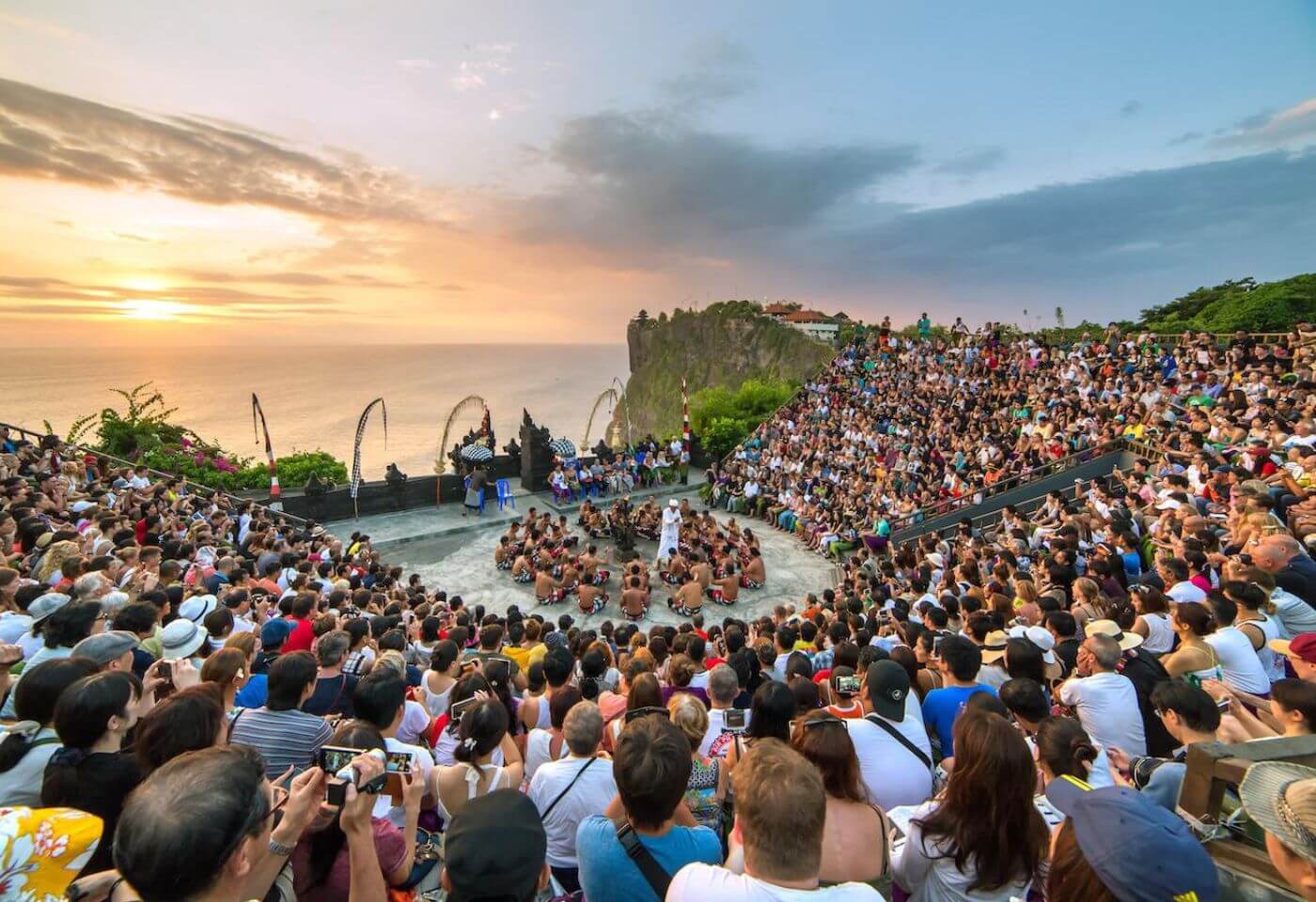
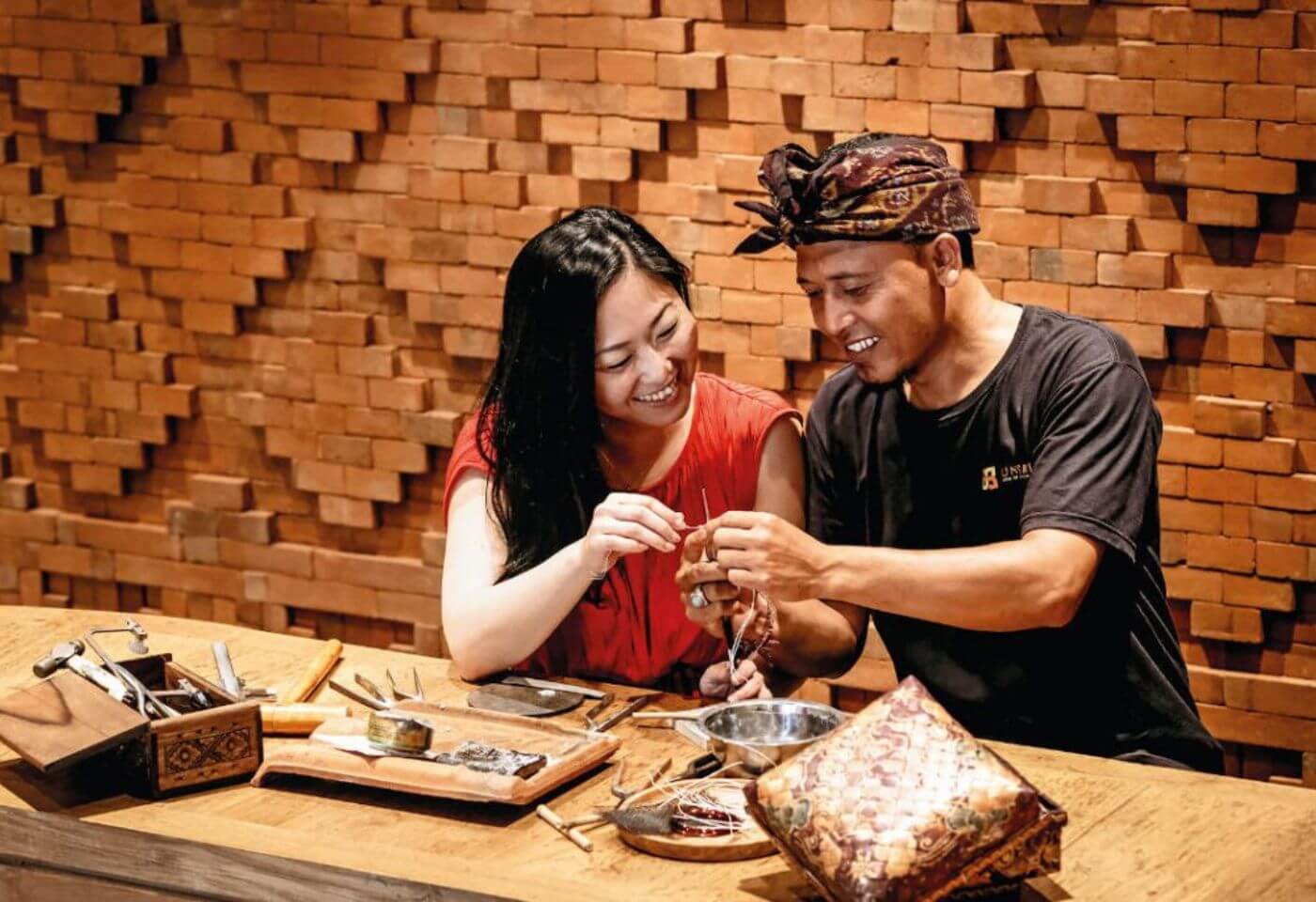
Visiting a Sasak Village, you'll likely be invited to participate in daily routines such as rice pounding and harvesting, which are central to the agrarian lifestyle of the Sasak. These experiences bring you closer to understanding the significance of rice in Sasak culture, not just as a staple food but also as a symbol of life and prosperity. You might also have the opportunity to sample local cuisine, famed for its bold spices and flavors exclusive to the island.
For the musically inclined, Sasak music and dance performances are a treat, characterized by the use of native instruments such as the gendang and the mesmerising movements of traditional dances. Many villages also have marketplaces where you can purchase local handicrafts, which make for meaningful souvenirs and support the village economy. It's a delightful way to bring home a piece of Sasak lifestyle and artistry.
| 📌 Address | Rembitan, Pujut, Central Lombok Regency, West Nusa Tenggara 83573, Indonesia |
| ⏰ Opening Hours | 3:00 AM - 7:00 PM |
| 💸 Entrance Fee | Free |
Sasak Village, also known as Desa Sasak, is a traditional village in Lombok, Indonesia, that showcases the daily life and culture of the indigenous Sasak people.
Sasak Village is located on the island of Lombok in the West Nusa Tenggara province of Indonesia, offering visitors a glimpse into the heritage of the Sasak tribe.
Visitors to Sasak Village can expect to see traditional Sasak houses, observe locals weaving textiles, learn about their customs and way of life, and may have the opportunity to purchase handmade crafts.
There is typically a small entrance fee for tourists visiting Sasak Village to help maintain the site and contribute to the local economy, but the exact amount can vary.
The best times to visit Sasak Village are during the early morning or late afternoon when the weather is cooler and the light is ideal for photography, and to avoid the midday heat.