+1 617 404 2125
Similan Islands National Park




Search


| 📌 Address | MJ4X+XH2, Lam Kaen, Thai Mueang District, Phang Nga 82210, Thailand |
| ⏰ Opening Hours | 8:00 AM - 5:00 PM |
| 💸 Entrance Fee | Free |

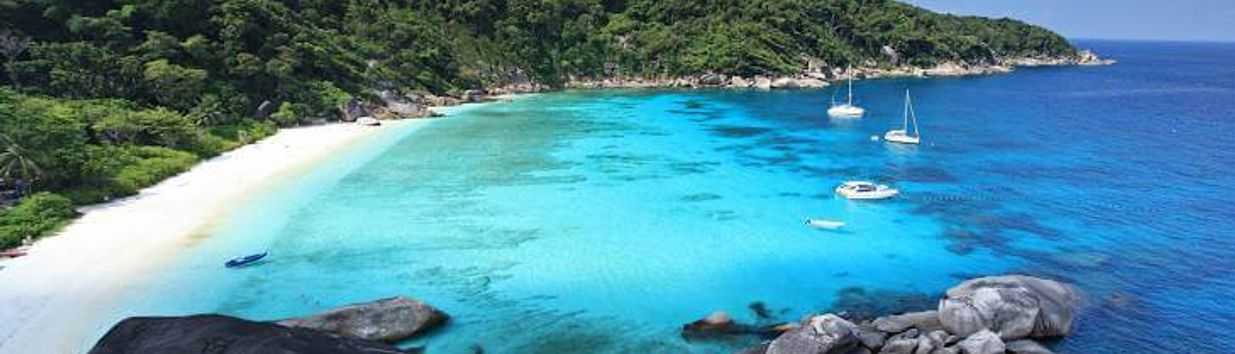
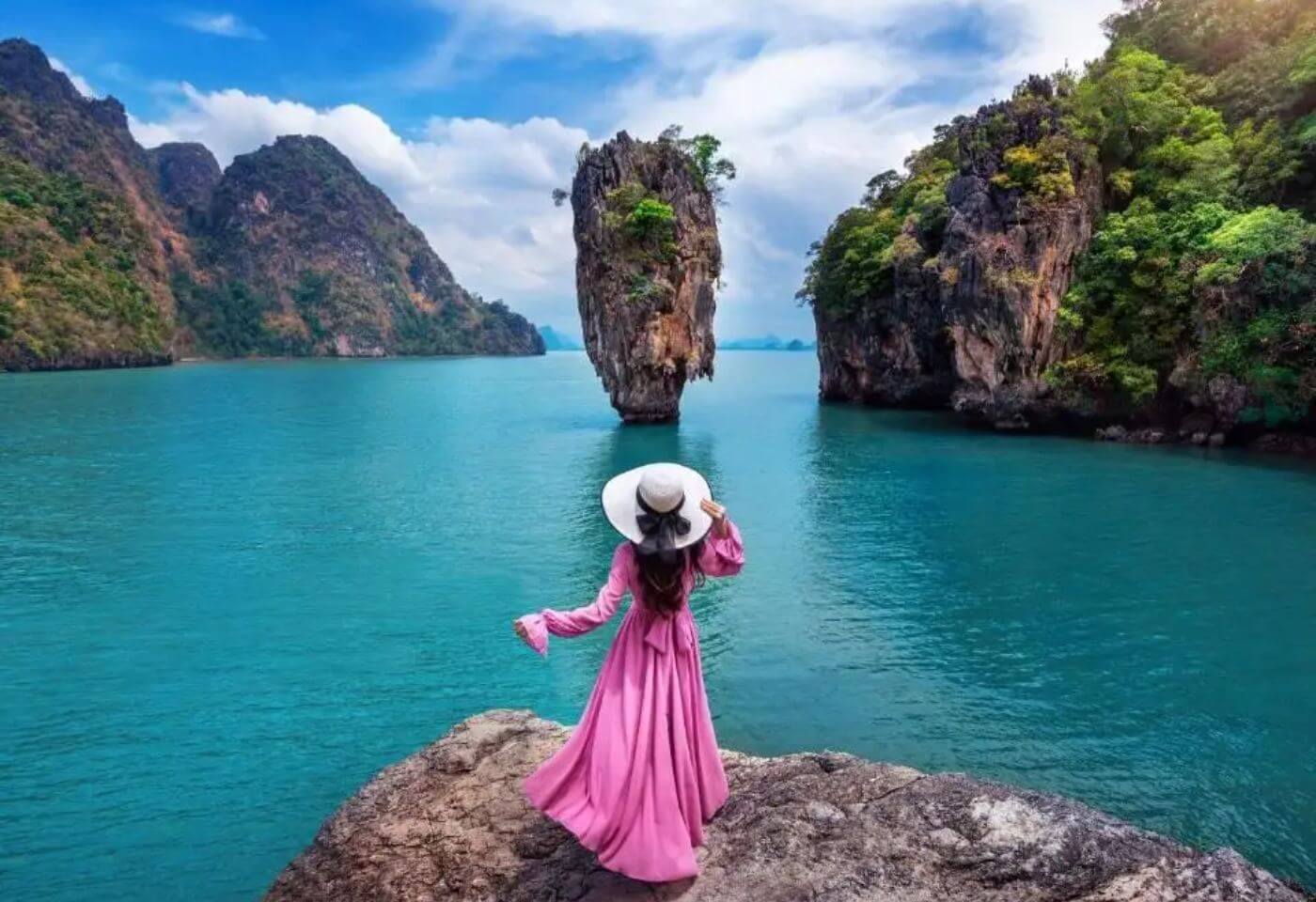
Imagine turquoise waters, powdery white sand beaches, and an aquatic wonderland teeming with vibrant marine life. That's Similan Islands National Park for you, a majestic group of islands in the Andaman Sea, off the coast of Southern Thailand. Far more than just a picturesque spot, the Similan Islands are known for some of the best diving and snorkeling experiences in the world, thanks to their stunning coral reefs and a diverse array of sea creatures.
Life along Bangkok’s rivers is important to Thai culture. With our Legendary Long Tail Boat Tour, you’ll get to witness life on the Chao Phraya River. You...
The park consists of 11 islands, with Koh Similan being the largest and most visited. The word 'Similan' comes from the Malay word 'sembilan,' meaning 'nine,' which was the original number of islands when the park was established. Over time, two more islands were included in the national park. The islands are numbered 1 through to 11, and this numerical system is often used instead of their Thai names.
The isolation of these islands contributes to their pristine condition. They attract not only divers and snorkelers but also eco-tourists and nature lovers who seek to immerse themselves in the unspoiled beauty of the park's terrestrial landscapes.
The Similan Islands were declared a national park in 1982, a move that was pivotal in preserving its unique ecosystems both above and below the water. Before gaining this protected status, the islands were visited by Moken sea nomads, also known as 'chao leh' or 'sea gypsies,' who would temporarily settle on the islands during their journey across the Andaman Sea.
The establishment of the park was driven by the need to guard against overfishing and the destruction of coral reefs, which were beginning to suffer from human activities. Since then, the park has been meticulously managed, with efforts to balance tourism and conservation. Indeed, the Thai government periodically closes access to the islands to give the environment time to recover from tourism impacts—an uncommon but vital approach.
As a travel enthusiast delving into every corner of the islands, I've come across remnants of the past: ancient sea turtle nesting sites and subtle signs of earlier human visits, which are a testament to the islands' long-standing role as a refuge for both wildlife and wanderers.
The importance of Similan Islands National Park is manifold. Ecologically, it is a sanctuary for a multitude of species, both marine and terrestrial. The islands' coral reefs are considered among the most well-preserved in the world, playing a critical role in the biodiversity of the Andaman Sea. You have a veritable underwater museum showcasing an incredible array of colorful fish, manta rays, sea turtles, and even whale sharks.
Moreover, the park is an essential research area for scientists studying marine biology and tropical ecology. Many NGOs and international organizations work in collaboration with the Thai government to monitor and maintain the health of these ecosystems.
For the local communities, the park is a source of sustainable tourism revenue. While fishing and other extractive activities are restricted, the focus on eco-friendly tourism helps to support local economies. This symbiotic relationship between preservation and the local way of life underscores the true essence of the park's importance.
The Similan Islands offer a treasure trove of experiences for the adventurous spirit. Scuba diving here is an absolute must, with sites like Elephant Head Rock and Christmas Point boasting intricate landscapes of swim-throughs and giant boulders. Of course, let's not forget the vibrant coral gardens, where you might be lucky enough to swim amongst gentle giant manta rays.

If you prefer to stay above the water, snorkeling is just as rewarding. The shallow reefs are alive with parrotfish, clownfish, and if you observe carefully, you may spot an elusive octopus or moray eel. On the islands themselves, hiking trails lead you through thick jungle to viewpoints that afford you panoramic views of the Andaman Sea's jewel-like waters.
When visiting Similan Islands National Park, it's important to remember that it's a protected area. As stewards of this spectacular corner of the world, we must all do our part to minimize our footprint, whether by taking our trash back with us or by respecting wildlife and natural habitats. That way, this magnificent national park can continue to be enjoyed for generations to come.
| 📌 Address | MJ4X+XH2, Lam Kaen, Thai Mueang District, Phang Nga 82210, Thailand |
| ⏰ Opening Hours | 8:00 AM - 5:00 PM |
| 💸 Entrance Fee | Free |
Similan Islands National Park is a marine national park in the Andaman Sea, off the coast of the Phang Nga Province in Thailand. It is known for crystal-clear waters, diverse wildlife, including vibrant coral reefs, and is a popular spot for diving and snorkeling.
To get to the Similan Islands from Phi Phi, you can take a ferry or speedboat to Phuket or Khao Lak and then book a Similan Islands tour, which typically includes round-trip transportation to the islands.
Visitors can enjoy a range of activities such as snorkeling, scuba diving, sunbathing, island-hopping, bird watching, and photography, as well as taking guided tours to explore the rich marine life and beautiful landscapes.
The best time to visit Similan Islands National Park is during the dry season from November to April when the weather is ideal for marine activities. The park is usually closed to visitors during the monsoon season from May to October for ecological recovery.
There are limited accommodations available on the Similan Islands, such as camping and bungalows managed by the national park. Visitors should book in advance due to the limited number of spots and the islands' popularity. Alternatively, many tourists choose to stay on the nearby mainland and visit the islands on day trips.